
Aman-Style Villas vs Independent Luxury Estates: Key Differences
In the upper latitudes of luxury, the distinction between one beautiful villa and another is rarely about thread counts or pool lengths. It is about philosophy. On one side sit the so-called “Aman-style” villas—properties shaped by a brand’s design language, operational choreography and cultural narrative. On the other side stand independent luxury estates—sovereign homes that express the owner’s vision without needing a hospitality flag to validate them. Together they form two parallel universes within UHNW travel and residential investment, and understanding the difference is increasingly valuable for buyers, brokers and operators alike.
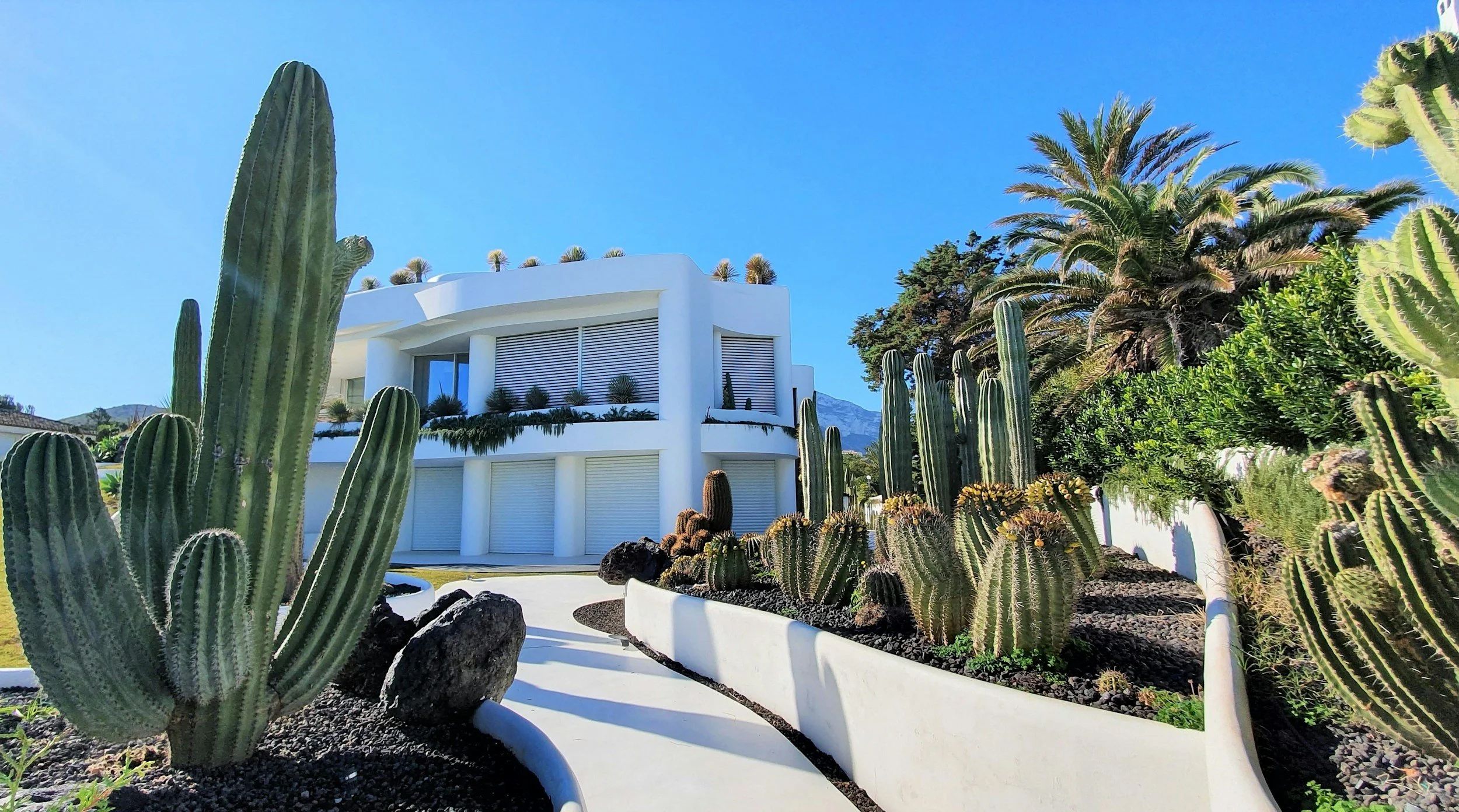
Aman-style villas are precision instruments. They are aligned with a brand ethos that prizes stillness, sensory harmony and architectural restraint. Everything is intentional, measured and tuned to an aesthetic frequency: pared-back palettes, natural materials, controlled light, discreet staff circulation, rituals of arrival and wellness. The villa is not just a structure but an extension of a hospitality ecosystem. It comes with the safety net of five-star operations—concierge, maintenance, culinary talent, wellness practitioners and security—all delivered with a near-monastic respect for privacy. The result is an experience that feels near-weightless: no errands, no logistics, no social noise. For UHNW travellers who crave frictionless escapism, this model offers an uninterrupted flow from airport runway to private sanctuary.
Independent luxury estates, by contrast, are expressions of personality. They can be exuberant or minimalist, dramatic or understated, coastal or hillside, sprawling or tightly curated. They do not subscribe to a singular brand philosophy because they are not trying to. Their power lies in ownership—literal ownership for primary and secondary homeowners, and emotional ownership for renters who want to inhabit a space that feels like a private world rather than a hotel extension. These estates are not defined by uniformity but by individuality. The chef might be a local culinary secret rather than a branded import. The landscape might be wilder. The architecture might be bolder, more personal, even eccentric. And the experience might feel less “service performed” and more “life unfolding.”
The operational differences are just as revealing. In an Aman-style villa, the service apparatus is invisible yet omnipresent. There are standards, training programs, SOPs and quality controls that ensure predictability—very high predictability. In independent estates, the service layer is bespoke but varied. Sometimes it is staffed at hotel levels, sometimes it is curated by a villa manager with deep local knowledge and relationships. For some UHNW guests and buyers, this variance is precisely the charm. For others, it is a risk they prefer not to take. The property world is learning that privacy alone is not enough; what matters is the guest’s tolerance for operational improvisation.
Design philosophy provides another point of divergence. Aman-style villas follow a disciplined architectural language—quiet horizons, honest materials, indoor-outdoor balance, spa-like bathrooms, and a reverence for view corridors. The brand becomes the aesthetic. Independent estates have no such guardrails. They might draw from contemporary Balinese influences, Tuscan romance, avant-garde Japanese minimalism or pure modernist glass boxes. Designers and owners chase emotional impact rather than consistency. This is why independent estates often photograph more dramatically—they are allowed to surprise. Aman-style villas soothe.
From an investment standpoint, the conversation becomes even more nuanced. Branded villas have global trust baked into them. They often achieve stronger rental occupancy and higher nightly rates because their reputation removes uncertainty. For UHNW buyers who appreciate hospitality support, branded stock is compelling because it represents passive enjoyment: show up, live, leave. Independent estates, however, carry a different form of value—architectural uniqueness, land size, scarcity, customization potential, privacy buffers and legacy positioning. They appeal to those who see real estate as identity and heritage, not just experience.
So which is “better”? The answer, as always at the top of the market, depends on intention. If the goal is sanctuary without logistics, Aman-style villas excel. If the goal is expression, scale, individuality or legacy, independent estates are unmatched. Ultra-luxury living today is no longer defined by what is provided, but by what is chosen. And UHNW buyers are increasingly fluent in both dialects: the brand-led serenity of curated hospitality, and the sovereign freedom of private estates that answer only to their owners.
The future of the market will not pit these two models against each other. Instead, it will see them coexist, cross-pollinate and elevate expectations across the board. The branded villa proves that luxury can feel weightless. The independent estate proves that luxury can feel personal. And the discerning traveller—or buyer—knows there is a time and place for both.
If you are interested in complimentary advice, you can contact James https://jamesnightingall.com/contact