
Boutique Luxury Hotels vs Big Brand Five Star Chains Which Provides a Better Experience
For discerning travellers, luxury is no longer defined solely by thread count, marble bathrooms or international brand recognition. Instead, the question increasingly asked is whether a boutique luxury hotel or a global five star chain delivers the superior experience.
Both models promise excellence, yet they approach hospitality from fundamentally different philosophies. Understanding these differences is essential for travellers who value not just comfort, but character, recognition and meaningful experiences.
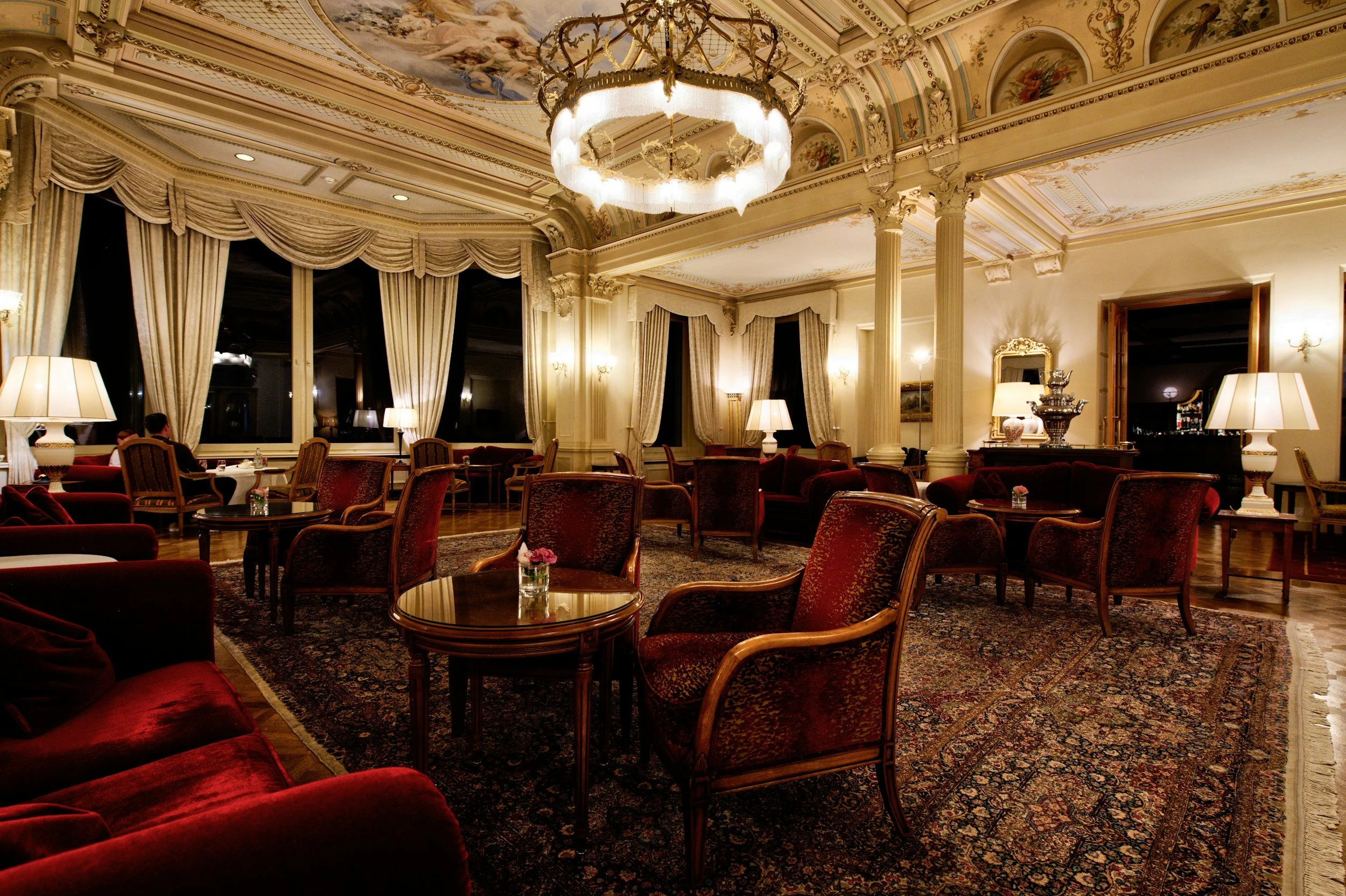
According to hospitality research from STR Global and Virtuoso, traveller preference at the high end has begun to fragment, with luxury guests choosing properties based on experience alignment rather than brand loyalty alone.
This comparison explores boutique luxury hotels versus big brand five star chains to determine which truly provides the better experience.
Defining the Two Luxury Models
Boutique Luxury Hotels
Boutique luxury hotels are typically smaller, independently operated or part of curated collections. They emphasise individuality, design narrative and local immersion.
Key characteristics include:
Limited number of rooms or suites
Distinctive architecture or heritage setting
Highly personalised service
Strong sense of place and cultural connection
Owner or curator driven vision
Luxury here is intimate, expressive and experiential.
Big Brand Five Star Chains
Global five star hotel brands focus on consistency, scale and operational excellence. They are often chosen for reliability, global footprint and comprehensive facilities.
Core characteristics include:
Large properties with extensive amenities
Standardised service protocols
Strong loyalty programme integration
Multiple dining and wellness outlets
Global recognition and trust
Luxury here is predictable, polished and efficient.
Service Experience Personal Recognition vs Operational Precision
Service is where the difference becomes most apparent.
Boutique hotels excel in personal recognition. Staff often remember guest preferences quickly, adjust service intuitively and operate without rigid scripts. Guests frequently feel known rather than processed.
Five star chains deliver operational precision. Service is exceptionally trained, efficient and consistent across locations. However, recognition can feel tier based rather than personal, often dependent on loyalty status.
According to Virtuoso traveller insight, high end guests increasingly value genuine recognition over procedural excellence.
Design and Atmosphere Character vs Consistency
Boutique luxury hotels are often chosen for atmosphere. Design tells a story, whether rooted in heritage, art or contemporary expression. No two properties feel alike.
Global chains prioritise consistency. While beautifully designed, interiors often follow brand language. This reassures travellers but can feel interchangeable across destinations.
For travellers seeking emotional connection, boutique properties tend to resonate more strongly.
Location and Sense of Place
Boutique hotels often occupy historic buildings, quiet neighbourhoods or architecturally significant sites. Their location is part of the experience.
Five star chains frequently secure prime central plots or resort scale land, offering commanding views and proximity to key attractions.
The difference lies in immersion versus dominance. Boutique hotels integrate into their environment. Chains often define it.
Dining and Culinary Identity
Boutique luxury hotels typically feature one standout restaurant with a clear culinary identity, often led by a known chef or rooted in regional cuisine.
Five star chains offer variety. Multiple restaurants, lounges and bars provide choice, though menus may be adapted to international tastes.
Travellers prioritising culinary storytelling often prefer boutique properties, while those seeking convenience and range favour large brands.
Privacy and Guest Density
Smaller boutique hotels naturally offer lower guest density. Public spaces feel calm and exclusive, even at full occupancy.
Large five star properties can feel busy, especially in resort settings or during peak seasons. Privacy exists but is often structured through private lounges, villa categories or elite floors.
For travellers seeking quiet luxury, boutique hotels usually hold the advantage.
Facilities and Amenities
Five star chains dominate in this area.
They typically offer:
Full scale spas
Extensive fitness facilities
Large pools and beach access
Business services and event spaces
Multiple dining venues
Boutique hotels prioritise experience over scale. Amenities are curated rather than comprehensive.
Travellers who value choice and convenience may prefer chain properties, while those focused on atmosphere accept fewer facilities in exchange for intimacy.
Loyalty and Added Value
Global chains excel in loyalty benefits. Elite status can unlock upgrades, late departures and recognition across hundreds of properties worldwide.
Boutique hotels rely less on points and more on direct value. Benefits may include personalised experiences, flexible service and unique moments rather than formal rewards.
STR Global data indicates that loyalty drives repeat stays within chains, while boutique hotels rely on emotional loyalty and word of mouth.
Which Provides the Better Experience
The answer depends on how luxury is defined by the traveller.
Boutique luxury hotels are better for:
Travellers seeking individuality and character
Those who value personal recognition
Guests wanting cultural immersion
Quiet escapes and intimate environments
Big brand five star chains are better for:
Travellers who value consistency and reliability
Frequent international travellers using loyalty benefits
Those who prioritise extensive amenities
Large resorts or business focused stays
Neither model is superior in absolute terms. They serve different interpretations of luxury.
The Emerging Hybrid Trend
Interestingly, the market is moving toward convergence.
Luxury brands are launching smaller lifestyle properties that mimic boutique intimacy, while boutique collections are expanding globally with shared standards.
According to Savills and hospitality sector commentary, the future of luxury travel lies in combining operational excellence with emotional resonance.
Final Thought
Luxury today is no longer one size fits all. The best experience is not determined by size or brand, but by alignment with the traveller’s expectations.
Boutique luxury hotels offer depth, character and personal connection. Big brand five star chains offer reliability, scale and seamless execution.
The most sophisticated travellers choose intentionally, selecting the model that enhances the purpose of their journey.
In modern luxury travel, the better experience is the one that feels designed specifically for you.
If you are interested in complimentary advice, you can contact James https://jamesnightingall.com/contact