
Branded Residences and Aman Influence: Redefining Ultra-Prime Living
The global rise of branded residences is closely tied to a shift in ultra-luxury expectations—away from ownership alone and toward fully managed, service-led living environments. Among all hospitality brands, Aman has had a particularly strong influence on how these residences are conceived, designed and operated.
This influence is not always direct. It is often philosophical, shaping how developers think about privacy, space and service at the highest level.
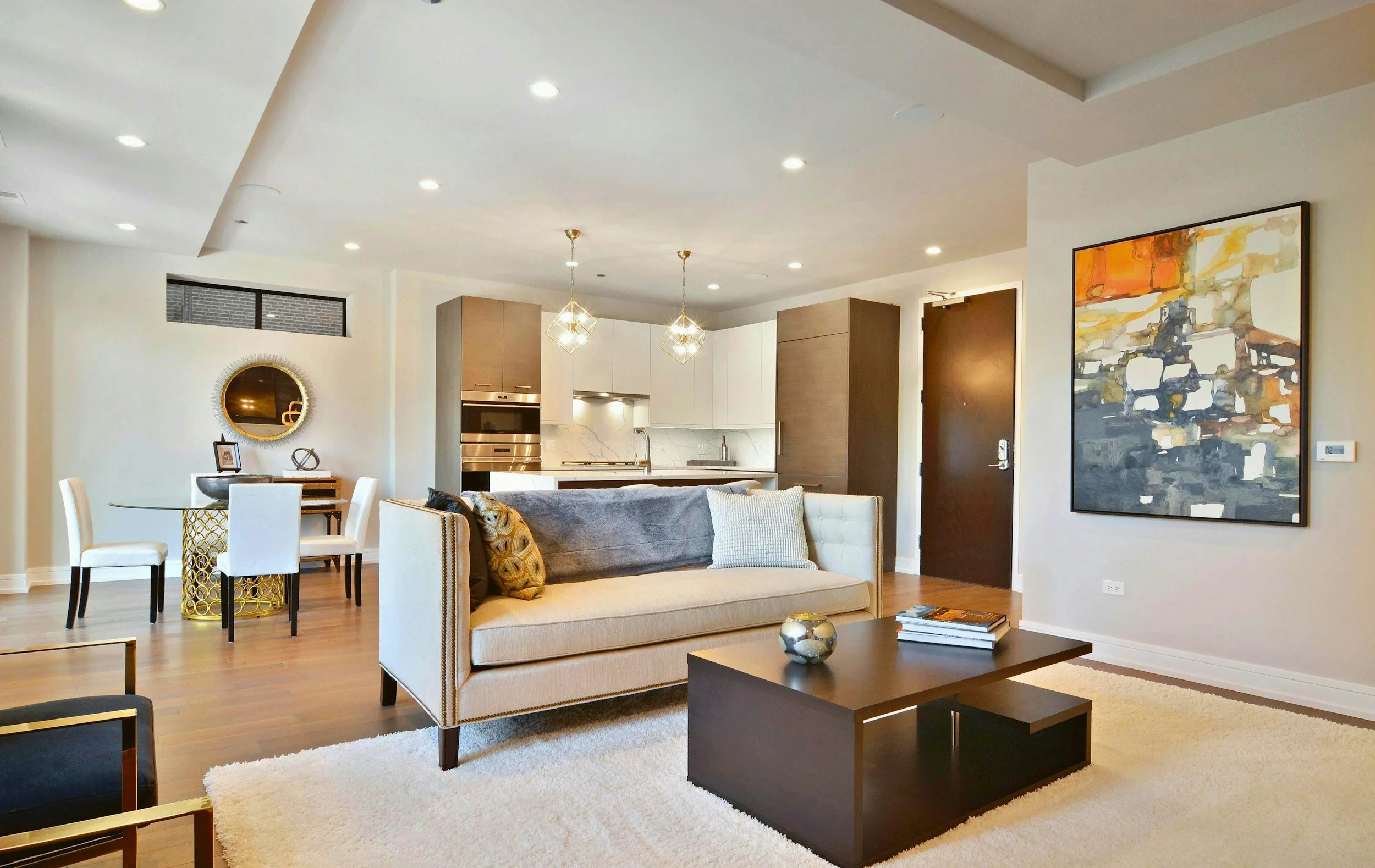
The Evolution of Branded Residences
Branded residences originated as an extension of luxury hotels, offering buyers:
Access to hotel services and amenities
Association with a globally recognised brand
Turnkey ownership with minimal management
Developments such as The OWO Residences by Raffles and Mandarin Oriental Mayfair Residences reflect this model, combining hospitality infrastructure with private ownership.
However, early branded residences often prioritised visibility and amenities over privacy.
Aman’s Distinct Philosophy
Aman operates on a fundamentally different model from traditional luxury hospitality.
At properties such as Aman Tokyo and Amanyara, the focus is on:
Low-density environments
Minimalist, design-led spaces
Invisible, anticipatory service
Complete control over guest experience
This approach redefines luxury as absence of friction rather than presence of features.
How Aman Influenced Branded Residences
Shift Toward Privacy-Led Design
Modern branded residences increasingly prioritise:
Fewer units per building
Private lift access and controlled circulation
Reduced visibility within shared spaces
This reflects Aman’s emphasis on discretion over scale.
Reduction of Overprogrammed Amenities
Earlier developments often competed by adding more facilities.
Post-Aman influence, there is a shift toward:
Curated, high-quality amenities
Less reliance on large shared spaces
Greater focus on in-residence experiences
Luxury is now defined by precision rather than quantity.
Service as Invisible Infrastructure
Aman’s service model—where staff are present but unobtrusive—has reshaped expectations.
Branded residences now aim to deliver:
Seamless service without visible operational activity
Anticipatory, personalised interactions
Minimal disruption to resident privacy
Service becomes embedded rather than performed.
Integration of Architecture and Environment
Aman properties are known for integrating architecture with surroundings.
This has influenced residential design through:
Use of natural materials and restrained palettes
Emphasis on light, space and proportion
Seamless indoor-outdoor transitions where possible
Developments are increasingly designed to feel calm and controlled, rather than visually dominant.
The London Context
In Prime Central London, Aman’s influence is visible even in developments not directly associated with the brand.
Projects such as 60 Curzon demonstrate:
Boutique scale and low density
Design-led interiors with minimalism
Focus on privacy and long-term residential use
While not branded by Aman, these developments reflect a similar design and lifestyle philosophy.
From Hotel Experience to Residential Expectation
Aman has effectively raised the baseline for what UHNW buyers expect from residential property.
Key expectations now include:
Controlled environments with minimal exposure
High levels of personalisation
Seamless integration of service and space
Consistency across global locations
This has accelerated the convergence between hospitality and residential real estate.
Pricing and Positioning Impact
Developments influenced by Aman’s philosophy often command:
Higher premiums for low-density layouts
Increased demand for privacy-driven features
Strong appeal among experienced UHNW buyers
Value is increasingly linked to quality of experience rather than scale of offering.
The Future of Branded Residences
The next phase of branded residences is likely to move further toward:
Smaller, more exclusive developments
Greater emphasis on privacy and control
Reduced visibility of both service and residents
Integration of wellness and environmental design
Aman’s influence will continue to shape this direction, even where it is not explicitly present.
Conclusion
Aman has redefined what ultra-luxury means—not through scale or visibility, but through restraint, precision and control.
This philosophy has had a profound impact on branded residences globally, shifting the focus from amenity-driven living to experience-driven environments.
In Prime Central London and beyond, the most successful developments are those that adopt these principles—creating residences that feel less like buildings and more like private, fully controlled ecosystems aligned with the expectations of ultra high net worth buyers.
If you are interested in complimentary advice, you can contact James https://jamesnightingall.com/contact