
First Class vs Private Jet Is Flying Private Worth the Extra Cost
For affluent travellers based in London, the choice between first class commercial travel and a private jet charter is no longer purely about luxury. It is about time, privacy, flexibility, and control. While first class cabins have evolved into refined experiences, private aviation operates in a different realm entirely.
The question many high net worth individuals ask is not whether flying private is better, but whether it is worth the additional cost. The answer depends on how value is defined.
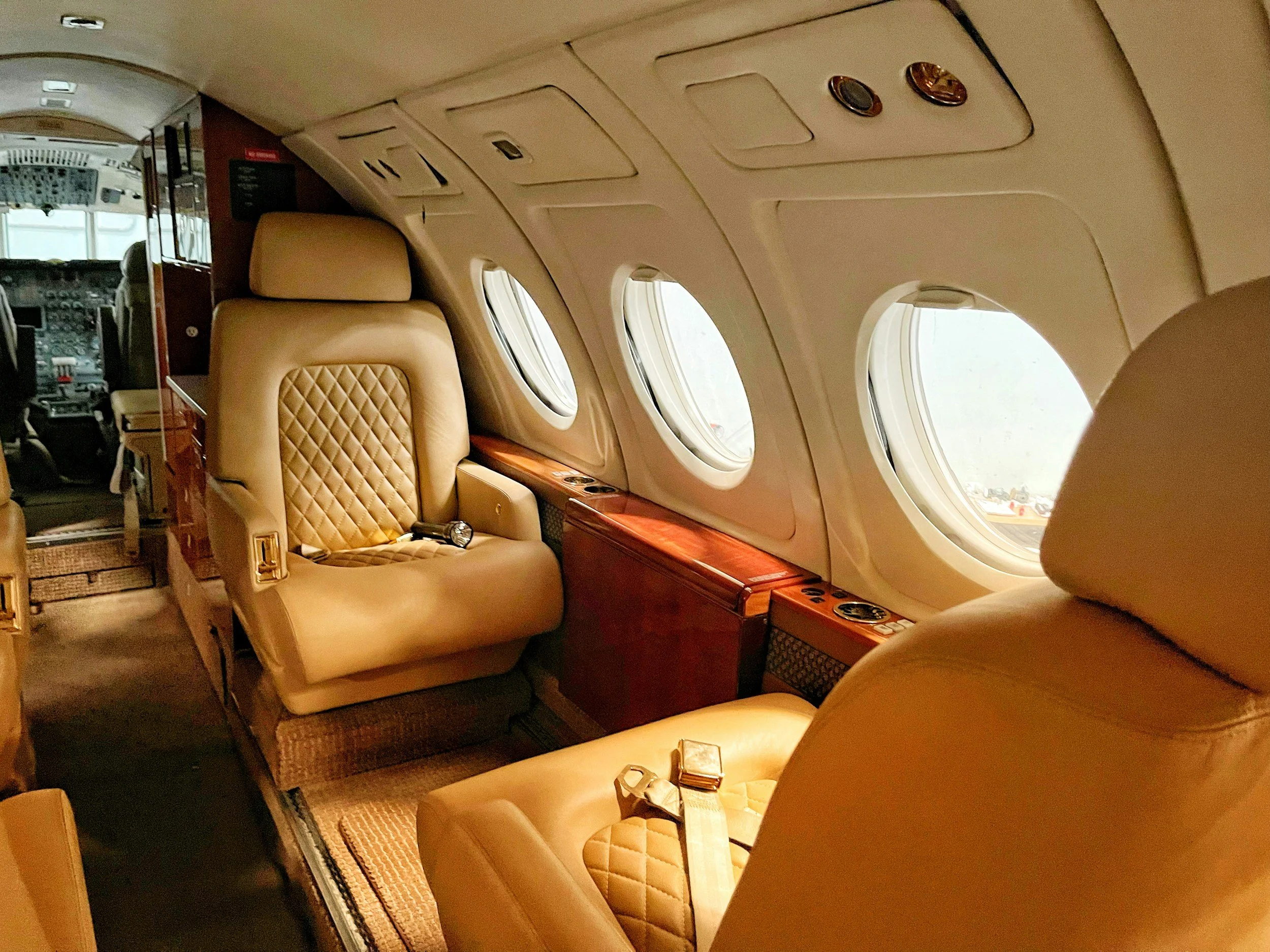
Cost Comparison First Class vs Private Jet
A return first class ticket from London to New York typically ranges between £6,000 and £10,000 depending on season and airline. Ultra long haul routes such as London to Singapore or Sydney can exceed £12,000 per seat.
In contrast, chartering a long range private jet for the same London to New York journey may cost between £80,000 and £120,000 for the aircraft, regardless of whether one passenger is onboard or eight.
According to industry data published by PrivateFly and the European Business Aviation Association, private jet charter costs average between £4,500 and £6,000 per flight hour for long range aircraft. This places private aviation firmly in a different pricing category, but cost alone does not tell the full story.
Time Efficiency The Real Luxury Currency
Time is the single greatest differentiator between first class and private aviation.
Private jet passengers avoid commercial terminals entirely. Flights depart from private aviation terminals with minimal security delays, often allowing arrival as little as fifteen minutes before departure. Landing flexibility also allows access to smaller airports closer to final destinations.
According to EBAA operational studies, private aviation can reduce total journey time by up to 40 percent on multi stop or long haul itineraries. For business leaders, this time saved often outweighs the additional financial outlay.
Privacy and Control
First class cabins offer exclusivity but not isolation. Fellow passengers, cabin crew rotation, and fixed schedules remain part of the experience.
Private jets provide complete discretion. Passenger lists are controlled, cabins are private, and conversations remain confidential. For family offices, high profile individuals, and executives managing sensitive negotiations, this level of privacy is non negotiable.
Aircraft interiors can also be configured to suit personal needs, from meeting layouts to sleeping quarters, something no commercial airline can replicate.
Flexibility of Itinerary
Commercial first class travel requires passengers to conform to airline schedules, routing limitations, and airport availability.
Private aviation reverses this dynamic. The aircraft adapts to the passenger.
Last minute changes, multi city routes, remote destinations, and flexible departure times are standard. According to data from WingX Advance, over 70 percent of private jet journeys involve routes or timings not served by scheduled airlines.
This flexibility is particularly valuable for travellers managing multiple properties, investments, or international commitments.
Comfort and Consistency
While first class offers excellent service, consistency varies between airlines and aircraft types.
Private jets deliver a controlled environment. Cabins are quieter, seating converts fully into beds without restriction, and onboard service is tailored to personal preference. Catering, cabin temperature, lighting, and even scent can be customised.
For long haul travel, especially when arriving for business or property viewings, the ability to arrive rested and focused carries tangible value.
Environmental and Regulatory Considerations
Private aviation faces increasing scrutiny around environmental impact. In the UK, Air Passenger Duty applies to private flights and is expected to rise for long haul journeys from 2027, according to HM Treasury announcements.
However, industry data from the International Business Aviation Council indicates growing adoption of sustainable aviation fuel and carbon offset programmes within private aviation. While costs are higher, environmental responsibility is becoming part of the luxury proposition.
Is Flying Private Worth the Extra Cost
For leisure travellers flying solo, first class remains a highly comfortable and financially sensible option.
For families, groups, business leaders, and individuals whose time and privacy hold significant monetary value, private aviation often delivers a stronger return despite higher upfront costs.
The decision ultimately mirrors choices seen in luxury real estate. It is not about square footage alone, but location, discretion, and lifestyle alignment.
For those accustomed to control, efficiency, and bespoke service, flying private is not an upgrade from first class. It is a different philosophy of travel altogether.
If you are interested in complimentary advice, you can contact James https://jamesnightingall.com/contact