
Historic Luxury Hotels Worth Visiting for Their Legacy From Ritz Paris to Raffles
Some hotels are places to stay. Others are places where history has unfolded, reputations were forged and culture quietly evolved within gilded walls. Historic luxury hotels belong to the latter category. They are living institutions, shaped by decades or centuries of diplomacy, literature, fashion, royalty and power.
For discerning travellers, staying in a historic hotel is not about nostalgia alone. It is about inhabiting a legacy that continues to define global luxury hospitality today.
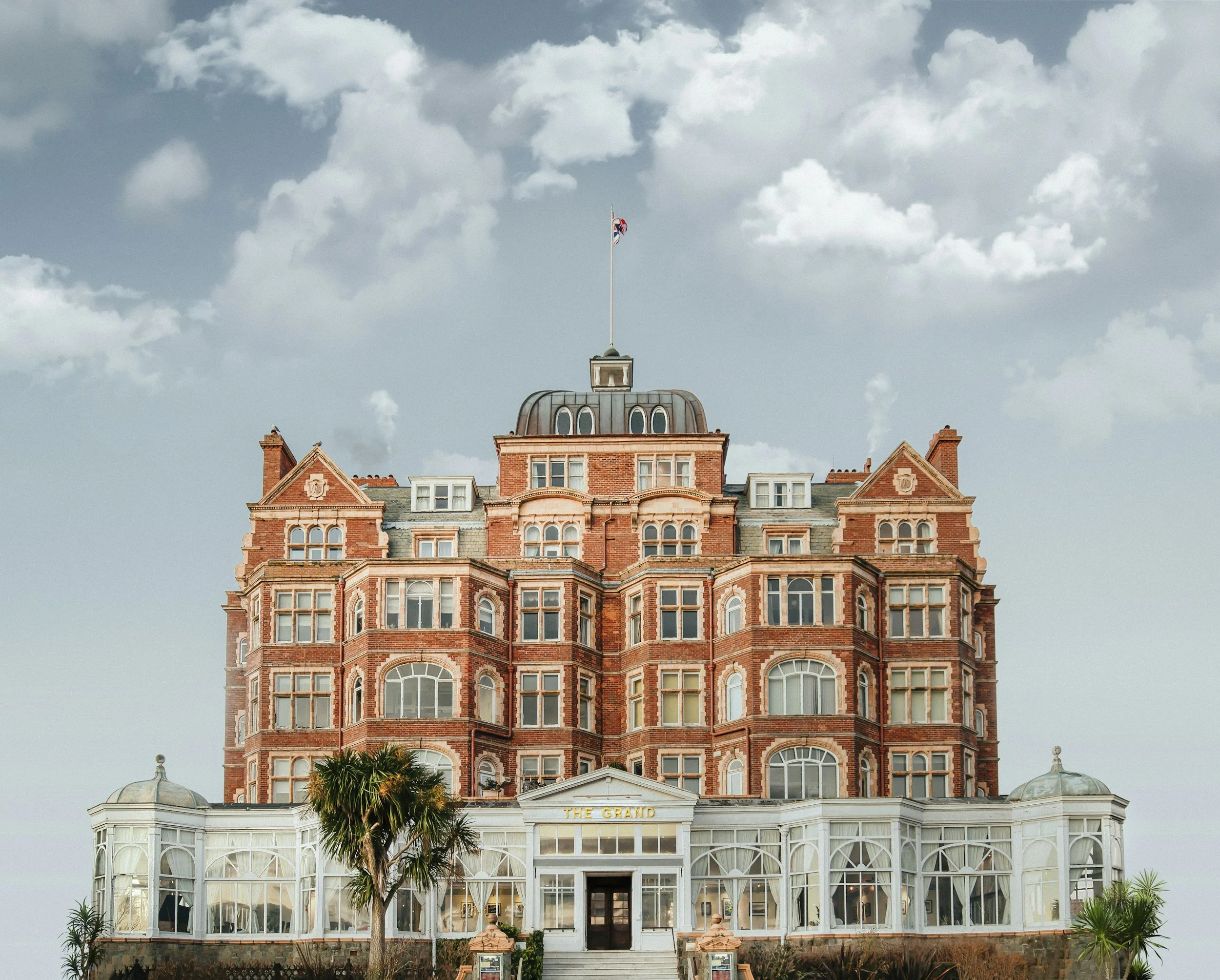
According to research and commentary from Savills Hotels and Virtuoso, heritage properties remain among the most emotionally resonant and commercially resilient assets in the luxury hotel market, precisely because they offer what new builds cannot replicate: narrative depth.
Here are some of the most historic luxury hotels in the world worth visiting for their legacy, where the past still shapes the present.
The Ritz Paris France
Few hotels are as synonymous with luxury as the Ritz Paris. Opened in 1898, it set standards that continue to define five star hospitality today. The hotel pioneered private bathrooms, electric lighting and personal service at a time when such comforts were revolutionary.
Its guest list reads like a cultural archive, including Coco Chanel, Ernest Hemingway and European royalty. Even after meticulous restoration, the Ritz retains an unmistakable sense of continuity.
Why its legacy endures
Birthplace of modern luxury hospitality
Deep connection to fashion and literary history
Atmosphere shaped by elegance rather than spectacle
Staying here feels less like a visit and more like stepping into a chapter of European cultural history.
Raffles Singapore
Raffles is not simply a hotel. It is a national landmark. Founded in 1887, it became the social heart of colonial era Singapore and remains one of the most recognisable hospitality icons in the world.
The hotel is celebrated for its gracious service, grand courtyards and association with literary figures and global travellers. Its restoration preserved the spirit of the original while adapting discreetly to modern expectations.
What defines its legacy
Symbol of Asian grand hotel tradition
Timeless service rituals maintained across generations
Cultural role beyond hospitality
Raffles embodies the idea that heritage can feel both dignified and alive.
Claridges London
Claridges has long been known as the unofficial palace of London society. Since the nineteenth century, it has hosted royalty, diplomats and cultural leaders, shaping the social fabric of the city.
What makes Claridges exceptional is its ability to evolve without losing identity. Art Deco influences, impeccable service and understated confidence define its atmosphere.
Why it matters
Deeply embedded in London social history
Consistent reinvention without dilution of character
A benchmark for discreet British luxury
Claridges demonstrates how heritage and relevance can coexist effortlessly.
Hotel de Paris Monte Carlo
Since 1864, this hotel has been inseparable from the glamour of Monte Carlo. Overlooking the Casino Square, it has hosted royalty, financiers and celebrities through eras of European elegance.
The hotel’s legacy lies in its association with excess refined by precision. Even after extensive renovation, its identity remains anchored in grandeur.
Defining qualities
Central role in Monaco’s cultural narrative
Architectural presence tied to European high society
Long standing association with gastronomy and refinement
It remains a symbol of Riviera sophistication.
The Savoy London
The Savoy occupies a unique place in hospitality history. Opened in 1889, it introduced electric lighting, elevators and private bathrooms to London society, redefining what luxury meant at the time.
It became a cultural hub for artists, performers and thinkers, with close ties to theatre and music.
Why its legacy resonates
Innovator in modern hotel design
Strong cultural and artistic heritage
Enduring reputation for elegance with personality
The Savoy feels theatrical in the best sense, echoing its creative past.
Hotel Adlon Kempinski Berlin
Standing near the Brandenburg Gate, Hotel Adlon has mirrored Germany’s complex modern history. Original grandeur, wartime destruction and eventual rebirth all form part of its narrative.
Today, it represents continuity restored, combining classic European luxury with contemporary comfort.
What sets it apart
Symbol of Berlin’s historical resilience
Location at the heart of national history
Balanced blend of formality and warmth
Staying here connects guests directly to the city’s layered past.
The Gritti Palace Venice
Once the private residence of a Venetian noble family, this palace turned hotel overlooks the Grand Canal and carries centuries of history within its walls.
The atmosphere is unapologetically Venetian, rich with art, texture and intimate grandeur.
Why it endures
Authentic palazzo heritage
Strong sense of place and continuity
Art and architecture as lived experience
This is Venice experienced from within its own history.
Taj Mahal Palace Mumbai
Opened in 1903, the Taj Mahal Palace represents both architectural ambition and cultural significance. It has hosted global leaders, artists and dignitaries, standing as a symbol of Indian hospitality on the world stage.
Its legacy is defined by resilience, service excellence and cultural pride.
What defines its place
Architectural and symbolic landmark
Deep emotional connection for guests and city alike
Hospitality rooted in generosity and grace
Few hotels carry such national significance.
Brown’s Hotel London
Often overlooked in favour of grander neighbours, Brown’s holds a quieter but no less important legacy. It was London’s first hotel and a favourite of writers and statesmen.
Its charm lies in intimacy and continuity rather than spectacle.
Why it matters
Literary and intellectual heritage
Refined scale and residential feel
Understated British elegance
Brown’s proves that legacy can be subtle yet profound.
Why Heritage Still Matters in Luxury Travel
Historic hotels endure because they offer something modern luxury alone cannot provide:
Narrative depth and emotional resonance
Architectural authenticity shaped over time
Service cultures refined through generations
A sense of belonging to something enduring
According to Savills Hotels Research, heritage hotels consistently outperform in brand equity because their value extends beyond physical assets into cultural capital.
When Choosing a Historic Hotel Makes Sense
Historic luxury hotels are particularly rewarding when:
The destination itself has strong cultural identity
The stay marks a special occasion
Atmosphere and meaning matter as much as comfort
The traveller values story alongside service
They are less about efficiency and more about experience.
Final Thought
Historic luxury hotels are not relics of the past. They are living environments where legacy continues to shape modern luxury.
From the salons of the Ritz Paris to the verandas of Raffles, these hotels remind us that true luxury is not only about what is new, but about what has endured.
To stay in a historic hotel is to step briefly into a continuum of stories, where your own journey becomes part of something far larger and lasting.
For travellers who value meaning, heritage is not an indulgence.
It is the experience itself.
If you are interested in complimentary advice, you can contact James https://jamesnightingall.com/contact