
Hotel Rooms Built Over Water Or Cliffs
Few design decisions generate stronger emotional response than rooms suspended above water or positioned along dramatic cliff edges. These extraordinary environments do more than provide accommodation. They reshape perception, heighten sensory awareness, and transform geography into lived experience.
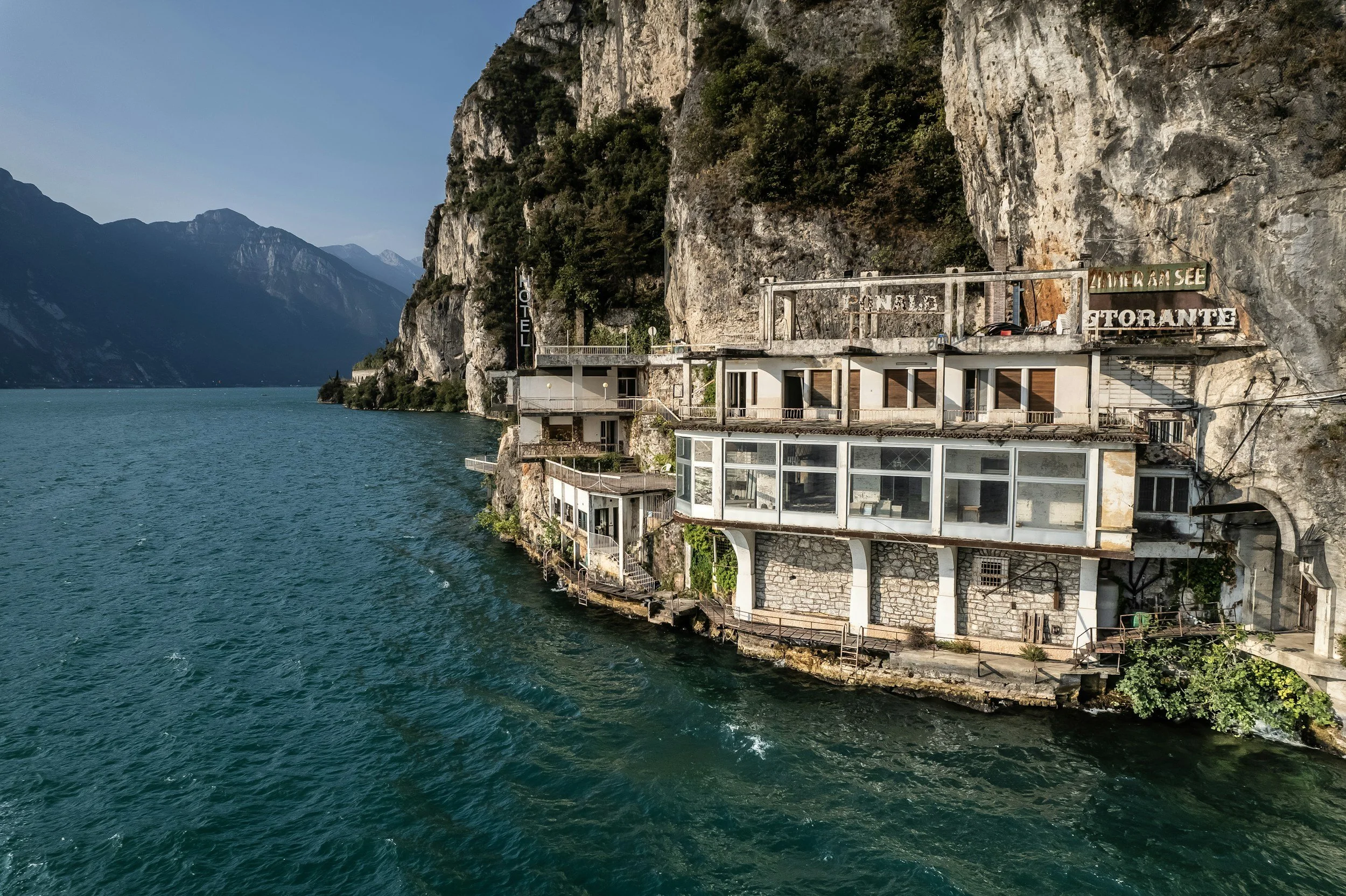
For discerning travellers, such rooms represent an encounter with landscape rather than merely a view of it.
Why Extreme Locations Hold Exceptional Appeal In Luxury Travel
Scarcity and sensation drive desirability.
Rooms built over water or perched on cliffs offer a rare combination of visual drama and psychological immersion. Guests are not separated from the environment. They are enveloped by it.
Experiential proximity often carries greater impact than conventional luxury markers.
Overwater Villas And The Illusion Of Floating Isolation
Overwater accommodations create a distinctive spatial experience.
The absence of visible land beneath the structure generates a powerful sense of detachment from the terrestrial world. Water movement, light reflection, and horizon continuity amplify feelings of calm and seclusion.
Environmental psychology research has long associated water adjacency with restorative effects on cognition and stress reduction.
Cliffside Rooms And The Theatre Of Vertical Space
Cliffside properties engage a different emotional register.
Elevation above vast vertical drops introduces a heightened awareness of scale and perspective. The juxtaposition of security and exposure produces a uniquely memorable spatial sensation.
Height transforms stillness into drama.
Architectural Engineering Behind Dramatic Positioning
Such rooms represent feats of technical precision.
Structural stability, environmental resistance, load management, and safety systems must perform flawlessly under challenging conditions. The apparent effortlessness of these spaces conceals extraordinary engineering discipline.
True architectural drama often rests on invisible complexity.
Privacy And Exclusivity Through Geographic Design
Extreme positioning frequently enhances discretion.
Physical separation from central hotel structures, controlled access pathways, and reduced adjacency to other guests reinforce privacy preservation. Geography itself becomes a privacy instrument.
Isolation refines experience quality.
Sensory Effects Of Environmental Immersion
Rooms suspended over water or void alter perception.
Soundscapes shift, visual boundaries dissolve, and spatial awareness intensifies. Guests experience a heightened connection with natural elements rarely achievable in conventional built environments.
Luxury becomes experiential rather than decorative.
Why Ultra High Net Worth Travellers Seek Such Environments
For ultra high net worth guests, uniqueness defines value.
Standardised luxury can be replicated across locations. Immersive architectural experiences rooted in geography cannot. Rooms over water or cliffs offer emotional distinction resistant to imitation.
Rarity amplifies memorability.
Destination Identity And Visual Symbolism
Certain properties achieve global recognition through location driven design.
Images of villas hovering above lagoons or suites clinging to rock faces shape destination narratives and aspirational travel psychology. Architecture becomes inseparable from landscape.
Perspective defines identity.
When Accommodation Becomes An Experience
In these environments, the boundary between room and destination dissolves.
The guest is not simply staying at a location. The guest is suspended within it. Geography becomes inhabitable rather than observable.
Design reshapes expectation.
The Enduring Power Of Location Driven Luxury
Rooms positioned over water or cliffs illustrate a deeper truth of ultra luxury hospitality.
Experiences that manipulate perception, scale, and environmental proximity frequently deliver greater emotional impact than conventional amenity expansion. The most extraordinary properties succeed not by adding more features, but by redefining spatial relationships.
A Practical Perspective On Architectural Drama
Luxury hospitality continues to evolve beyond material excess.
Extreme location design represents a shift toward immersive experiences where landscape, engineering, and perception converge. These rooms captivate precisely because they challenge conventional notions of safety, enclosure, and distance.
In ultra luxury travel, the most memorable spaces are often those that appear impossible.
If you are interested in complimentary advice, you can contact James https://jamesnightingall.com/contact