
How Discretion Shapes Luxury Hotel Design
In the upper tiers of global hospitality, discretion is not a service feature. It is a design principle.
Ultra high net worth travellers rarely evaluate hotels solely through aesthetics or amenities. Privacy, invisibility, controlled interaction, and environmental autonomy frequently outweigh spectacle. As a result, many of the most sophisticated luxury properties are engineered around the subtle management of exposure.
Discretion, in this context, is architectural.
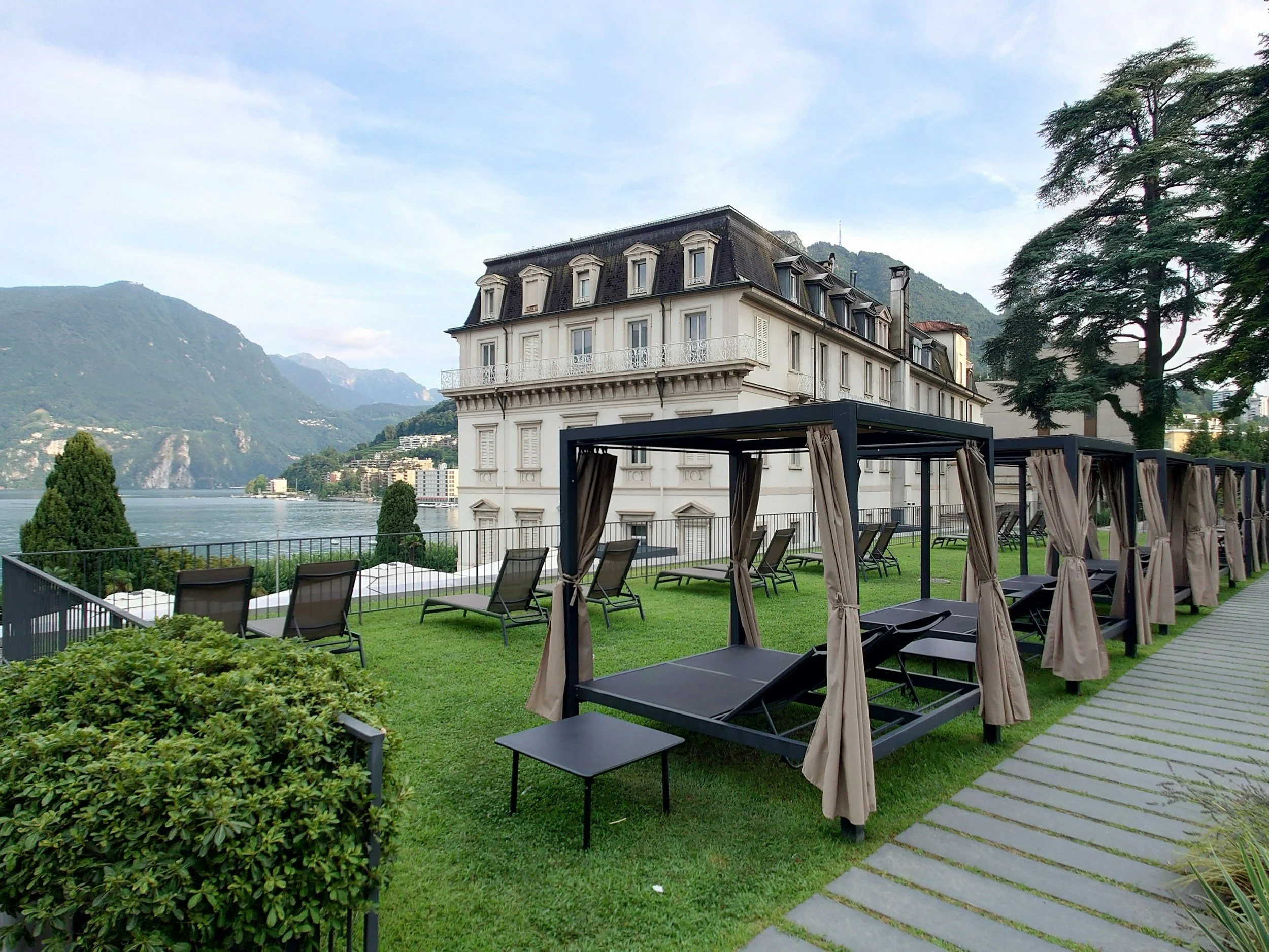
It is embedded into circulation paths, spatial sequencing, material choices, and operational logic long before a guest ever arrives.
1. Arrival Experiences Designed For Minimal Visibility
Public grand entrances, once symbols of prestige, are increasingly secondary in ultra luxury environments.
Private access points, concealed drop off zones, and alternative arrival routes allow guests to bypass crowded lobbies and unnecessary observation. These design strategies prioritise anonymity and psychological comfort.
In high value hospitality, the first impression is often invisibility.
2. Spatial Layouts That Reduce Unwanted Interaction
Circulation design plays a central role in privacy preservation.
Discrete lift cores, separated guest flows, and carefully planned transitions between public and private zones minimise incidental encounters. Movement through the property becomes controlled rather than incidental.
Architecture quietly governs social exposure.
3. Suite Positioning And Acoustic Isolation
Premium suites are rarely positioned randomly.
Distance from high traffic areas, enhanced acoustic insulation, and strategic floor placement reduce noise transmission and activity disturbance. Environmental control is inseparable from discretion.
Silence is frequently a design achievement rather than a coincidence.
4. Material Choices That Support Privacy
Interior materials influence both perception and experience.
Sound absorbing finishes, layered textures, and visual softening elements contribute to a sense of enclosure and calm. Reflective surfaces and excessive transparency, by contrast, may undermine psychological comfort.
Discretion is as much sensory as spatial.
5. Controlled Sightlines And Visual Shielding
Visual exposure is carefully managed in refined hospitality environments.
Window orientation, terrace screening, landscaping, and façade geometry are often calibrated to preserve views while limiting external visibility. Privacy engineering frequently operates at the intersection of architecture and environment.
What cannot be seen often defines luxury.
6. Back Of House Infrastructure And Invisible Service
Operational discretion depends on service invisibility.
Dedicated staff corridors, concealed service routes, and separated logistical pathways enable high touch service without overt presence. Seamlessness is designed rather than improvised.
Invisible operations sustain visible comfort.
7. Amenity Design That Balances Access And Isolation
Shared facilities within ultra luxury hotels are designed to provide both exclusivity and control.
Private dining rooms, semi secluded wellness spaces, and reservable environments allow guests to engage with amenities without surrendering privacy.
Flexibility is a core design currency.
8. Psychological Comfort As A Design Objective
Discretion ultimately serves psychological ends.
Spaces that reduce overstimulation, manage sensory input, and provide environmental autonomy enhance perceived security and well being. Luxury hospitality design increasingly recognises that privacy is experienced emotionally as much as physically.
Calm is constructed.
Why Discretion Defines Modern Ultra Luxury Hospitality
For ultra high net worth travellers, discretion often functions as the ultimate luxury marker.
Opulence can be replicated. Privacy cannot.
Hotels that successfully embed discretion into their physical and operational architecture create environments that feel controlled, secure, and deeply personalised. These qualities frequently determine long term guest loyalty and property reputation.
A Practical Perspective
The most sophisticated luxury hotels are rarely the most conspicuous.
Their excellence lies in what they conceal, soften, and render effortless. Discretion is not decorative. It is structural.
In ultra luxury hospitality, privacy is designed long before it is delivered.
If you are interested in complimentary advice, you can contact James https://jamesnightingall.com/contact