
How Much Does a Space Tourism Flight Cost in 2026?
Space tourism has officially crossed from concept to reality. In 2026, travelling beyond Earth’s atmosphere is no longer reserved for astronauts alone. For a small, elite group of ultra-high-net-worth travellers, space has become the ultimate destination.
That said, space tourism sits at the very top of the luxury travel pyramid. Costs are substantial, experiences vary widely, and expectations must be carefully aligned with reality. Here is a clear breakdown of what space tourism costs in 2026 and what travellers actually receive at each level.
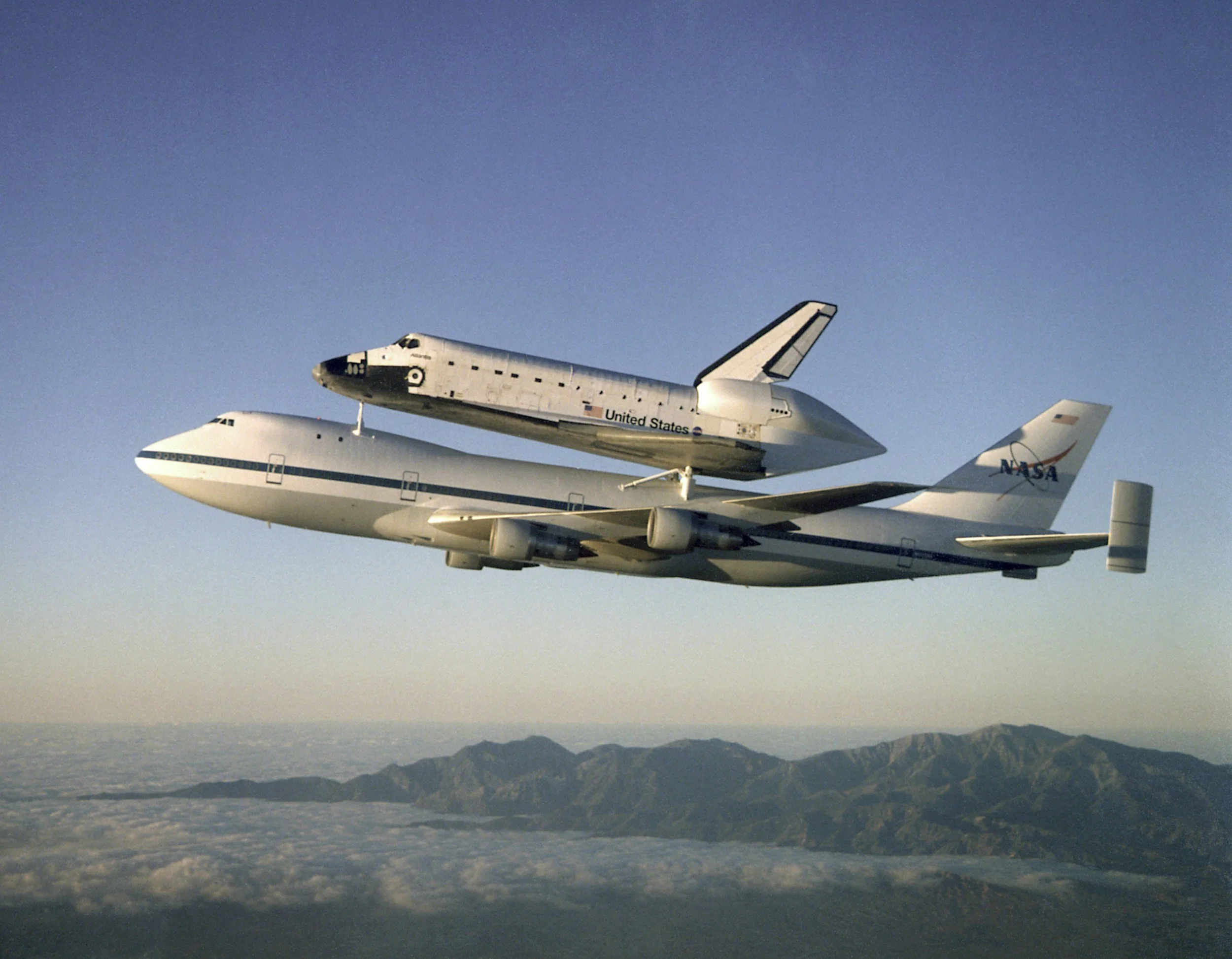
The three tiers of space tourism
Not all space journeys are equal. In 2026, space tourism broadly falls into three categories, each with very different pricing, preparation and depth of experience.
1. Suborbital space flights
The gateway experience
What it involves
Suborbital flights take passengers beyond the recognised edge of Earth’s atmosphere before returning to the ground. Travellers experience several minutes of weightlessness and panoramic views of the planet’s curvature.
The entire journey typically lasts around 60 to 90 minutes from launch to landing.
Cost in 2026
Approximately £160,000 to £500,000 per person
Pricing varies by provider, seat availability and training package. As demand continues to rise, pricing is trending towards the upper end of this range.
What you get
A rocket powered ascent beyond the atmosphere
Several minutes of zero gravity
Views of Earth from space
Pre flight training and preparation
Post flight recognition and memorabilia
This option is best suited to travellers seeking a profound, symbolic experience rather than extended time in space.
2. Orbital space missions
True space travel
What it involves
Orbital missions place travellers into sustained orbit around Earth, often for several days. These journeys may include time aboard space stations or specially designed orbital habitats.
Preparation is extensive and physically demanding, often requiring months of training.
Cost in 2026
From £40 million to £75 million per person
Costs reflect the complexity, risk and scale of these missions, as well as the extremely limited availability.
What you get
Multiple days in orbit
Continuous weightlessness
Earth observation from orbit
Extensive astronaut style training
Highly personalised mission support
This tier represents the closest civilian equivalent to being an astronaut and is currently the most exclusive travel experience on Earth.
3. Near space luxury flights
The edge of space experience
What it involves
Near space journeys ascend to extremely high altitudes using advanced balloon or alternative ascent systems. While they do not technically reach space, the visual experience is dramatic, offering black skies and the visible curve of the Earth.
These experiences prioritise comfort and observation over thrill.
Cost in 2026
Approximately £35,000 to £120,000 per person
This makes near space flights the most accessible option within the broader space tourism category.
What you get
Slow ascent to the edge of space
Panoramic viewing cabins
Several hours at altitude
Champagne style service and luxury interiors
Minimal physical strain
This option appeals to travellers seeking the aesthetics of space without the intensity of rocket travel.
What drives the cost of space tourism
Engineering and safety
Space travel requires extraordinary engineering, rigorous safety protocols and highly trained teams. These costs are reflected directly in ticket pricing.
Training and preparation
Even suborbital passengers undergo physical assessments and training. Orbital missions require far more intensive preparation.
Exclusivity
Seats are extremely limited. Scarcity alone sustains high pricing.
Insurance and risk management
Insurance, liability coverage and mission support add significant cost behind the scenes.
Who space tourism is for
Space tourism in 2026 is not about comfort in the traditional sense. It is about perspective, symbolism and personal milestone achievement.
It appeals to:
Ultra high net worth individuals seeking a once in a lifetime experience
Pioneers and collectors of rare experiences
Travellers who value meaning over relaxation
Those comfortable with controlled risk
This is not a substitute for a luxury holiday. It is an entirely different category.
Is space tourism worth the cost
For its audience, yes.
The value lies not in duration, but in significance. Seeing Earth from space alters perspective in a way no destination on the planet can replicate. For many travellers, the experience is deeply emotional rather than recreational.
Final thought
Space tourism represents the outer edge of luxury travel in 2026. It is not polished or effortless in the way private jets or superyachts are. Instead, it is raw, historic and profoundly human.
Those who choose it are not buying comfort. They are buying a moment that redefines what travel can be.
If you are interested in complimentary advice, you can contact James https://jamesnightingall.com/contact