
How to Choose a Luxury Villa Without Compromising Privacy
In the ultra-luxury segment, privacy is not an amenity — it is a baseline requirement. For UHNW families, founders, high-profile individuals and private office clients, the ideal villa offers sanctuary without sacrificing comfort, security or discretion. Yet privacy is often the first element to be compromised when clients prioritise architecture, views or design without examining the factors that determine true seclusion. Choosing the right villa is therefore less about aesthetics and more about understanding geography, access, staffing, and operational infrastructure.
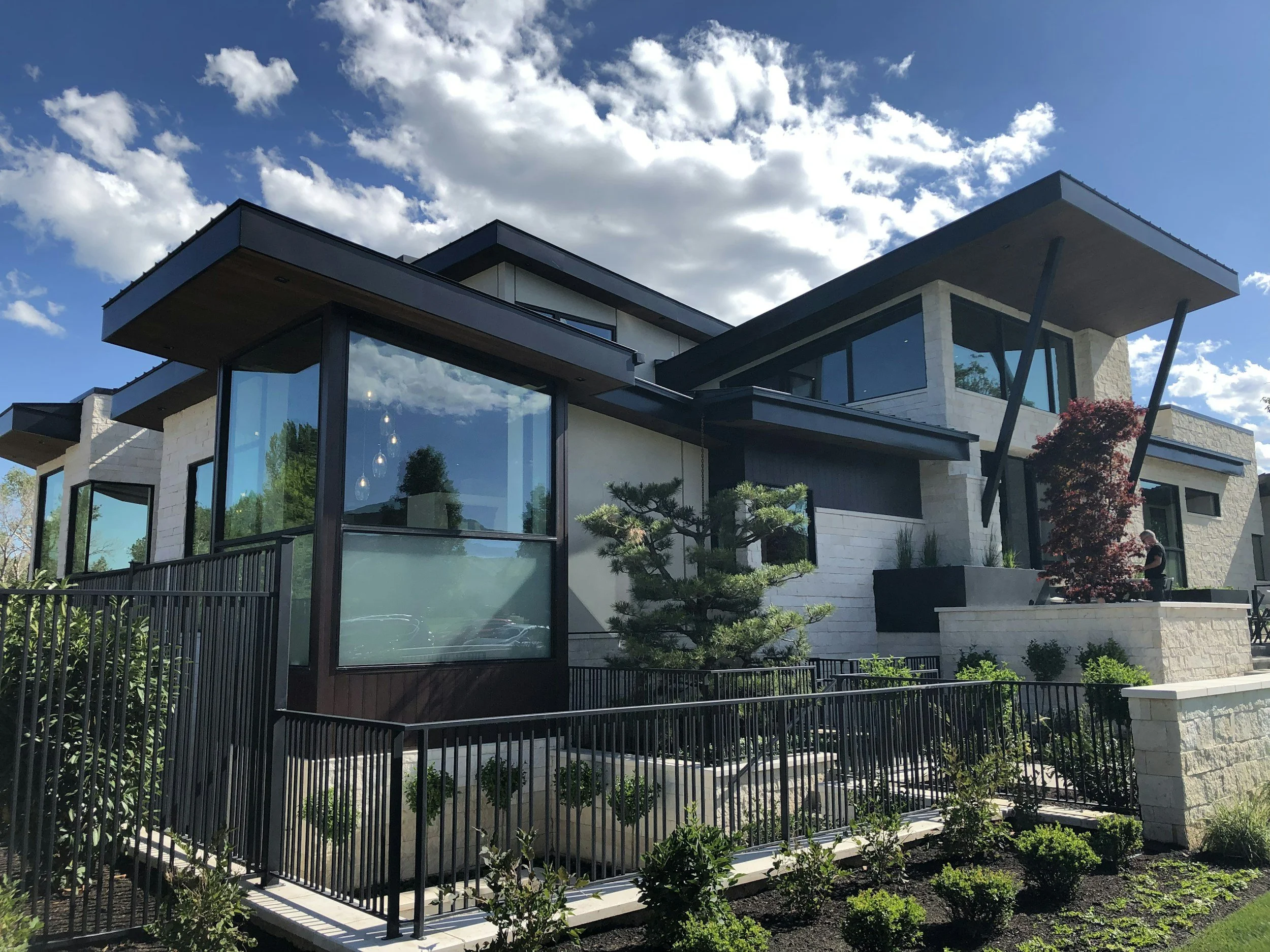
Understand the Type of Privacy You Require
Privacy is multi-dimensional, and different clients require protection from different forms of exposure. For some, the concern is visibility from neighbouring properties; for others it is intrusion from media, drones, staff or beach traffic. Starting with a clear understanding of what privacy means for your circumstances guides the selection process. Ultra-luxury travel advisors often distinguish between visual privacy (not being seen), acoustic privacy (not being heard), operational privacy (not being disturbed), and digital privacy (not being monitored or profiled). The most successful villa placements achieve all four.
Evaluate Location Through Context, Not Photographs
Villa listings showcase their best angles, but privacy is determined by context — and context requires elevation, topography and surrounding land use. For example, a villa may appear secluded on a cliff, yet be overlooked from a road or headland above. Coastal villas may offer direct water access, but if local maritime rules allow anchorage, guests can be observed from passing yachts. Rural villas may be visually hidden, but sit adjacent to public footpaths or hiking routes. Serious villa advisors therefore review topographic maps, satellite context and elevation data, not just photographs, to assess exposure risk.
Assess Access and Perimeter Integrity
True privacy relies on controlled access. This involves examining driveways, estate boundaries, entry points and any public rights of way. In parts of Europe, coastal laws guarantee public shoreline access, meaning beach-facing villas may require additional elevation or landscaping to achieve functional privacy. In hilltop destinations, shared driveways can compromise discretion. The best villas for privacy feature single-access entries, natural barriers such as cliffs or forests, and security perimeters designed to protect without signalling conspicuous wealth.
Consider the Staff Footprint and Service Design
Staff presence is often overlooked in privacy assessments, yet it plays a decisive role in guest comfort during longer stays. Fully staffed villas should provide separate service corridors, prep kitchens and staff quarters, allowing household operations to occur out of sight and without disturbing guests. Properties without this infrastructure can create constant staff circulation, which undermines privacy even when guests are not visible to the outside world. High-end operators borrow from luxury hotels: seamless service, minimal interaction, and housekeeping windows agreed in advance.
Analyse Surrounding Neighbours and Land Use
Neighbouring properties influence privacy as much as architecture. A villa may appear secluded, yet sit adjacent to event venues, holiday rentals or nightlife. Understanding local zoning and land use prevents unpleasant surprises. For UHNW families with young children, residential estates with strict noise controls may be ideal. For high-profile clients, large estates or agricultural buffers reduce exposure. Local intelligence from villa concierges, private security advisers or yacht captains often provides more reliable insights than marketing materials.
Plan for Digital and Information Privacy
As privacy risks evolve, digital safeguards are increasingly vital. Luxury villa guests expect secure, private internet networks; segmented staff and guest WiFi; no shared passwords; controlled CCTV access; and policies governing data retention. With many UHNW clients working remotely or conducting confidential calls during stays, poor digital privacy can be as intrusive as poor physical privacy. Family offices increasingly conduct digital audits as part of villa due diligence, particularly for longer bookings.
Use Trusted Human Networks Over Platforms
While booking platforms provide convenience, they are not optimised for ultra-luxury privacy requirements. UHNW travellers typically rely on trusted human networks — private concierges, villa brokers, family offices, travel advisors and security consultants — who verify properties, staff, operational standards and neighbourhood dynamics. According to multiple luxury travel industry reports, a significant proportion of UHNW villa bookings are sourced through advisory channels rather than consumer platforms, precisely because privacy cannot be assessed through automated filters.
Conclusion
Choosing a luxury villa without compromising privacy is an exercise in due diligence, not decoration. The most successful placements balance architecture, geography, access, staffing and digital protection to create an environment that feels natural and unobserved. For high-profile clients, that privacy is not a luxury but a condition that allows them to live normally. In this sense, the villa selection process is less about renting a property and more about securing a temporary sanctuary — one that protects discretion as effectively as it delivers beauty.
If you are interested in complimentary advice, you can contact James https://jamesnightingall.com/contact