
Luxury Hotels Hidden Inside Historic Buildings
Some of the most extraordinary luxury hotels in the world are not new builds or purpose designed resorts. They are historic buildings quietly repurposed, where the architecture came first and hospitality followed later.
These hotels do not advertise loudly. They reveal themselves slowly. The luxury comes from what already existed.
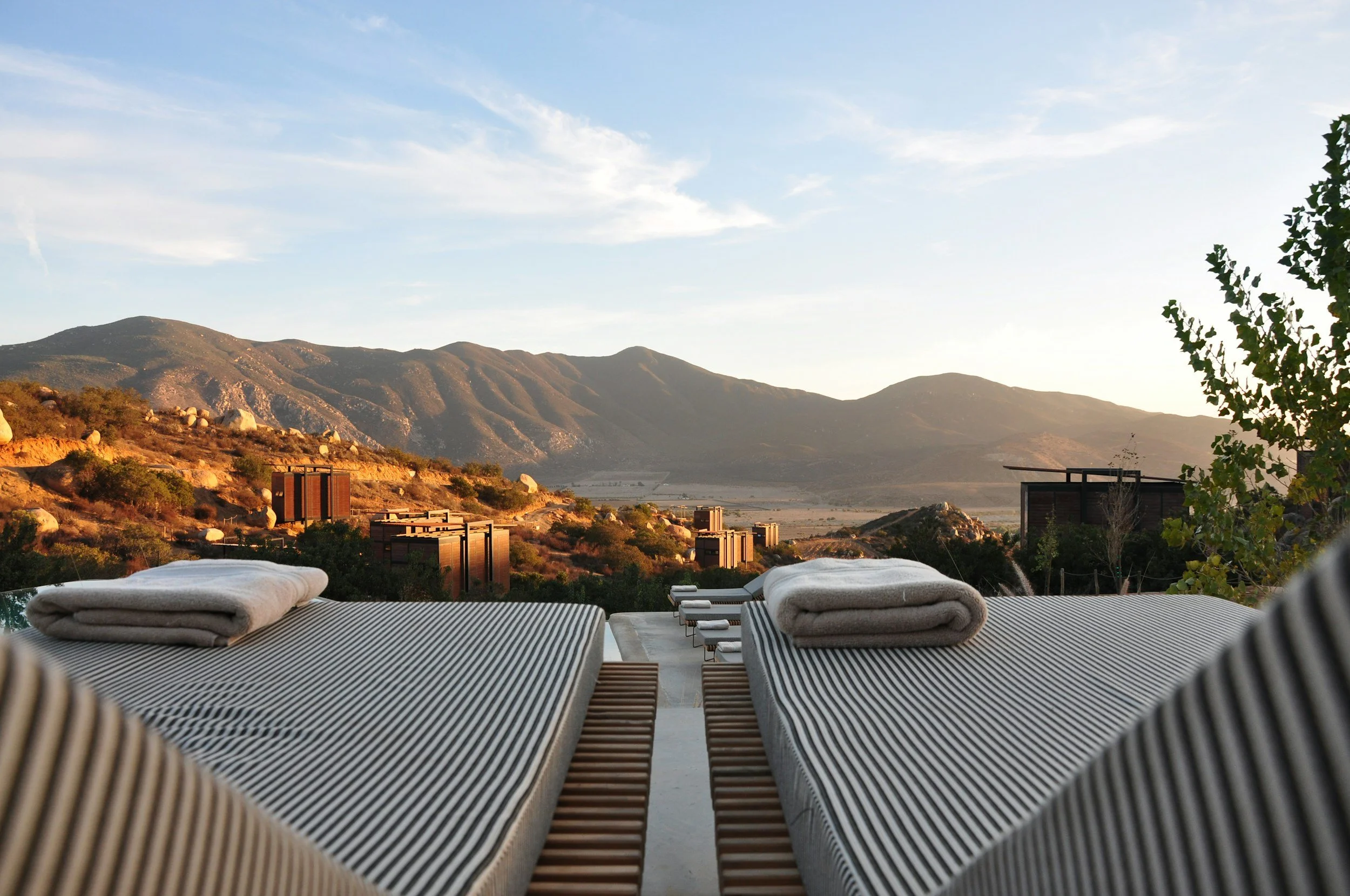
Here is a curated list of luxury hotels hidden inside historic buildings where history is not a theme. It is the structure.
1. Aman Venice
Housed inside a sixteenth century palazzo on the Grand Canal, Aman Venice feels more like a private residence than a hotel. Frescoed ceilings, grand staircases, and original details remain untouched.
Luxury here is restraint. The building sets the tone and the hotel steps back.
2. Hotel de Crillon
Once a royal residence on Place de la Concorde, this eighteenth century landmark now hosts one of Paris’s most discreet luxury hotels.
The transformation respected the building’s original proportions and ceremonial flow. Staying here feels like occupying a private corner of French history rather than a hotel room.
3. Raffles London at The OWO
Formerly the Old War Office, this monumental Edwardian building once shaped British political history. Today it contains one of London’s most ambitious luxury hotels.
Secret corridors, grand staircases, and hidden rooms remain intact. The building’s past is layered quietly beneath modern hospitality.
4. Four Seasons Hotel Firenze
Set within a Renaissance palazzo and its private gardens, this hotel feels more like a Tuscan estate than an urban retreat.
Original frescoes, cloisters, and garden layouts define the experience. The hotel adapts to the building rather than reshaping it.
5. The Gritti Palace
Once the home of Venetian nobility, The Gritti Palace retains its palatial scale and formal structure. Rooms follow historic proportions and views open directly onto the Grand Canal.
The luxury lies in authenticity rather than reinvention.
6. Rosewood Castiglion del Bosco
Set inside a medieval village and estate dating back centuries, this property preserves stone walls, original layouts, and historic pathways.
Guests are not staying near history. They are staying inside it.
7. Parador de Granada
Located within the grounds of the Alhambra, this former convent has been transformed into a refined hotel without losing its monastic calm.
History is not decorative here. It defines the rhythm of the stay.
8. Taj Lake Palace
Originally built as a royal palace in the eighteenth century, this marble structure appears to float on Lake Pichola.
The hotel preserves ceremonial layouts, courtyards, and royal proportions. The sense of arrival is theatrical because it always was.
Why Historic Buildings Create Better Luxury Hotels
Historic structures bring qualities that modern hotels cannot replicate
Scale that was never optimised for profit
Materials that age beautifully
Layouts designed for ceremony not efficiency
A sense of permanence and weight
Luxury feels deeper when it is inherited rather than manufactured.
Final Thought
Luxury hotels hidden inside historic buildings offer something rare. They do not try to impress you. They simply exist with confidence.
You are not staying in a hotel inspired by history.
You are staying inside history that learned how to host you.
That difference is felt immediately and remembered long after you leave.
If you are interested in complimentary advice, you can contact James https://jamesnightingall.com/contact