
Owning a Private Jet vs Chartering A Cost Comparison for Frequent Flyers
For frequent flyers operating at the highest end of the market, private aviation presents two clear paths. Ownership or charter. Both deliver privacy, control, and efficiency, yet the financial realities behind each option differ dramatically.
For London based business leaders, family offices, and global investors, the decision often mirrors those made in prime property markets. It is not simply about purchase price, but long term value, flexibility, and how often the asset is truly used.
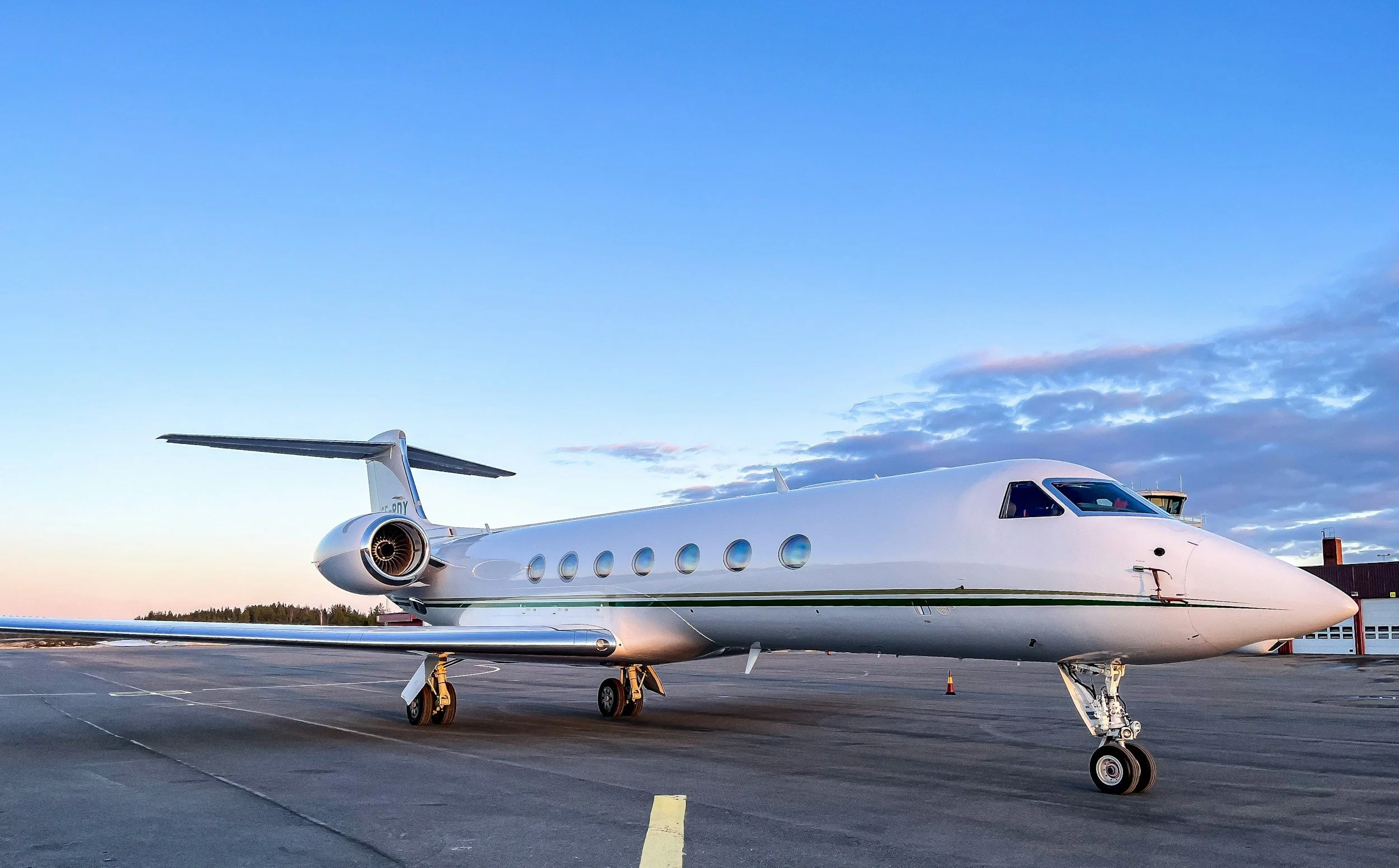
The True Cost of Owning a Private Jet
Owning a private jet is often perceived as the ultimate luxury, but it is also a complex financial commitment.
Purchase prices vary widely depending on aircraft type. A light jet may cost between £3 million and £6 million. Mid size jets typically range from £8 million to £15 million. Large cabin and ultra long range jets can exceed £50 million.
However, acquisition is only the beginning.
According to data published by the European Business Aviation Association and the International Business Aviation Council, annual operating costs often range between 10 and 15 percent of the aircraft purchase price.
These costs include crew salaries, training, maintenance, insurance, hangarage, fuel, navigation fees, and regulatory compliance. For a long range jet, annual fixed and variable costs can easily exceed £4 million even before significant flying takes place.
Depreciation and Capital Exposure
Private jets are depreciating assets.
Industry analysis from aircraft valuation firms cited by EBAA indicates that most private jets lose between 5 and 10 percent of their value annually, depending on utilisation and market conditions.
This capital exposure is a critical consideration for owners who prefer to allocate funds toward appreciating assets such as prime real estate or investment portfolios.
The Cost Structure of Chartering
Chartering a private jet eliminates ownership responsibilities while preserving flexibility.
Charter pricing is based primarily on flight hours, aircraft category, and itinerary complexity. According to aggregated data from PrivateFly and European charter operators, hourly rates typically begin around £1,300 for light jets, £2,500 to £3,500 for mid size jets, and £4,500 to £6,000 or more for long range aircraft.
There are no long term commitments, no depreciation risk, and no fixed annual costs. Clients pay only when they fly.
For frequent travellers completing 50 to 75 flight hours per year, chartering often remains significantly more cost effective than ownership.
Break Even Analysis When Ownership Makes Sense
Ownership typically becomes financially justifiable only at very high utilisation levels.
According to industry benchmarks published by IBAC, private jet ownership begins to make economic sense at approximately 300 flight hours per year for mid size aircraft and even higher for large cabin jets.
Below this threshold, the cost per hour of ownership far exceeds charter pricing once fixed costs and depreciation are included.
For many UK based flyers, reaching this level of annual utilisation is unrealistic unless travel is exceptionally frequent and predictable.
Flexibility and Aircraft Choice
Chartering offers a strategic advantage that ownership cannot match.
Owners are tied to a single aircraft type regardless of trip length, passenger count, or destination. Charter clients can select a light jet for a European meeting, a mid size aircraft for Mediterranean travel, or a long range jet for intercontinental journeys.
According to WingX Advance flight data, over 65 percent of charter clients use more than one aircraft category annually, reflecting the value of tailored aircraft selection.
Operational Responsibility and Peace of Mind
Ownership brings control but also responsibility.
Maintenance schedules, regulatory compliance, crew management, and unexpected technical issues fall to the owner or their management company. While these tasks can be outsourced, the accountability remains.
Chartering shifts this burden entirely to the operator. Aircraft availability, crew readiness, and regulatory compliance are handled behind the scenes, allowing passengers to focus solely on travel.
For many frequent flyers, this simplicity is as valuable as the financial savings.
Tax and Regulatory Considerations in the UK
Private jet ownership in the UK involves complex tax considerations including VAT treatment, import status, and Air Passenger Duty.
Charter flights also incur APD, but ownership can trigger additional tax exposure depending on usage patterns and corporate structures.
HM Treasury guidance and aviation tax specialists consistently advise that ownership decisions should be driven by operational need rather than perceived tax advantages.
Which Option Suits Frequent Flyers Best
For most frequent flyers, chartering delivers superior value, flexibility, and risk control.
Ownership may suit individuals or organisations with exceptionally high and predictable flight hours, dedicated travel patterns, and a desire for absolute control over a specific aircraft.
Much like choosing between owning a flagship residence or accessing luxury homes globally, the right choice depends on lifestyle, frequency, and strategic priorities.
For London based travellers accustomed to making sophisticated investment decisions, chartering remains the most efficient entry point into private aviation while preserving capital for assets that truly appreciate.
If you are interested in complimentary advice, you can contact James https://jamesnightingall.com/contact