
Pricing Strategies in Mayfair and Belgravia: Valuing Prime London Property in Two Elite Markets
Mayfair and Belgravia represent two of the most prestigious residential districts within the Prime Central London property market. Located near Hyde Park and surrounded by historic architecture, private garden squares and embassies, these neighbourhoods have long attracted international buyers seeking luxury homes in central London.
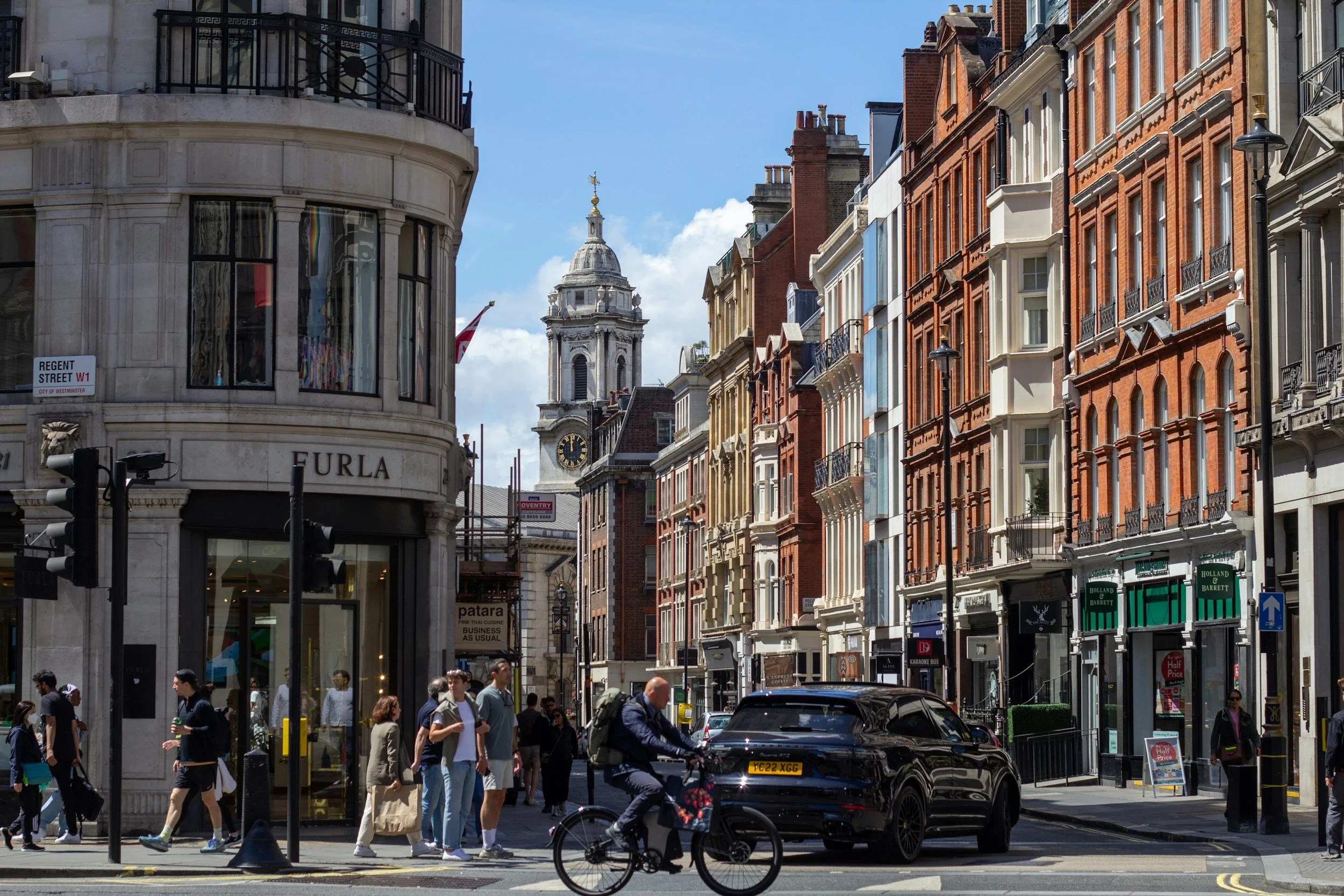
Despite their close proximity, pricing strategies in Mayfair and Belgravia often differ due to variations in property type, architectural character and buyer expectations. In markets where apartments and townhouses frequently command prices above several million pounds, subtle differences in location, building quality and design can significantly influence value.
For sellers and investors navigating these markets, understanding how pricing strategies operate in Mayfair and Belgravia is essential to achieving successful transactions and protecting asset value.
1. Recognising the Micro Market Structure
Mayfair and Belgravia function as highly localised micro markets within Prime Central London. Even properties located only a few streets apart can vary significantly in value depending on the prestige of the address and the architectural character of the surrounding buildings.
In Mayfair, apartments near Grosvenor Square, Berkeley Square or Mount Street often command substantial premiums due to their proximity to luxury retail, private members clubs and financial institutions. Belgravia, by contrast, is known for its elegant garden squares such as Eaton Square and Chester Square where large stucco fronted townhouses dominate the residential landscape.
Pricing strategies must therefore account for these micro location differences rather than relying solely on general neighbourhood averages.
2. Understanding Property Type Differences
Property types in Mayfair and Belgravia vary considerably, which influences how properties are valued and marketed.
Mayfair has experienced an increase in luxury apartment developments in recent years, including boutique residences offering concierge services, private gyms and modern interior design. Buyers in this segment often expect high specification interiors and hotel style amenities.
Belgravia, on the other hand, remains strongly associated with grand period townhouses and historic terraces. Many properties are Grade II listed and retain architectural features that appeal to buyers seeking heritage and scale rather than contemporary apartment living.
Pricing strategies must therefore reflect whether the property belongs to the modern luxury apartment market or the historic townhouse sector.
3. Using Comparable Transactions Carefully
Comparable sales remain one of the most important tools when determining pricing within Prime Central London. However, in neighbourhoods such as Mayfair and Belgravia, suitable comparables can sometimes be limited due to the rarity of transactions involving similar properties.
Data from HM Land Registry can provide useful guidance regarding recent sales within specific streets or buildings. Yet professional property advisers often supplement this information with private transaction knowledge obtained through agency networks.
Savills and Knight Frank frequently highlight the importance of detailed comparable analysis when pricing luxury homes in these neighbourhoods where no two properties are exactly alike.
4. Accounting for Building Amenities and Services
Luxury apartment developments in Mayfair increasingly offer extensive amenities including concierge services, wellness facilities, private cinemas and underground parking. These features can significantly influence pricing levels.
Buyers purchasing apartments priced above £5 million often expect secure buildings with professional management and comprehensive residential services. Such amenities can justify substantial premiums compared with traditional residential blocks.
In Belgravia, however, buyers of historic townhouses may prioritise architectural character and private space over building services. Pricing strategies must therefore reflect the different expectations associated with each property type.
5. Evaluating Renovation and Interior Condition
The condition of the property plays a crucial role in pricing decisions. In both Mayfair and Belgravia, buyers purchasing multi million pound homes typically expect high quality interiors and modern services.
Apartments that have been recently refurbished with contemporary kitchens, luxury materials and advanced home technology often command higher prices than comparable properties requiring renovation.
Townhouses in Belgravia may present a different challenge. Some buyers are willing to undertake extensive refurbishment projects in order to create bespoke residences. In these cases the pricing strategy must reflect both the building’s architectural significance and the potential renovation costs.
6. Balancing Ambition with Market Realism
While sellers of prime London property may be tempted to adopt ambitious pricing strategies, market realism remains essential. Buyers operating in the £5 million to £20 million range typically rely on professional advisers and detailed market research.
Overpricing can lead to extended marketing periods and eventual price reductions, which may weaken negotiating positions. The Royal Institution of Chartered Surveyors has repeatedly emphasised the importance of accurate pricing in maintaining liquidity within the luxury residential market.
Properties launched at realistic values tend to generate stronger early interest and more competitive negotiations.
Market Insight: Mayfair and Belgravia within Prime Central London
Mayfair and Belgravia remain among the most valuable residential districts in the United Kingdom. According to Savills and Knight Frank research, these neighbourhoods continue to attract international wealth due to their historic architecture, proximity to Hyde Park and central position within London’s financial and cultural districts.
Data from HM Land Registry shows that property values in these areas consistently rank among the highest in the country. The Royal Institution of Chartered Surveyors also notes that limited housing supply and strict planning controls contribute to the long term resilience of property prices in these locations.
As a result, Mayfair and Belgravia continue to function as core pillars of the Prime Central London property market.
Conclusion
Pricing property in Mayfair and Belgravia requires a nuanced understanding of two closely connected yet distinct luxury property markets. Differences in architecture, property type, amenities and buyer expectations all influence how properties should be valued and marketed.
For sellers and investors, careful analysis of comparable transactions, property condition and local market dynamics is essential. In neighbourhoods where property values frequently reach several million pounds, precise pricing strategies remain the key to achieving successful outcomes within the Prime Central London property market.
If you are interested in complimentary advice, you can contact James https://jamesnightingall.com/contact