
Private Villas vs Hotel Residences for Long Stays
In the luxury travel ecosystem, the question is no longer where one sleeps for a long weekend, but how one lives for several weeks or months at a time. Remote work, flexible schooling, and post-pandemic lifestyle shifts have created a new phenomenon: affluent travellers, UHNW families, and founders taking extended stays abroad. Two formats dominate this conversation—private villas and hotel residences—and while both offer advantages, they represent very different interpretations of long-stay living.
To understand why this debate exists at all, consider the macro shift. According to Savills’ Global Residential Report 2023, over 35% of UHNW individuals now spend at least one month per year living outside their primary residence, often combining leisure with remote work. Similarly, McKinsey highlighted in 2022 that luxury long-stay demand grew faster than short-stay demand for the first time in over a decade, driven by families seeking “temporary relocation over vacation.” In other words, long stays are no longer holidays; they are lifestyle extensions.
The Villa Proposition: Space, Autonomy and Domesticity
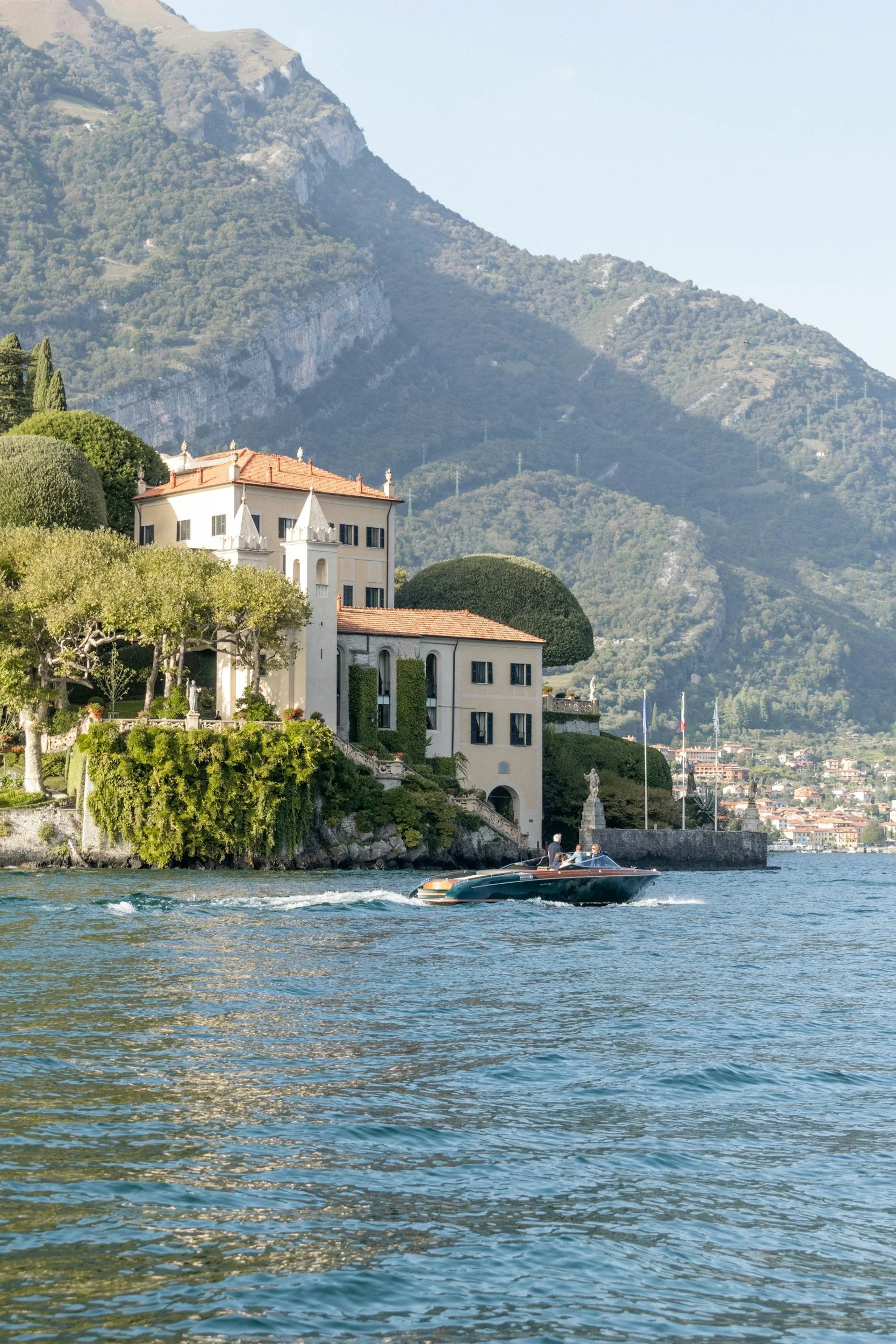
Private villas are built for living rather than visiting. They typically provide multiple bedrooms, gardens, private pools, outdoor dining terraces, separate staff areas, utility rooms, and dedicated kitchens. For long stays, these domestic features become surprisingly important.
Families appreciate that a villa allows children to move freely, set up playrooms, or work remotely without the constraints of hotel corridors and shared amenities. Private offices, media rooms, and wellness spaces make it easy to blend leisure with productivity, a common pattern among wealthy Londoners who work across time zones.
Privacy is another factor. For UHNW individuals, privacy equals normality. A villa allows them to swim, tan, eat breakfast in pyjamas or hold Zoom calls poolside without being observed. The rhythm feels closer to “temporary home” than “extended holiday.”
There is, however, a service dimension to consider. Many villas for long stays come with private chefs, housekeepers, gardeners, drivers and concierges. These services are not upsells; they are lifestyle enablers. Knight Frank noted in 2023 that staffed properties account for over half of UHNW villa bookings for stays longer than 14 days, a clear signal that travellers want home comforts without chores.
The Hotel Residence Proposition: Structure, Service and Predictability
Hotel residences—also called branded residences or extended-stay luxury suites—offer something different: infrastructure and predictability. They come with housekeeping schedules, concierge desks, spas, gyms, restaurants, security systems, and often access to private lounges or members’ clubs. For individuals who travel alone, or couples without children, this structure can be reassuring.
Residences also streamline the administrative side of long stays. Utilities, maintenance, internet, cleaning and repairs are managed by the hotel, removing logistical friction that villas occasionally require the guest (or their PA) to coordinate.
Location matters too. Hotel residences tend to sit in prime urban or resort centres—Mayfair, Knightsbridge, Singapore, Dubai Marina, Miami Beach—where clients can access business districts, schools, medical care and social infrastructure with ease. For families trialling a foreign city as a potential second home, hotel residences offer a convenient transition phase.
But the trade-off is space. Even generous hotel residences rarely match the square footage of a private villa, and there is always an invisible social layer—lifts, corridors, lobbies, staff movements, CCTV—that prevents true domestic freedom.
Pricing Dynamics and Value Perception
Pricing structures are also different. Villas charge weekly or monthly rates that typically include the whole property, utilities and sometimes staffing. For large families or multi-generational groups, the value per person is compelling.
Hotel residences operate more like serviced apartments with premium hospitality uplifts. They often offer loyalty benefits, but cost scales per unit rather than per property. For solo travellers, that can be more efficient. For families of six, far less so.
There is also a psychological factor: villas feel like ownership without committing to ownership. For UHNW clients exploring second-home markets in Ibiza, Mallorca, Tuscany or the Algarve, long villa stays allow a realistic trial of lifestyle, climate, schooling and logistics before purchasing. That has made villas an important tool in international property due diligence.
Which Format Works Best for Whom?
The best match depends on intention rather than wealth.
Private villas are ideal when the goal is:
Family togetherness
Privacy and domesticity
Space for children, guests or staff
Blending work with sunshine
Trialling a destination for property buying
Hosting, entertaining or celebrating
Hotel residences are ideal when the goal is:
Business-centric stays
Solo or couple travel
Access to urban amenities
On-demand service without planning
Low-maintenance living
Shorter transition periods
This distinction explains why UHNW clients often rotate between the two. A founder might spend August in a villa with family and September in a residence in Singapore for business. A London private office might place principals in villas during summer and hotel residences during conference seasons.
Conclusion
So, private villas vs hotel residences for long stays—is one objectively superior? Not really. They simply answer different questions.
Private villas provide freedom, space and home-like comfort, making long stays feel natural and restorative. Hotel residences provide structure, stability and integration, making long stays practical and secure.
The true luxury is not choosing one over the other, but having the option to choose based on season, purpose and mood. And for UHNW travellers, that optionality is exactly what defines modern global living.
If you are interested in complimentary advice, you can contact James https://jamesnightingall.com/contact