
The Psychology of the Aman Guest
Understanding the Aman guest requires looking beyond demographics into behaviour, intent and decision making patterns. This is not a typical luxury traveller profile. Aman attracts a specific segment of ultra high net worth individuals whose priorities are fundamentally different from mainstream luxury consumers.
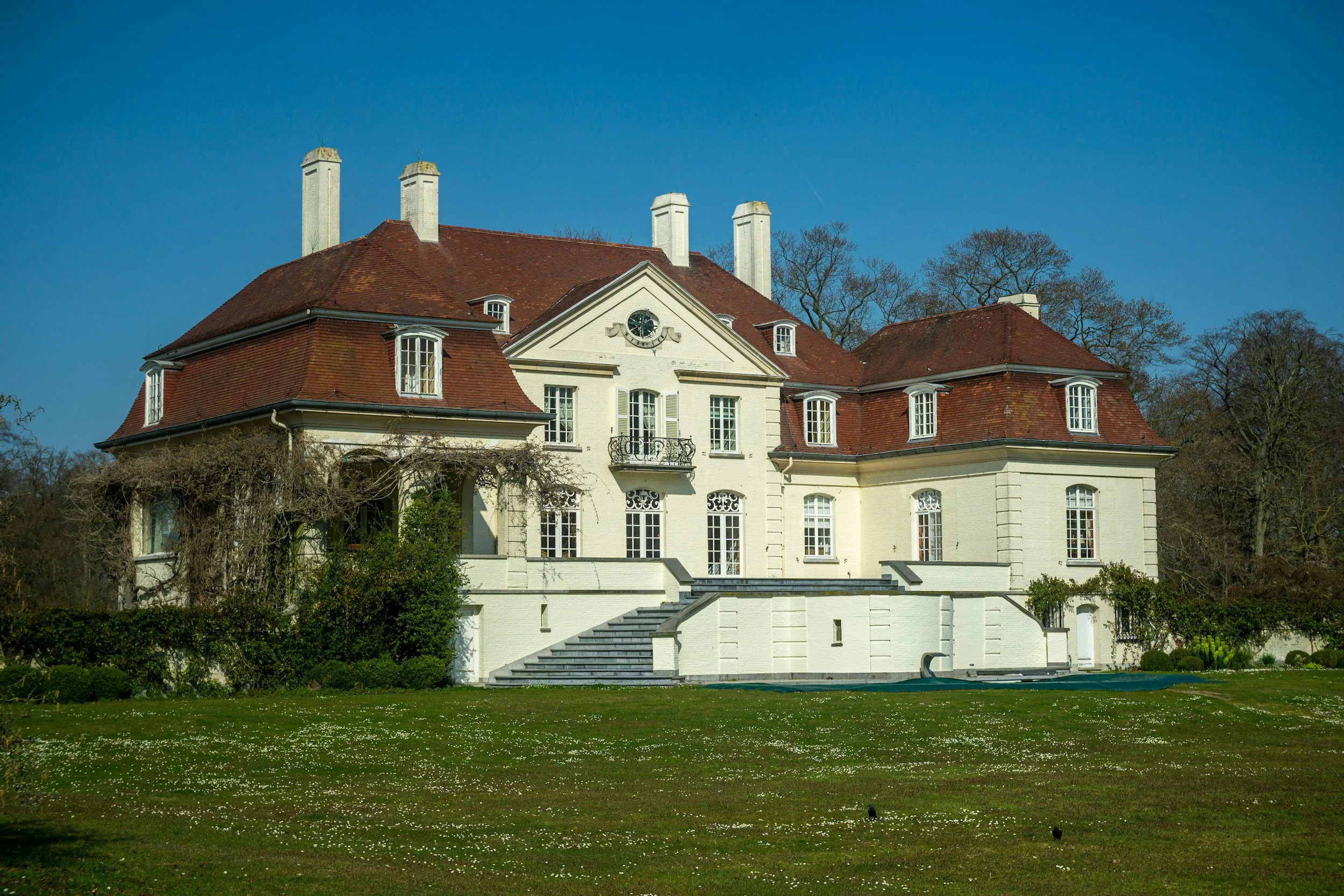
These guests are not driven by price, trend or visibility. Their decisions are shaped by privacy, control, familiarity and emotional alignment with the brand. To understand why Aman operates the way it does, you need to understand how its guests think.
They Optimise for Privacy, Not Visibility
The typical Aman guest does not want to be seen.
They avoid:
crowded destinations
highly visible luxury environments
overt displays of status
Instead, they prefer:
low density properties
discreet locations
environments where anonymity is preserved
Privacy is not a feature. It is a requirement.
This is why Aman properties are often designed with limited room counts and controlled access.
They Value Control Over Convenience
Mainstream travel platforms optimise for speed and convenience.
Aman guests prioritise control.
They want:
tailored itineraries
personalised service before arrival
flexibility in how experiences are structured
This requires direct engagement with the brand or trusted advisors.
Convenience is easy to scale. Control is not.
They Are Repeat Decision Makers
Aman guests are not exploring options each time they travel.
They:
return to the same properties
move within the Aman portfolio globally
rely on previous experience rather than new research
This reduces the role of comparison.
Once trust is established, decision making becomes faster and more consistent.
They Are Insulated From Price Signals
Price plays a different role at this level.
For Aman guests:
price is expected to be high
variations in pricing are not the primary decision factor
perceived value is tied to experience, not cost
This allows Aman to maintain pricing integrity without engaging in discounting or promotional strategies.
They Rely on Trusted Gatekeepers
Many Aman guests do not book independently.
They operate through:
private travel advisors
family offices
concierge networks
These intermediaries filter options and present curated recommendations.
Trust replaces search.
According to luxury travel network data from organisations such as Virtuoso, advisor led bookings dominate within the ultra high net worth segment.
They Seek Emotional Consistency
Aman is not just a hotel choice. It is a predictable emotional environment.
Guests expect:
a consistent level of service
a familiar design philosophy
a specific atmosphere across locations
This reduces uncertainty.
In high value consumption, consistency becomes a form of luxury.
They Avoid Transactional Experiences
Aman guests are not interested in transactional interactions.
They expect:
anticipation of needs
seamless service without friction
minimal administrative processes
The experience should feel intuitive rather than structured.
This expectation shapes how Aman designs both service and operations.
They Prioritise Space and Time
Two factors consistently define Aman’s appeal:
physical space
uninterrupted time
Guests value:
large private areas
low guest density
environments free from interruption
This aligns with a broader shift in ultra luxury consumption where time and privacy outweigh material display.
Market Insight: UHNW Travel Behaviour
Research from McKinsey, Bain & Company and Virtuoso indicates that ultra high net worth travellers increasingly prioritise:
privacy
personalisation
trusted relationships
Mass luxury is losing relevance in this segment. Brands that succeed operate with controlled distribution and high service precision.
Aman’s model aligns directly with these behavioural patterns.
Conclusion
The psychology of the Aman guest is defined by a clear set of priorities:
privacy over visibility
control over convenience
trust over comparison
consistency over novelty
This is not a broad market. It is a highly specific behavioural segment.
Aman does not attract these guests by adapting to them.
It is built around how they already think.
If you are interested in complimentary advice, you can contact James https://jamesnightingall.com/contact