
The World’s Most Secret Luxury Hotels
Within global ultra luxury travel, visibility and desirability often move in opposite directions. The most sought after properties are not always those with the loudest branding or broadest digital footprint. A distinct category of hotels cultivates prestige through deliberate obscurity, attracting guests whose priorities centre on privacy, controlled environments, and insulation from the performative dynamics of contemporary luxury culture.
Industry observations from Knight Frank, McKinsey, Deloitte, and UBS consistently show that as wealth concentration and global mobility increase, behavioural preferences shift toward inconspicuous consumption and access scarcity. Secret luxury hotels are not simply hidden destinations. They represent a structural response to evolving definitions of exclusivity.
1. Privately Networked Island Retreats
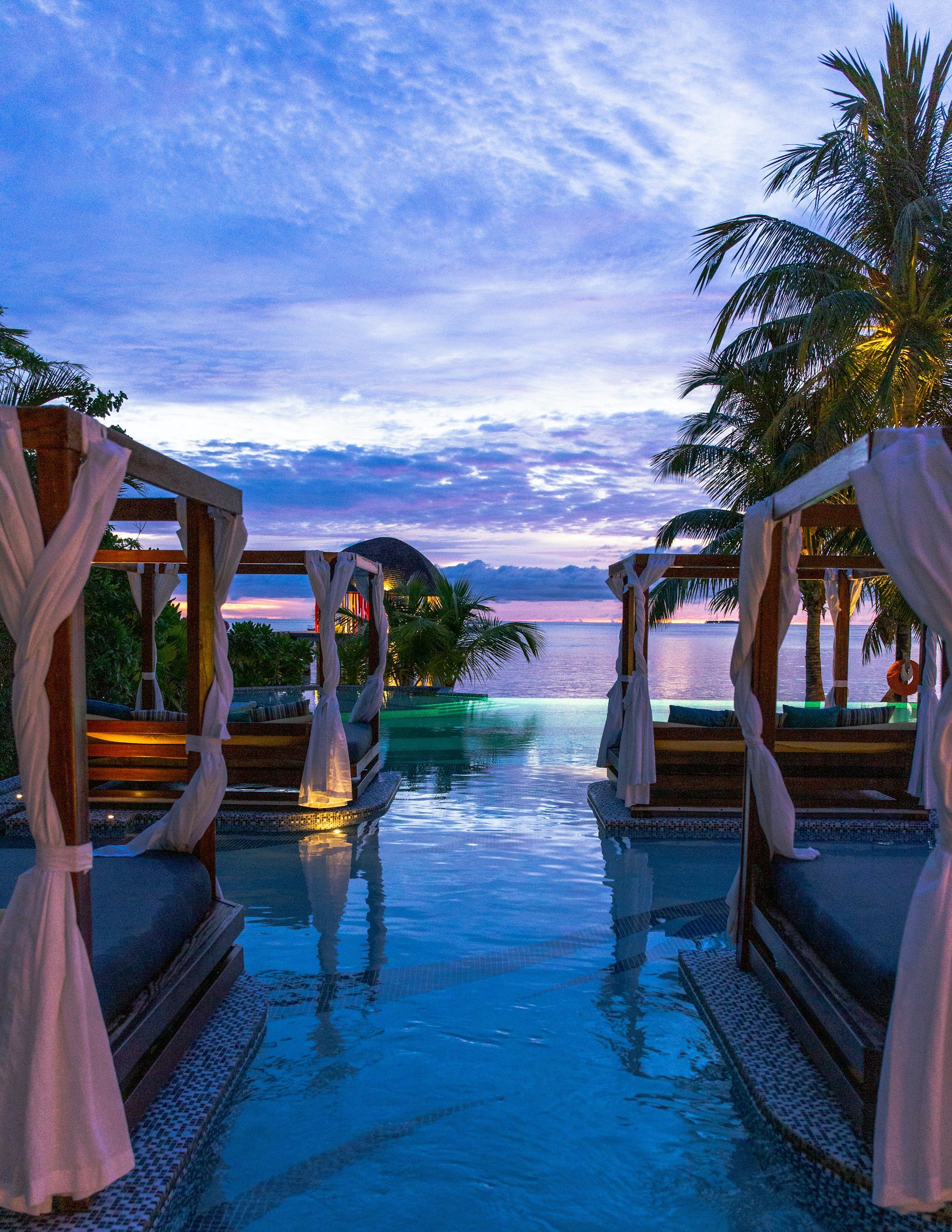
Private island hotels frequently operate at the edge of public awareness. Geographic isolation naturally restricts access, while reservation pathways are often mediated through specialist advisors or repeat guest networks. Limited inventory intensifies informational scarcity.
Deloitte’s luxury travel research repeatedly identifies fully controlled resort environments as a growing preference among ultra high net worth individuals seeking both privacy and environmental sovereignty.
2. Unlisted Heritage Estates and Residences
Certain historic residences converted into hospitality environments deliberately minimise publicity. Their reputations circulate through closed social and financial circles rather than mainstream travel channels. Architectural lineage and provenance anchor desirability.
Knight Frank’s wealth analyses often note that heritage assets possess symbolic capital that attracts globally mobile wealth holders without reliance on broad exposure.
3. Remote Wilderness Lodges With Minimal Visibility
Hotels situated in deserts, polar landscapes, mountainous regions, or protected reserves often remain peripheral to mass market travel narratives. Their appeal lies in spatial isolation, experiential rarity, and natural barriers to density.
McKinsey’s studies on luxury consumption shifts highlight rising demand for environments that minimise sensory and social noise while maximising experiential distinctiveness.
4. Urban Sanctuaries Operating Behind Discreet Facades
Secrecy is not always geographic. Certain urban hotels cultivate low visibility identities despite occupying globally recognised cities. Controlled access floors, private entrances, and muted branding preserve anonymity within dense metropolitan environments.
UBS wealth behaviour analyses indicate that high profile individuals increasingly prioritise privacy infrastructure even when remaining proximate to financial and cultural centres.
5. Relationship Only Hospitality Models
A deeper stratum of secret luxury hotels functions primarily through referral networks, private memberships, or long standing guest relationships. Absence from conventional booking platforms reinforces both exclusivity and operational control.
Informational asymmetry itself becomes a differentiating asset. Knowledge replaces advertising as the mechanism of demand formation.
6. Architectural Minimalism as Concealment Strategy
Some properties avoid visual ostentation entirely. Minimalist architectural language, subdued material palettes, and restrained spatial compositions intentionally resist spectacle. Discretion is embedded in physical form.
Knight Frank and Savills observations across luxury property markets frequently note that understated design increasingly signals confidence and longevity rather than absence of luxury.
7. The Psychology of Hidden Luxury
Secrecy functions as both protective mechanism and prestige amplifier. For globally visible wealth holders, discretion preserves cognitive bandwidth, mitigates exposure risks, and enhances experiential control. Rarity derived from limited awareness often exceeds that created by price alone.
McKinsey’s luxury sector analyses consistently identify the growing prominence of inconspicuous consumption patterns among ultra affluent demographics.
Conclusion: Secrecy as a Modern Luxury Asset
Secret luxury hotels embody a broader transformation within high end travel. Exclusivity is increasingly defined not by ornamentation or scale, but by controlled visibility, scarcity of access, and environmental predictability. These properties succeed by resisting mass recognition, cultivating reputational gravity within selective networks.
In the highest tiers of hospitality, what remains unseen frequently holds the greatest value.
If you are interested in complimentary advice, you can contact James https://jamesnightingall.com/contact