
When Paying More Doesn’t Improve the Experience
Luxury culture teaches us a simple equation. Pay more and life gets better. Bigger suite. Higher floor. More staff. More access. Yet in travel and hospitality, that equation quietly breaks at the very top.
There is a point where increasing spend no longer improves the experience and can sometimes make it worse.
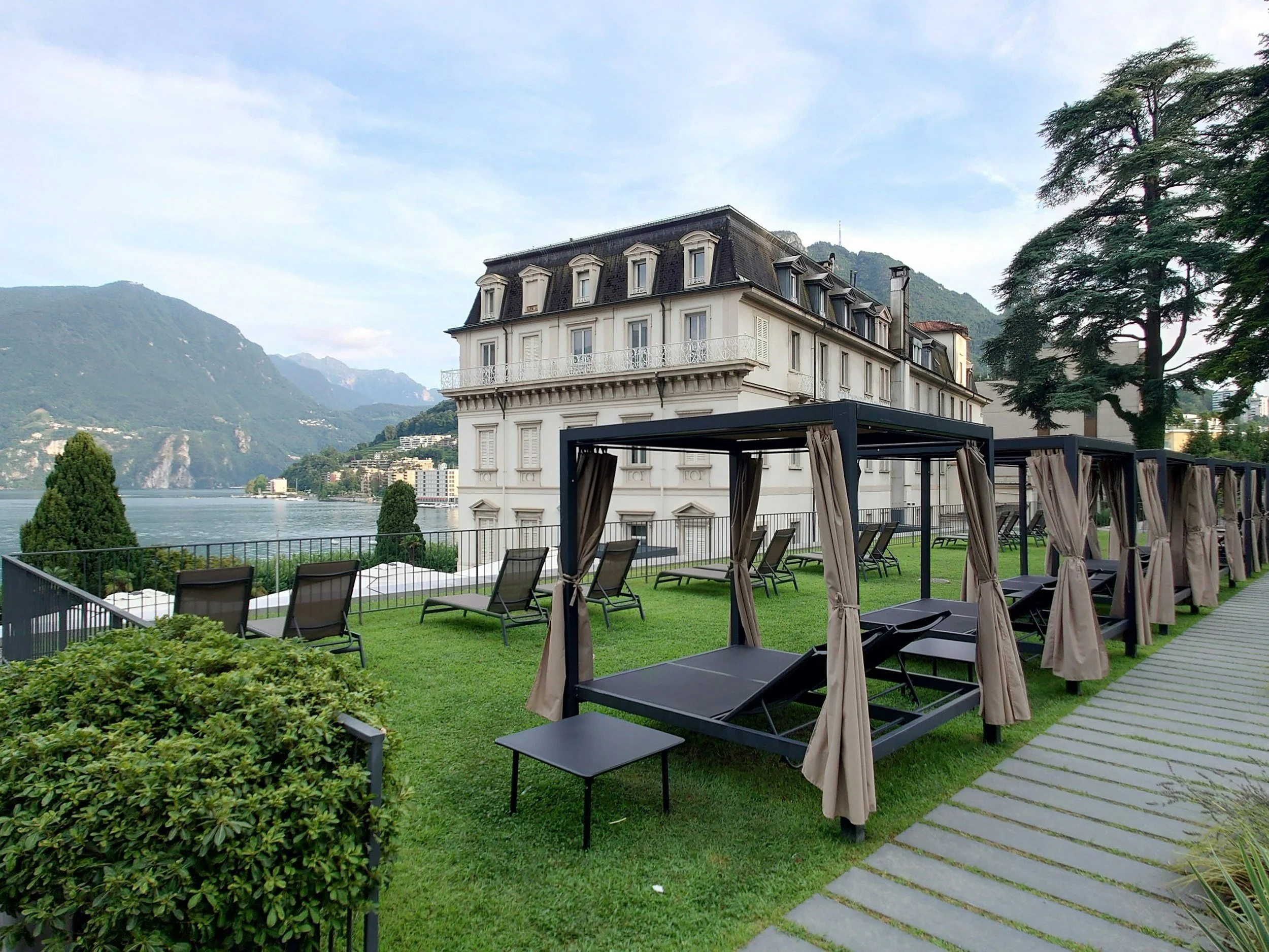
Here is when paying more stops adding value and why the most expensive option is not always the most satisfying one.
When Scale Replaces Comfort
As rooms get larger, they often become less usable. Vast living spaces look impressive but feel empty. Long walking distances inside a suite break intimacy. Seating areas feel staged rather than lived in.
At a certain scale, a suite stops feeling like a residence and starts feeling like a venue. Comfort does not grow linearly with size.
When Service Becomes Performative
More staff does not always mean better service. In ultra premium environments, service can tip into over presence. Constant check ins. Excessive formality. Too many people involved in simple requests.
What was meant to feel attentive can begin to feel managed. The experience becomes about being hosted rather than being at ease.
When Privacy Declines as Price Increases
Ironically, higher priced accommodations can attract more visibility. Iconic suites draw attention from staff, management, and sometimes other guests.
Lower category suites often allow greater anonymity. Less ceremony. Fewer eyes. For some travellers, discretion improves as price drops slightly.
When Amenities Add Friction
Top tier properties often bundle layers of amenities. Spas. Lounges. Private dining rooms. Exclusive access areas.
Each one adds rules, scheduling, and coordination. Instead of simplicity, guests manage a calendar. The stay becomes structured rather than fluid.
More options do not always mean more freedom.
When You Pay for Symbolism Not Experience
Some of the highest prices reflect symbolism rather than utility. The most expensive suite may exist to anchor brand prestige rather than deliver superior comfort.
You are paying for history, narrative, or address more than lived experience. If symbolism does not matter to you, the value disappears quickly.
When Flexibility Decreases
Higher tier bookings often come with stricter expectations. Formal dining. Dress codes. Structured service rhythms.
Mid tier luxury frequently offers more adaptability. Easier dining. Informal pacing. Greater spontaneity.
The freedom to live naturally often decreases as ceremony increases.
When Expectations Rise Faster Than Reality
The more you pay, the more you expect. Silence must be perfect. Timing must be flawless. Every detail must justify the price.
Small imperfections that would go unnoticed elsewhere feel amplified. The experience becomes evaluative rather than immersive.
At extreme price points, disappointment becomes more likely because the margin for error shrinks to zero.
When Location Matters More Than Category
A slightly smaller room in the right location often delivers a better experience than the best suite in the wrong one.
Proximity to what you love. Ease of movement. Emotional connection to place. These matter more than square footage beyond a certain point.
Spending more inside the hotel does not compensate for friction outside it.
When You Stop Leaving the Property
Ultra luxury environments encourage guests to stay inside. Dining. Wellness. Meetings. Entertainment.
While comfortable, this can flatten the experience of a destination. Travel becomes insular rather than expansive.
Sometimes a less immersive hotel pushes you outward and improves the journey overall.
When Luxury Becomes a Performance
At its extreme, luxury can feel like a role you are expected to play. How you dress. Where you sit. How you interact.
The experience becomes less about you and more about maintaining the environment’s tone.
True luxury should disappear around you. When it demands participation, value drops.
Final Thought
Paying more improves the experience until it starts replacing ease with scale, service with ceremony, and comfort with symbolism.
The best luxury is not the most expensive. It is the one that feels effortless, personal, and proportionate to how you want to live.
When paying more stops improving the experience, the answer is not to downgrade dramatically. It is to choose with precision.
Luxury is not about how far you can go.
It is about knowing when you have gone far enough.
If you are interested in complimentary advice, you can contact James https://jamesnightingall.com/contact