
Why Aman Prices Have Increased: The Economics of Ultra-Luxury Hospitality
Aman has always operated at the top end of the global hospitality market, but in recent years, pricing across its portfolio has risen significantly. This increase is not driven by inflation alone—it reflects a broader shift in how ultra-luxury travel is positioned, delivered and consumed.
For ultra high net worth travellers, Aman pricing now reflects scarcity, control and lifestyle alignment, rather than traditional hotel economics.
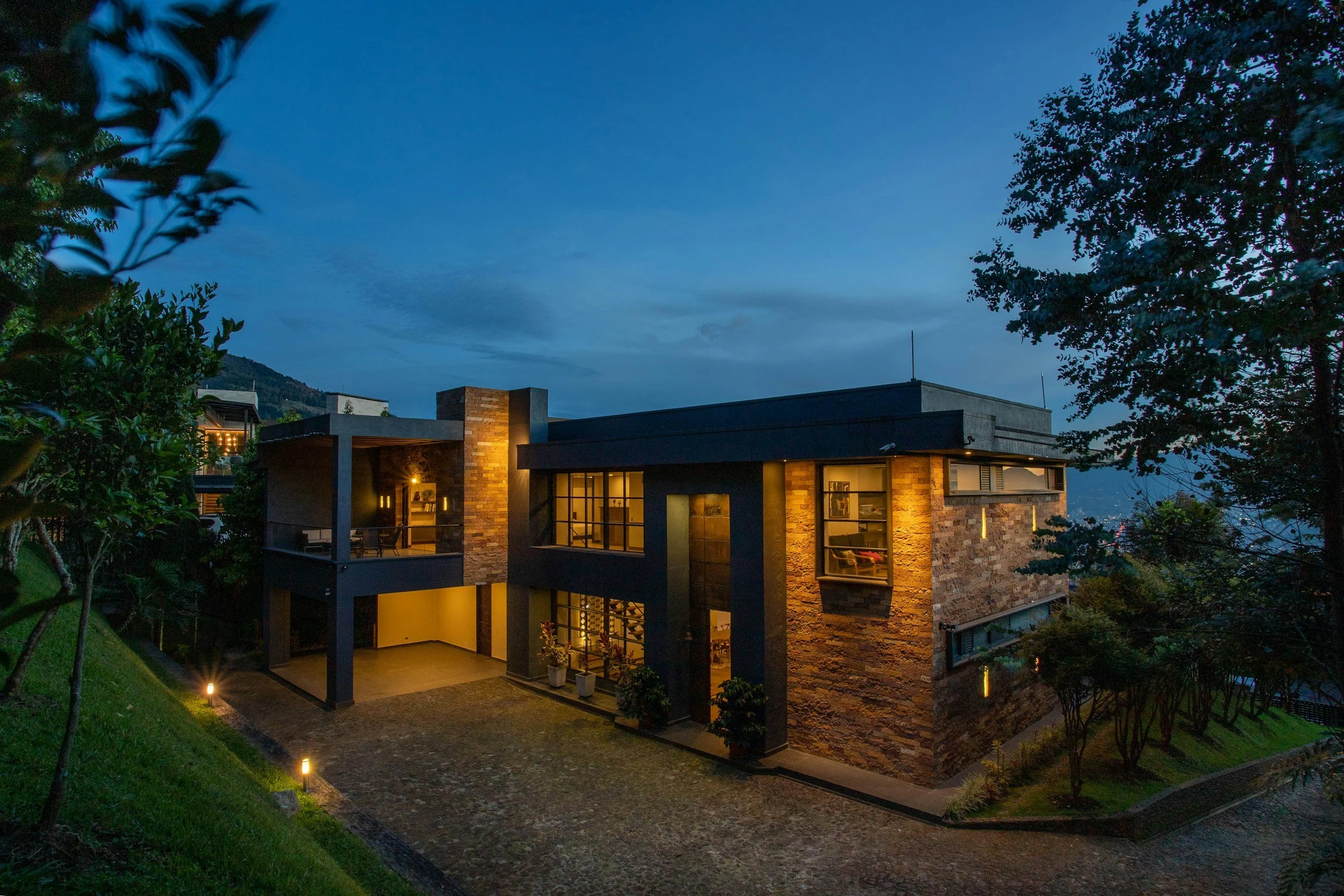
Structural Scarcity: Limited Supply by Design
Aman’s model is intentionally low-density. Most properties operate with a small number of keys, often fewer than 50 rooms or villas.
Unlike other luxury brands, Aman has not scaled aggressively. New openings remain selective, and many developments are boutique in nature. This creates:
Persistent demand exceeding supply
Limited availability in peak periods
Strong pricing power across the portfolio
Scarcity is not a by-product—it is a core part of the brand strategy.
Rising UHNW Demand for Privacy
Global demand for ultra-private travel has increased sharply, particularly post-2020. Aman is uniquely positioned to benefit from this shift due to its focus on:
Villas and standalone pavilions
Remote and controlled environments
Minimal guest interaction
Properties such as Amanpulo and Amanyara have seen increased demand from travellers seeking complete discretion and isolation.
As privacy becomes a premium asset, pricing has adjusted accordingly.
The Shift Toward Villas and Residences
Aman’s growth strategy increasingly focuses on villas and branded residences, rather than traditional hotel rooms.
These accommodations offer:
Larger footprints
Dedicated staff and personalised service
Residential-style living
The operational cost of delivering this level of service is significantly higher, and pricing reflects that.
Developments such as Amanzoe illustrate how Aman is moving towards estate-style hospitality, where each guest occupies a much larger share of resources.
Expansion into Ultra-Prime Urban Markets
Aman’s entry into major global cities has elevated its pricing structure.
Urban properties such as Aman New York operate at some of the highest nightly rates in the world. These developments combine:
Prime real estate in global financial centres
Large suite formats uncommon in city hotels
Integration with private members’ clubs and branded residences
The cost of development and operation in these locations directly influences pricing across the brand.
Increased Operational Costs
Operating ultra-luxury properties has become more expensive due to:
Higher staffing requirements per guest
Supply chain costs for premium materials and ingredients
Maintenance of large, low-density properties
Energy and sustainability investments
Aman’s service model, which prioritises anticipatory and highly personalised service, requires a higher cost base than standard luxury hotels.
Brand Positioning and Pricing Power
Aman has successfully positioned itself as a category of one within luxury hospitality.
This positioning allows the brand to:
Maintain pricing independence from competitors
Increase rates without diluting demand
Attract a global UHNW clientele willing to pay for exclusivity
Unlike volume-driven hotel groups, Aman’s pricing is aligned with brand equity rather than occupancy targets.
Experience-Led Pricing
Modern luxury travellers are increasingly paying for:
Time and privacy
Personalisation and control
Unique, non-replicable environments
Aman delivers these elements consistently, allowing it to price based on experience value rather than physical product alone.
Currency and Global Demand Dynamics
Fluctuations in global currencies and continued demand from key markets—including the US, Middle East and Asia—have also supported higher pricing.
London, New York and resort destinations within the Aman portfolio benefit from international capital and travel flows, reinforcing upward pricing trends.
Conclusion: Pricing as a Reflection of Modern Luxury
Aman’s price increases are not simply a result of market conditions—they reflect a deeper transformation in ultra-luxury travel.
The brand has moved beyond traditional hospitality into controlled, low-density, experience-driven environments. As demand for privacy, space and personalisation continues to grow, Aman’s pricing is likely to remain at the forefront of the market.
For ultra high net worth travellers, the cost is not measured solely in monetary terms, but in access to environments that are increasingly rare and difficult to replicate.
Sources
Aman Group brand positioning and development strategy insights
Global ultra-luxury travel and hospitality reports
Market data on UHNW travel demand and villa pricing
Operational cost analysis within premium hospitality sectors