
Why Expensive Hotels Can Feel Impersonal: The Hidden Psychology of Ultra Luxury Stays
Luxury hotels promise an atmosphere of exclusivity, refinement, and flawless attention. Marble gleams. Staff glide. Every detail whispers precision. Yet paradoxically, some of the most expensive hotels can leave guests with a curious aftertaste of emotional distance.
Grandeur surrounds, but warmth feels strangely absent.
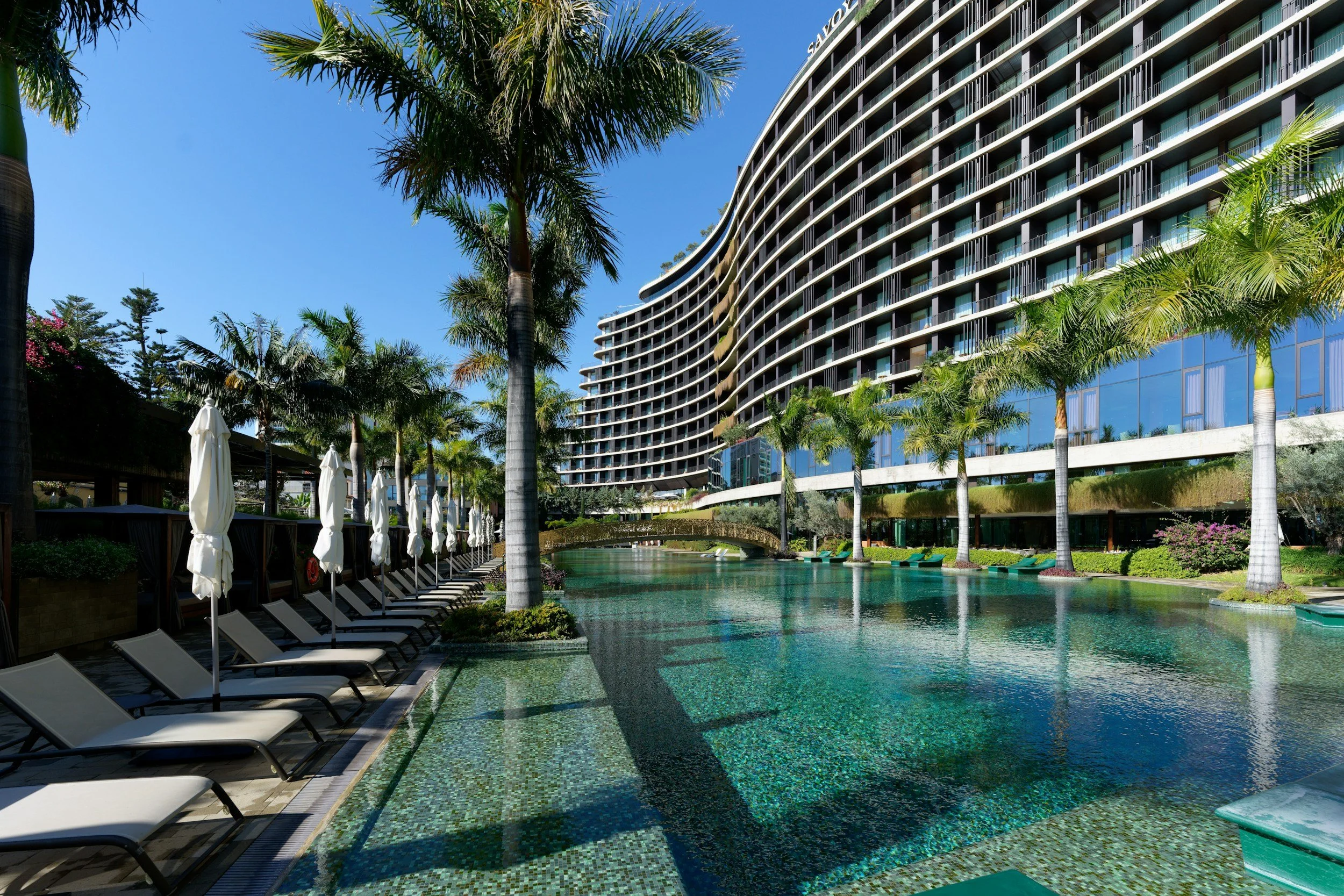
This phenomenon is more common than many travelers expect, and its causes are deeply rooted in design philosophy, service structures, and human psychology.
The Paradox of Polished Perfection
Ultra premium hospitality often pursues immaculate consistency. Every interaction is choreographed, every process optimized. While this delivers reliability, it can sometimes suppress spontaneity and genuine human connection.
Guests may feel expertly managed rather than personally welcomed.
1. Standardized Excellence Reduces Emotional Texture
Luxury brands operate on global standards. Service scripts, greeting rituals, and operational frameworks ensure predictable quality. However, excessive uniformity can make experiences feel interchangeable across properties.
Personal memory thrives on distinctive moments, not flawless repetition.
2. Scale Can Dilute Human Connection
Many expensive hotels are architecturally dramatic, featuring expansive lobbies, vast corridors, and layered service teams. While visually impressive, larger operational ecosystems can reduce the sense of intimacy.
In smaller environments, recognition feels natural. In larger ones, anonymity can quietly persist.
3. Service Precision Versus Authentic Interaction
Highly trained staff deliver polished, elegant service. Yet overly formal interactions may sometimes feel performative rather than intuitive. Guests increasingly value authenticity over ceremony.
Effortless warmth resonates more deeply than perfected protocol.
4. Design Prioritizing Spectacle Over Comfort
Statement architecture and dramatic interiors are hallmarks of premium hospitality. However, design centered heavily on visual impact can occasionally sacrifice emotional comfort. Oversized spaces and minimalist aesthetics may feel awe inspiring but emotionally cool.
Luxury is not only seen. It is felt.
5. Privacy Protocols Can Limit Personalization
High end hotels are meticulous about guest privacy. While essential, strict discretion can inadvertently reduce opportunities for natural familiarity. Staff may avoid assumptions or proactive engagement that could otherwise create personal rapport.
Discretion and warmth must coexist delicately.
6. The Psychology of Elevated Expectations
Price amplifies perception. Guests entering ultra luxury environments unconsciously expect emotional transcendence. When the experience feels merely efficient rather than deeply personal, disappointment can emerge even in objectively exceptional settings.
Expectations reshape reality.
Emotional Warmth as the New Luxury Currency
Modern luxury travelers increasingly seek emotional intelligence rather than theatrical opulence. Recognition, intuitive service, subtle personalization, and human authenticity now define memorable hospitality experiences.
The finest hotels succeed not by impressing guests, but by understanding them.
Rethinking Impersonality in Luxury Hospitality
An expensive hotel rarely feels impersonal due to lack of quality. More often, emotional distance arises from structural design choices, operational scale, and the delicate balance between professionalism and personality.
True luxury feels personal without trying too hard.
Because beyond aesthetics and amenities, hospitality remains a profoundly human experience.
Sources and References
Cornell University School of Hotel Administration
International Journal of Hospitality Management
Journal of Consumer Research
Hospitality Design Industry Studies
Luxury Travel Intelligence Reports
If you are interested in complimentary advice, you can contact James https://jamesnightingall.com/contact