
Why Privacy Beats Amenities at the Top End
Luxury hotels have traditionally competed through scale and spectacle. More facilities, more experiences, more visible indulgence. Yet among the world’s most affluent travellers, preferences often move in the opposite direction.
At the highest tiers of hospitality, privacy frequently becomes more valuable than amenities.
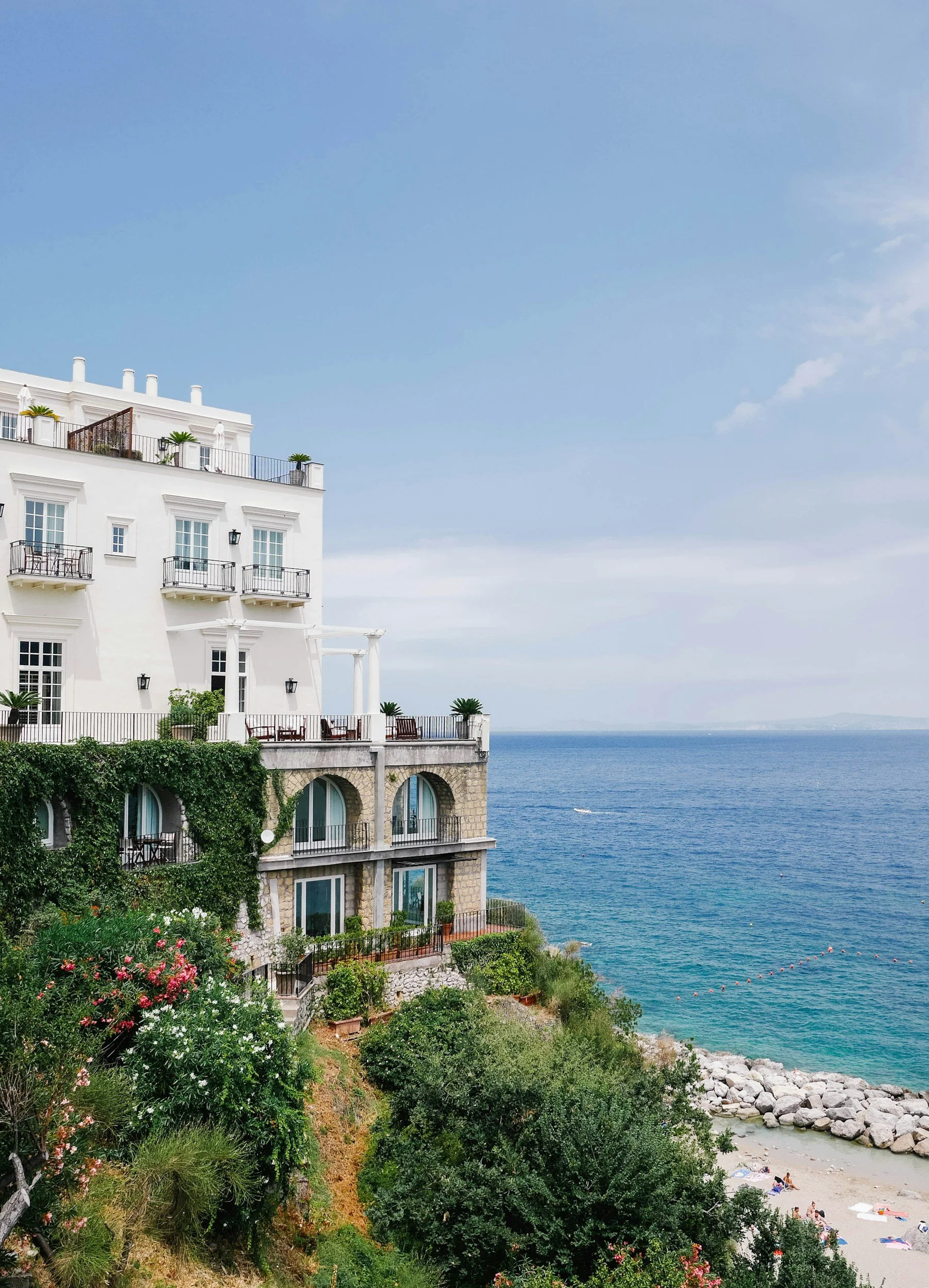
Here is why.
Privacy Cannot Be Easily Replicated
Amenities can be added, expanded, or upgraded.
Restaurants, spas, pools, and lounges are features that capital can build almost anywhere. Privacy is different. It depends on architecture, layout, density, and location. Once a hotel is designed, true privacy is difficult to manufacture later.
Scarcity naturally increases its value.
More Amenities Often Mean More Exposure
Every additional facility introduces activity.
More guests moving through spaces
More staff circulation
More noise and visibility
More social energy
For travellers who prioritise discretion, this density creates friction rather than comfort.
Space Creates Psychological Comfort
Privacy is not just functional. It is emotional.
Quiet environments reduce cognitive load, soften stimulation, and create a sense of ease that busy luxury properties rarely deliver. Guests feel calmer in spaces that do not constantly demand attention.
Stillness itself becomes indulgent.
Control Outweighs Variety
Amenities offer options.
Privacy offers control.
Control over visibility, interaction, rhythm, and environment often carries greater utility for highly affluent travellers than access to additional facilities.
Luxury shifts from abundance to autonomy.
Service Quality Improves With Lower Density
Exceptional service thrives when guest numbers are limited.
Fewer guests allow staff to operate intuitively rather than procedurally. Preferences are learned faster. Interactions feel natural. The experience becomes fluid rather than structured.
Privacy enhances service without altering service.
Security and Privacy Are Deeply Connected
Controlled environments naturally reduce unpredictability.
Limited access points
Reduced guest flow
Greater separation
Lower visibility
Privacy often delivers security benefits without visible intensity.
The Diminishing Return of Excess Amenities
Beyond a certain threshold, additional amenities add little experiential value.
A fourth restaurant rarely transforms a stay.
Another lounge seldom changes comfort levels.
But greater privacy fundamentally alters how a property feels.
Privacy Reduces the Hidden Frictions of Travel
Crowds, noise, waiting, and procedural interruptions all accumulate subtly.
Private environments remove many of these pressures, producing stays that feel effortless rather than orchestrated.
Ease becomes the true marker of luxury.
Emotional Experience Dominates at the Top End
Highly experienced travellers develop sensitivity to atmosphere.
Noise levels
Spatial flow
Guest density
Light and silence
Privacy shapes these variables more than facilities ever can.
Privacy Becomes the Ultimate Amenity
At the highest spending levels, travellers are rarely deprived of comfort or access. What they seek instead is absence of interruption.
Not more stimulation.
But less interference.
Final Thought
Amenities impress. Privacy transforms.
When every material comfort is available across the global luxury landscape, differentiation emerges not from what a hotel adds, but from what it removes.
Space, silence, and separation quietly become the most powerful luxuries of all.
If you are interested in complimentary advice, you can contact James https://jamesnightingall.com/contact