
Why Two Similar Suites Can Differ by £20,000 Per Night
At first glance, two hotel suites may look almost identical. Similar size. Comparable views. Matching amenities. And yet one is priced at £15,000 per night while the other commands £35,000. To most travellers, that gap feels arbitrary.
It is not.
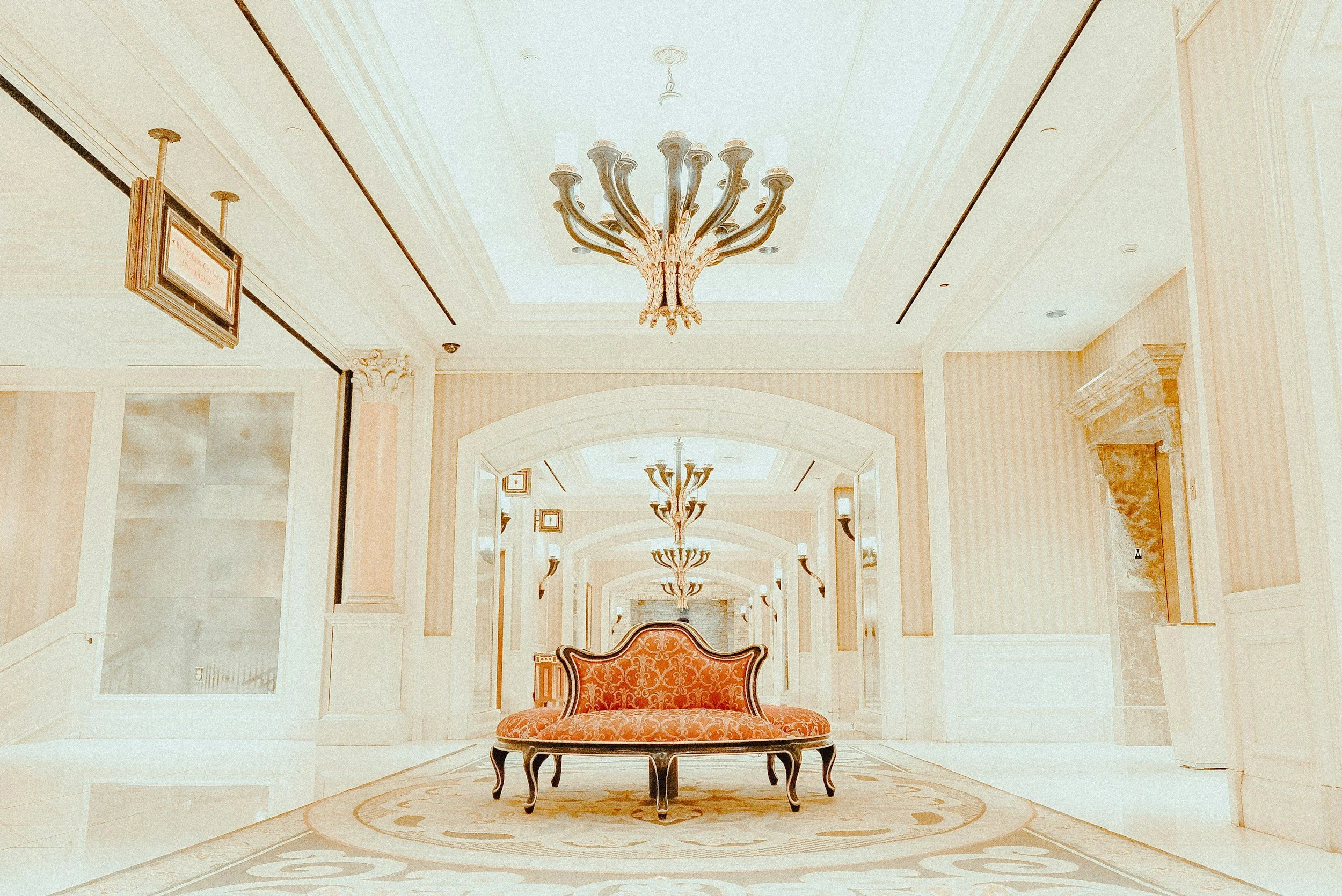
At the highest level of luxury hospitality, pricing is driven less by what you can see and more by what the hotel has to give up to host you.
Here is why two seemingly similar suites can sit worlds apart in price.
One Suite Disrupts the Hotel More Than the Other
The most important factor is operational impact.
Some suites sit quietly within the building. Others require the hotel to reorganise itself. Private entrances may need to be activated. Elevators restricted. Adjacent rooms blocked. Staff reassigned.
If hosting a guest in one suite forces the hotel to lose flexibility or revenue elsewhere, the price rises accordingly. You are compensating the hotel for disruption, not décor.
Privacy Requirements Change the Economics
Two suites can look similar but offer very different levels of privacy.
One may share corridors, lifts, or sightlines with other guests. The other may have controlled access, private arrivals, or separation from public areas.
True privacy is not architectural alone. It is operational. And operational privacy costs money every single night it is maintained.
That cost shows up in the rate.
One Suite Anchors the Hotel’s Identity
Some suites exist as branding assets rather than accommodation inventory.
A hotel’s most expensive suite sets its global positioning. It signals status, exclusivity, and ambition. The price itself becomes part of the story.
Even if two suites offer similar comfort, only one may carry that symbolic weight. Hotels price that symbolism deliberately because it lifts the value of everything else in the building.
Flexibility Is Built Into One Rate and Not the Other
At the top end, flexibility is expensive.
Late departures. Early arrivals. Holding the suite empty before or after a stay. Adjusting service schedules around one guest.
If a suite is priced to allow elasticity without negotiation, that optionality is already baked into the rate. Another suite may require additional charges to achieve the same flexibility.
You are paying for freedom whether you use it or not.
Service Density Is Not Equal
Two suites can share square footage but require different levels of staffing.
One may be supported by standard housekeeping and concierge teams. The other may trigger dedicated butler coverage, enhanced security coordination, or continuous management oversight.
The more human attention a suite demands, the higher its baseline cost. Labour, not marble, drives the difference.
The View May Be Similar. The Exposure Is Not
A view can look the same while carrying different consequences.
One suite may overlook a landmark while remaining visually shielded. Another may require blinds, glazing, or scheduling to protect guest privacy.
If the hotel must actively manage exposure to maintain discretion, the rate reflects that effort.
One Suite Is Replaceable. The Other Is Not
Hotels often have multiple large suites. They rarely have more than one that is truly irreplaceable.
If a suite is the only one of its kind in the building or the city, it exists outside internal competition. The hotel does not need to price it defensively.
Rarity gives pricing freedom.
Behaviour Is Priced, Not Just Space
Hotels price suites based on how guests typically behave in them.
Some suites attract quiet stays. Others attract hosting, meetings, late nights, or high profile presence. The hotel prices for maximum operational demand, not minimum usage.
Even if you personally plan to be low impact, the rate assumes otherwise.
The Buyer Is Different
At this level, pricing is also shaped by who books the suite.
Some suites are chosen by travellers who compare options. Others are chosen by travellers who select outcomes. When price sensitivity disappears, pricing logic changes.
Hotels know which suites are subject to comparison and which are not.
Final Thought
When two similar suites differ by £20,000 per night, the difference is rarely about size or finishes.
It is about disruption, privacy, flexibility, staffing, symbolism, and rarity. One suite fits into the hotel. The other reshapes it.
Luxury pricing is not about what you see.
It is about what the hotel quietly rearranges so you never have to notice.
That rearrangement is where the extra £20,000 lives.
If you are interested in complimentary advice, you can contact James https://jamesnightingall.com/contact