
Why Ultra-Wealthy Clients Do Not Use Airbnb Luxe for Long-Stay Residencies
In recent years, the global villa market has expanded significantly, with platforms such as Airbnb Luxe entering the luxury short-stay segment. However, while Airbnb Luxe appeals to high-end leisure travellers, it has not become a preferred channel for ultra-high-net-worth (UHNW) households seeking long-stay or seasonal residencies. This divergence is driven not by price considerations, but by service structure, privacy requirements, operational continuity, and family office standards.
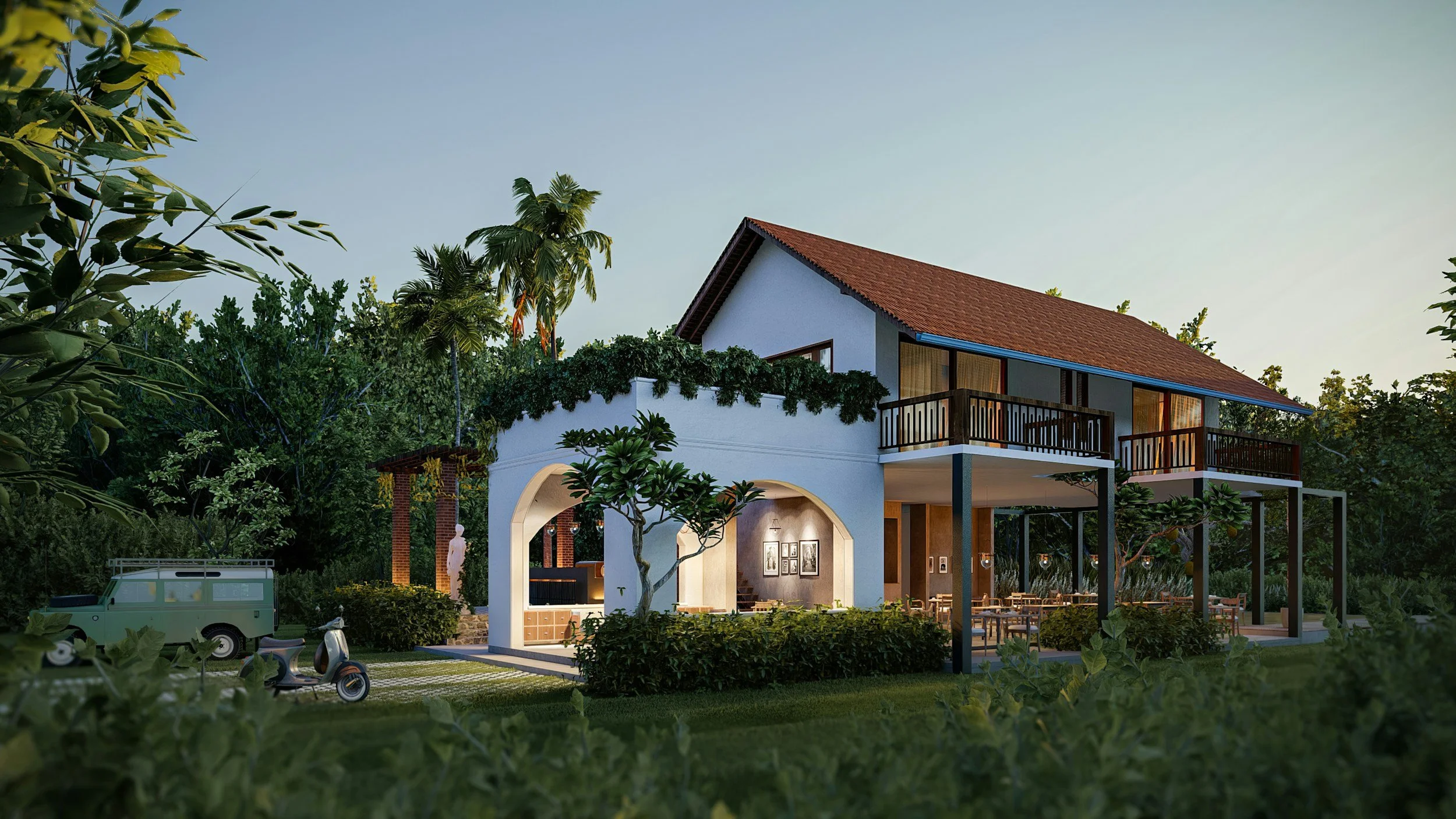
Insights from Knight Frank, Savills World Research, Wealth-X, Christie’s International Real Estate, and Campden Wealth indicate a sustained preference among UHNW clients for private estate operators, specialist villa agencies, and brokerage-led networks over mass platforms for long-duration stays.
1. Long-Stay UHNW Travel Requires a Residential, Not Transactional, Framework
Airbnb Luxe operates primarily as a booking platform for short-duration luxury travel. UHNW long-stay requirements are fundamentally different and align more closely with private residential living, where clients expect:
Private chef and accompanying kitchen brigade
House manager or estate director
Dedicated butlers and service staff
Daily housekeeping and laundry teams
Chauffeur and secure drivers
On-request childcare, tutors, or medical support
This staffing model reflects standards found in UHNW primary homes. According to Campden Wealth, UHNW families increasingly travel with established routines, requiring environments with continuity of household operations, which platform-based models are not structured to deliver.
2. Privacy and Discretion Policies Do Not Align With UHNW Protocols
For UHNW families, privacy is an operational priority. Airbnb Luxe listings are not designed to guarantee:
Exclusively vetted service staff
Controlled arrival and departure procedures
Confidential guest circulation
Back-of-house logistics
Secure supplier access
NDA-compliant staffing
Knight Frank’s Wealth Report consistently ranks privacy and discretion above many traditional luxury drivers, particularly for clients with public profiles, corporate exposure, or security considerations. Dedicated private estate operators provide these assurances as standard practice for long-stay arrangements.
3. Long-Stay Clients Require Estate-Level Management, Not Third-Party Contractors
Long-stay UHNW users expect holistic operational management equivalent to a private estate, not isolated concierge services. Airbnb Luxe typically relies on:
Rotating or outsourced service providers
Third-party housekeeping
External concierge contractors
By contrast, UHNW estate operations rely on consistent teams who understand dietary requirements, scheduling preferences, logistical patterns, and family dynamics. This continuity is essential for multi-week and seasonal stays.
4. Due Diligence Requirements Exceed Platform Transparency
UHNW decision-making for long-stay residences involves due diligence beyond standard amenity descriptions. Family offices, executive assistants, and private advisors require detailed information on:
Staff training and vetting
Security infrastructure and protocols
Communications and IT networks
Maintenance and mechanical systems
Child-safety provisions
Legal and insurance structures
Marine or aviation access
Regional schooling or tutoring options (for seasonal moves)
Airbnb Luxe does not provide this depth of disclosure within its listing structure. Specialist villa brokers and estate operators routinely supply such data because it is essential to UHNW selection criteria.
5. Brand Positioning Does Not Match UHNW Procurement Channels
Despite the Luxe designation, Airbnb remains a consumer-facing hospitality platform. UHNW households—especially those structured through family offices, private banks, or corporate travel managers—tend to procure long-stay residences through:
Private brokerage networks
Specialist villa operators
Dedicated estate management companies
Cultural or diplomatic networks
Legal and advisory intermediaries
According to Wealth-X, UHNW households prefer channels that ensure confidentiality, controlled visibility, and direct communication with decision-makers, rather than open marketplace platforms.
6. Seasonal and Residency-Led Demand Has Different Structural Drivers
The typical Airbnb Luxe use case is short-term experiential travel. The UHNW long-stay use case is residential and operational, often involving:
Seasonal relocations (4–12 weeks)
Educational cycles
Confidential business activity
Family assemblies
Health and wellness programs
Pre-yachting or post-yachting positioning
Dual-home living patterns
Savills World Research reports sustained growth in UHNW demand for villas that function as temporary primary residences. This includes estate staffing, concierge infrastructure, and privacy protocols absent from platform-led models.
7. UHNW Clients Prioritise Controlled Environments Over Platform Convenience
UHNW long-stay priorities typically include:
Security and access control
Privacy and low visibility
Staff continuity
Operational discretion
Due diligence transparency
Family office compatibility
Tailored culinary programs
Safe child and elder environments
These are residential needs, not purely hospitality requirements. Dedicated private villa operators, estate companies, and brokerage-led networks are structured to deliver these outcomes.
Conclusion
Ultra-wealthy clients do not avoid Airbnb Luxe due to budget sensitivity, but because:
Their long-stay requirements are residential and operational
Privacy and discretion standards exceed platform capabilities
Estate-level staffing and continuity are non-negotiable
Family offices and advisory networks require due diligence
Seasonal residency patterns demand infrastructure, not listings
As UHNW mobility increases, research from Knight Frank, Savills, and Wealth-X indicates that demand will continue to consolidate around fully staffed private estates, independent luxury villas with estate management, and broker-curated properties, rather than platform-based luxury inventory.
If you are interested in complimentary advice, you can contact James https://jamesnightingall.com/contact