
Why Ultra-Wealthy Guests Avoid Peak Season
Peak season is traditionally marketed as the ideal time to travel. Perfect weather, vibrant atmosphere, maximum energy. For many travellers, this timing represents aspiration.
Yet among ultra wealthy guests, preferences often move in the opposite direction.
Rather than competing for the busiest weeks, highly affluent travellers frequently seek the quiet edges of the calendar. Not despite the lower activity, but because of it.
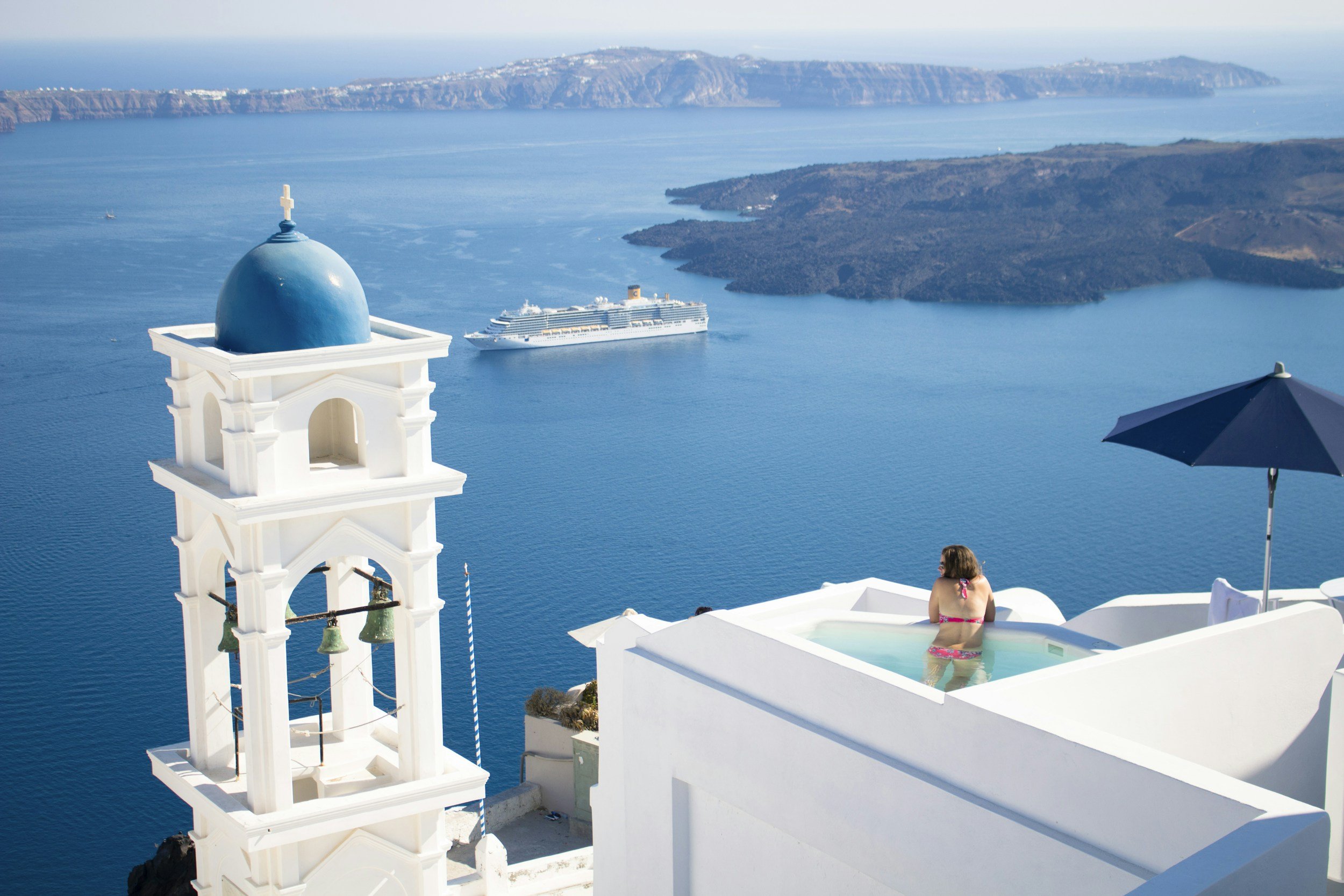
Here is why peak periods lose their appeal at the very top of the market.
Privacy Diminishes as Occupancy Rises
Peak season inevitably brings density.
More guests
More movement
More visibility
More noise
Even the most luxurious property feels different at full capacity. Shared spaces become active. Service rhythms accelerate. The environment becomes socially charged.
For travellers who value discretion, this shift alters the experience fundamentally.
Service Precision Softens Under Volume
Exceptional service depends on bandwidth.
As occupancy increases, staff attention is distributed across more guests. Even highly trained teams operate differently when demand intensifies.
Off peak stays often feel more intuitive, more relaxed, and more personalised simply because fewer demands compete for attention.
Movement Becomes Friction Heavy
Peak periods introduce logistical complexity.
Airports are crowded
Transfers slow down
Reservations tighten
Schedules compress
While these inconveniences are manageable, they introduce subtle friction that experienced travellers prefer to avoid entirely.
Ease becomes more valuable than atmosphere.
The Experience Feels Less Exclusive
Luxury and crowd density rarely coexist comfortably.
When every suite is occupied and every facility is active, the psychological sense of rarity declines. The property feels popular rather than private.
Ultra wealthy guests frequently prioritise environments that feel spacious and unhurried.
Pricing Becomes Irrelevant as a Decision Driver
Peak season premiums rarely deter UHNW travellers financially.
The avoidance is not economic. It is experiential. Higher rates during peak weeks do not compensate for reduced privacy and increased activity.
Value is measured in comfort, not cost.
Flexibility Improves Dramatically Off Peak
Quieter periods unlock options.
Better room selection
Greater schedule adaptability
More dining availability
More responsive service
The entire stay becomes easier to shape around personal preferences.
Control quietly improves satisfaction.
Destinations Reveal Different Personalities
Locations behave differently outside peak cycles.
Cities feel calmer
Resorts feel more spacious
Landscapes feel more immersive
Without crowd pressure, environments often feel more authentic and emotionally accessible.
Stillness deepens presence.
Psychological Fatigue Declines
High visibility environments generate subtle cognitive load.
Noise, activity, and social awareness require constant low level processing. For individuals accustomed to intense professional and social demands, quieter travel periods provide genuine mental relief.
Silence becomes restorative.
Security and Discretion Improve Naturally
Lower occupancy simplifies operational dynamics.
Fewer variables
Reduced unpredictability
Greater environmental control
Privacy and comfort often increase without visible intervention.
Off Peak Travel Aligns With Lifestyle Autonomy
Ultra wealthy travellers are rarely constrained by rigid calendars.
They can select travel windows based on experience quality rather than seasonal norms. Avoiding peak periods is often a rational optimisation rather than a preference anomaly.
Freedom of timing becomes a luxury asset.
Final Thought
Peak season is designed around collective demand.
Ultra wealthy guests travel according to individual comfort.
When privacy, ease, and control define satisfaction more than social energy or predictable weather patterns, quieter periods frequently deliver superior experiences.
At the highest levels of travel, the best time to go is often when fewer people choose to.
If you are interested in complimentary advice, you can contact James https://jamesnightingall.com/contact