
Hotels Designed for Total Seclusion
Within the uppermost tier of luxury travel, seclusion is not merely a preference. It is an operational requirement. For globally mobile ultra high net worth individuals, privacy has evolved from a passive amenity into a defining asset characteristic. Visibility, density, and social unpredictability impose cognitive and security costs that materially shape destination selection. As wealth concentration and public exposure increase, demand for controlled environments has intensified across both hospitality and prime residential sectors.
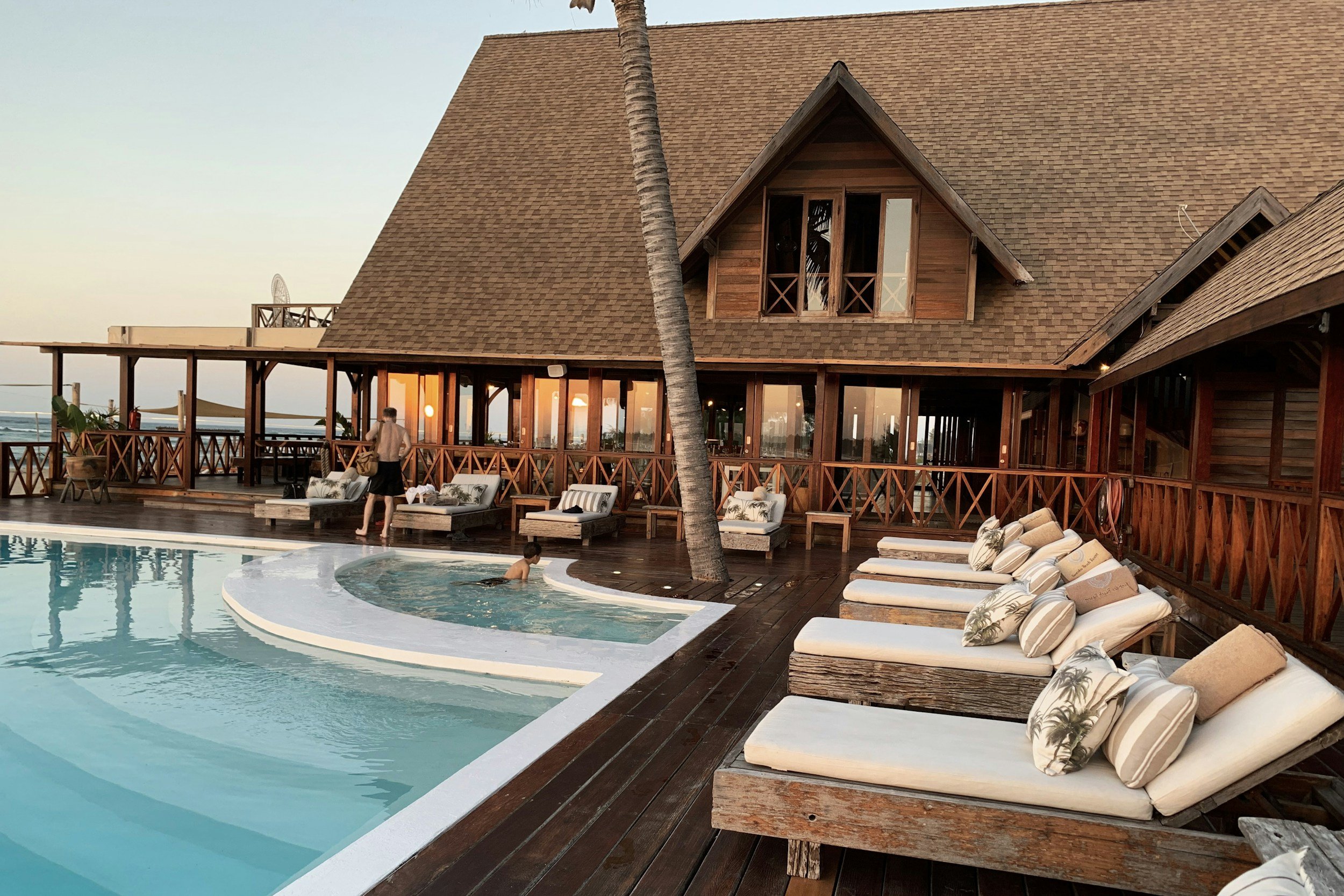
Knight Frank, Deloitte, and McKinsey have each observed that modern luxury increasingly pivots toward discretion, autonomy, and low visibility consumption patterns. Hotels designed for total seclusion represent the most concentrated expression of this shift. Their value lies not in spectacle, but in environmental sovereignty.
1. Private Island Resorts as Absolute Scarcity Environments
No hospitality model embodies seclusion more completely than the private island. Geographic isolation naturally constrains access, simplifies security perimeters, and eliminates the ambient density associated with conventional destinations. Guest numbers remain structurally capped by landmass rather than marketing strategy.
Deloitte’s luxury travel research consistently notes rising demand for fully privatised resort environments. For high profile travellers, separation from uncontrolled public space delivers both psychological relief and risk reduction.
2. Remote Wilderness Lodges and Spatial Buffering
Properties embedded within deserts, polar regions, dense forests, or mountainous terrains derive privacy from environmental vastness. Distance itself functions as infrastructure. The surrounding landscape creates a natural buffer against intrusion, noise, and observational exposure.
Knight Frank’s wealth and lifestyle analyses frequently highlight that experiential scarcity and geographic remoteness amplify perceived exclusivity among ultra affluent travellers.
3. Ultra Low Density Architectural Models
Certain hotels achieve seclusion through design logic rather than geography. Large estate style layouts, detached villas, expansive sightline control, and carefully managed circulation pathways reduce guest interaction frequency. Density calibration becomes a deliberate engineering exercise.
McKinsey’s observations on luxury consumption behaviour emphasise the growing premium attached to environments that minimise social friction and maximise autonomy.
4. Reservation Structures That Control Visibility
Seclusion is often reinforced by booking architecture. Minimum stay policies, invitation oriented access, referral driven reservations, and relationship prioritisation mechanisms regulate guest composition. Informational scarcity protects experiential integrity.
UBS analyses of high net worth behaviour suggest that controlled access environments attract clients seeking insulation from algorithmic discovery and mass visibility dynamics.
5. Service Design That Preserves Anonymity
Operational discretion extends beyond physical design. Hotels optimised for total privacy develop staffing protocols, movement choreography, and communication systems intended to minimise guest exposure. Interactions occur seamlessly without perceptible operational theatre.
This mirrors dynamics observed in ultra prime residential environments where privacy infrastructure defines perceived value.
6. Symbolic Versus Functional Seclusion
Not all secluded hotels are geographically remote. Certain urban properties deliver functional seclusion through controlled access floors, private entrances, and internalised environments insulated from surrounding density. Here, privacy is engineered within visibility rather than derived from isolation alone.
Knight Frank’s global city research frequently notes that high profile individuals may require proximity to financial or political centres without sacrificing discretion.
7. The Psychology of Seclusion in Modern Wealth Culture
Seclusion reflects broader behavioural shifts among globally exposed individuals. Privacy preserves cognitive bandwidth, reduces social signalling pressures, and restores environmental predictability. For ultra affluent travellers, absence of visibility increasingly outweighs traditional luxury markers.
McKinsey and Deloitte both observe that inconspicuous luxury continues to gain prominence as wealth holders recalibrate consumption priorities.
Conclusion: Seclusion as a Structural Luxury Asset
Hotels designed for total seclusion reveal how hospitality evolves in response to wealth psychology and risk perception. Privacy is no longer a supplementary feature. It is a primary value driver shaping architecture, operations, pricing, and reputation. As global wealth expands and visibility intensifies, environments capable of delivering true seclusion function less as accommodations and more as temporary private domains.
In extreme luxury markets, rarity is defined not by ornamentation, but by controlled absence.
If you are interested in complimentary advice, you can contact James https://jamesnightingall.com/contact