
How Luxury Travel Is Changing After Covid
The global travel landscape experienced an unprecedented disruption during the Covid era. Yet beyond operational challenges and temporary restrictions, a deeper transformation unfolded within traveller psychology itself.
Luxury travel did not simply pause.
It evolved.
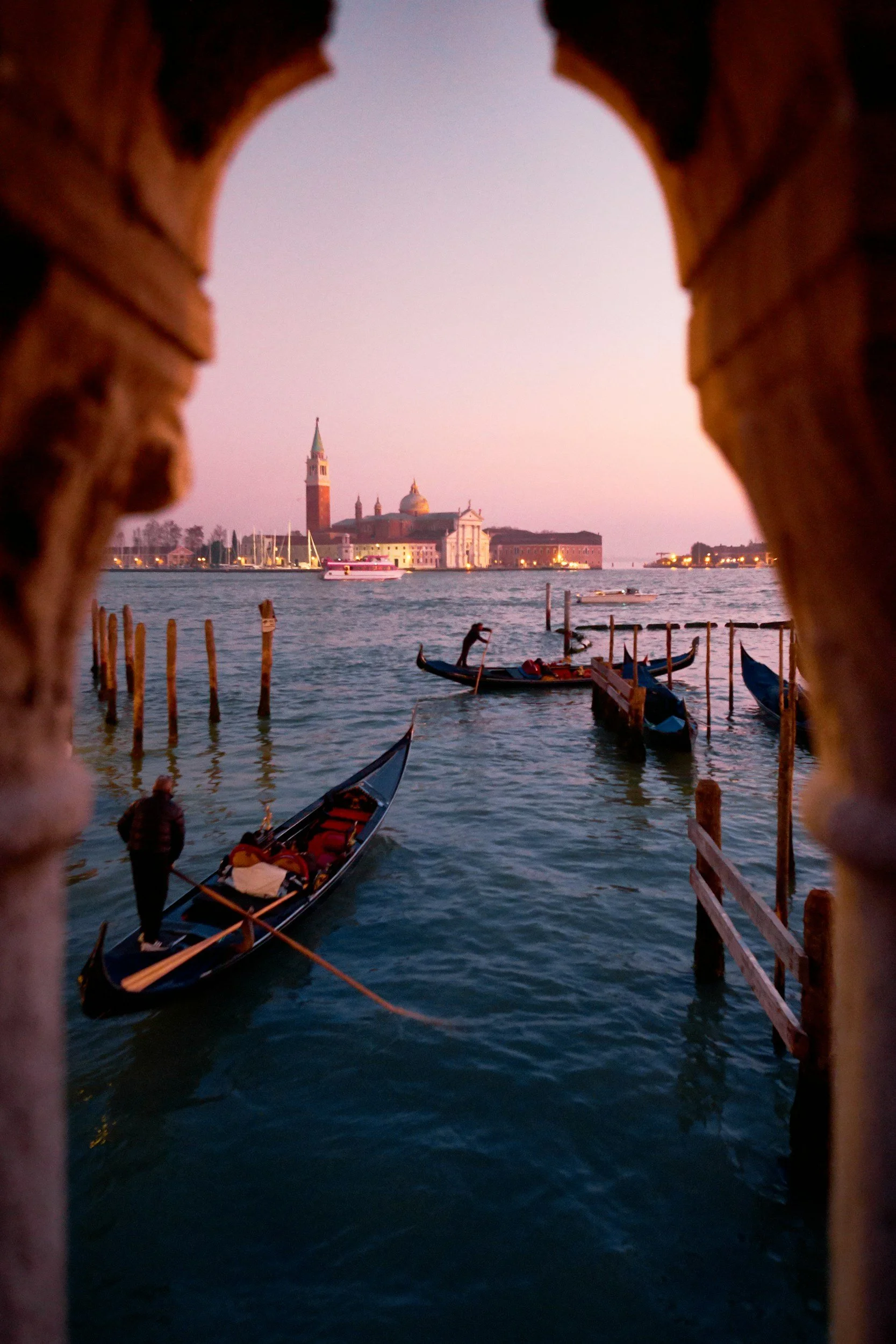
Expectations surrounding privacy, flexibility, space, and wellbeing have shifted in ways that continue to influence decision making among high value travellers. The post pandemic environment reflects not a return to previous norms, but a recalibration of priorities.
1. Privacy Has Become Central Rather Than Aspirational
Privacy has moved from premium feature to core requirement.
Travellers increasingly favour environments that minimise density, reduce unsolicited interaction, and offer greater spatial control. Villas, residence style hotels, and low occupancy properties have gained prominence as a result.
Seclusion is now interpreted as a primary luxury asset.
2. Preference For Space Over Spectacle
Physical space has acquired heightened importance.
Larger suites, private outdoor areas, and expansive layouts increasingly outweigh ornamental grandeur. Guests often associate generous space with safety, comfort, and psychological ease.
Volume influences perceived wellbeing.
3. Flexibility And Cancellation Sensitivity
Rigid booking structures have lost appeal.
Uncertainty during the pandemic reshaped traveller attitudes toward commitment. Flexible policies, adaptive itineraries, and responsive service frameworks now exert stronger influence on property selection.
Certainty is valued, but flexibility is essential.
4. Rise Of Private And Controlled Travel Environments
Shared travel ecosystems have become less attractive to certain segments.
Private transfers, chartered experiences, and controlled access accommodations offer predictability and reduced exposure. This shift reflects behavioural adaptation rather than temporary caution.
Control enhances comfort.
5. Wellness And Psychological Comfort Priorities
Wellbeing considerations have expanded beyond spa amenities.
Air quality, noise environment, crowding levels, and sensory calm increasingly shape perceptions of quality. Luxury travellers now frequently evaluate destinations through a holistic comfort lens.
Health perception influences destination desirability.
6. Reduced Attraction To High Density Tourism Hubs
Overcrowding has acquired new psychological associations.
Destinations previously celebrated for vibrancy may now be evaluated for congestion, friction, and overstimulation. Lower density alternatives increasingly attract discerning travellers seeking equilibrium.
Tranquillity carries new value.
7. Longer Stays And Behavioural Shifts
Travel patterns demonstrate increased duration sensitivity.
Remote work integration and evolving lifestyle flexibility enable extended stays. Accommodation preferences increasingly resemble residential environments rather than transient lodging.
Hospitality adapts to habitation rather than short occupancy.
8. Reinterpretation Of Luxury Itself
The definition of luxury has subtly but meaningfully changed.
Visible opulence, while still appreciated, competes with less tangible qualities. Privacy, calm, flexibility, and frictionless experience increasingly dominate value perception among experienced travellers.
Luxury becomes experiential rather than demonstrative.
Why These Shifts Persist Beyond The Pandemic
Behavioural adaptations rarely reverse completely.
Traveller expectations shaped by prolonged disruption tend to stabilise into enduring preferences. The emphasis on privacy, space, and psychological comfort reflects structural evolution rather than temporary response.
Hospitality ecosystems continue to adapt accordingly.
A Practical Perspective On Post Pandemic Luxury Travel
The post Covid era has not diminished luxury travel.
It has refined it.
Discerning travellers increasingly seek environments offering control, comfort, and emotional ease. Properties that respond to these priorities often outperform those relying solely on traditional prestige markers.
In modern luxury travel, experience quality is defined less by spectacle and more by how effortlessly a journey unfolds.
Sources and References
World Travel and Tourism Council travel behaviour research
McKinsey consumer sentiment and travel studies
Deloitte hospitality and travel industry insights
Cornell University School of Hotel Administration post pandemic analysis
Journal of Travel Research behavioural trend findings
If you are interested in complimentary advice, you can contact James https://jamesnightingall.com/contact