
Why Smaller Luxury Hotels Are Winning
Grand entrances, expansive lobbies, and vast inventories of rooms have long conveyed prestige and operational capability. Yet a notable shift is unfolding within the upper tiers of travel. Smaller luxury hotels, once considered niche or boutique alternatives, increasingly command the attention of discerning travellers.
This evolution is neither accidental nor aesthetic.
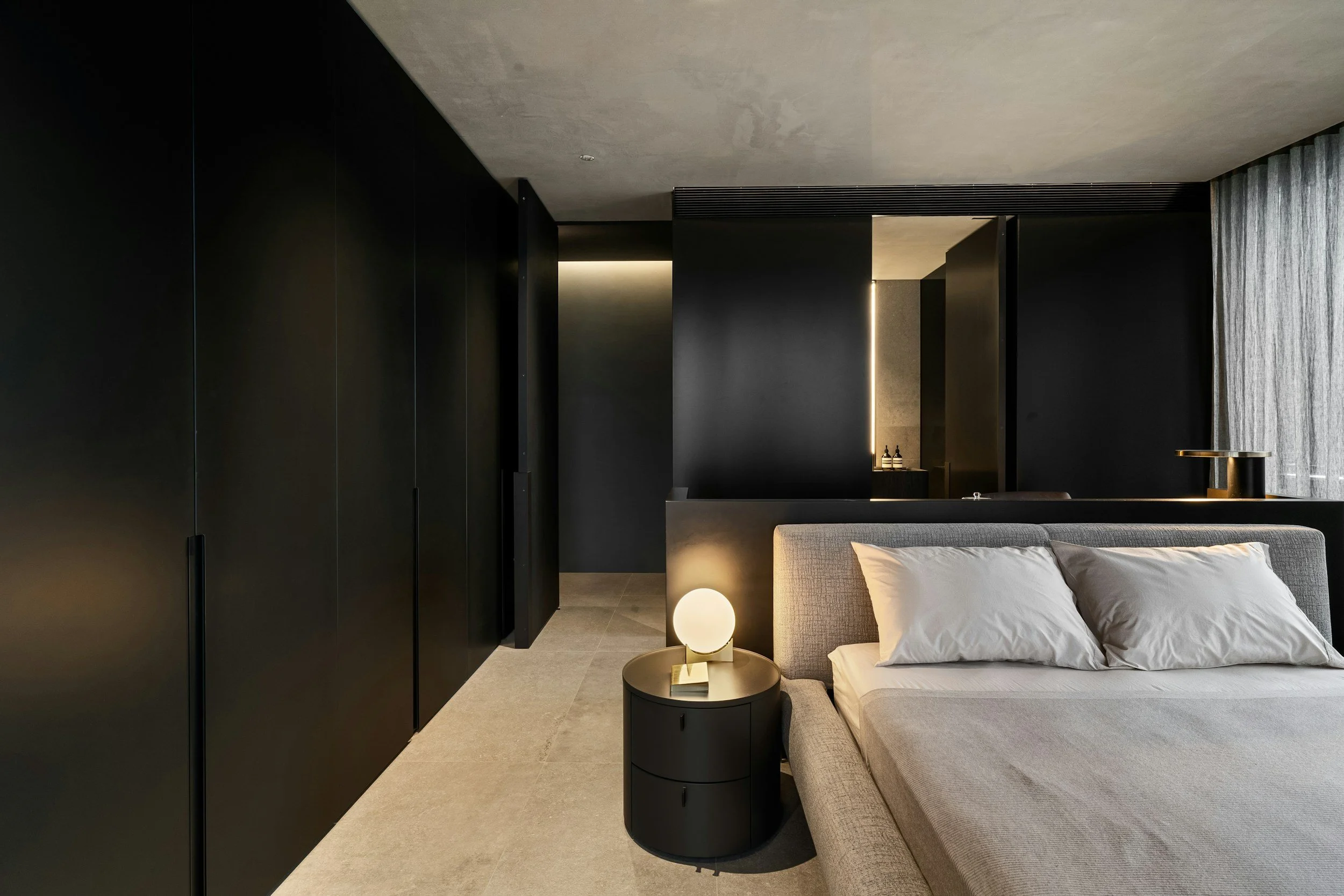
It reflects changing expectations around privacy, experience quality, and psychological comfort.
1. Intimacy Enhances Perceived Exclusivity
Exclusivity is deeply connected to density.
Properties with fewer rooms naturally reduce guest concentration, communal congestion, and environmental noise. The resulting atmosphere often feels calmer, more private, and more controlled.
Scarcity of space amplifies perceived privilege.
2. Personalisation Becomes Operationally Feasible
Smaller inventories enable deeper guest familiarity.
Staff can recognise preferences, anticipate routines, and adapt services with greater precision. This level of attentiveness becomes increasingly difficult within large scale hospitality ecosystems.
Individualisation thrives in contained environments.
3. Privacy Emerges As A Structural Advantage
Privacy is not solely a service feature.
It is a spatial condition.
Smaller hotels typically generate reduced foot traffic, fewer transient interactions, and diminished observational exposure. For many high value travellers, this characteristic outweighs visible extravagance.
Discretion is reinforced by scale.
4. Atmosphere Feels Less Institutional
Large properties often resemble operational systems.
Smaller hotels frequently evoke residential or private residence qualities. Guests experience environments that feel lived rather than managed, enhancing emotional comfort and psychological ease.
Scale influences emotional perception.
5. Noise And Sensory Density Are Naturally Reduced
Guest experience is profoundly shaped by sensory conditions.
Lower occupancy levels frequently translate into quieter corridors, calmer shared spaces, and diminished ambient disruption. Such environments align closely with modern luxury preferences centred on tranquillity.
Silence becomes experiential capital.
6. Architectural Identity And Character Strengthen
Smaller hotels often emphasise distinctiveness.
Design, narrative, and spatial composition may reflect stronger local integration and personality. Without the constraints of large scale replication, properties can cultivate highly individualised identities.
Character resists standardisation.
7. Service Interactions Feel More Human
Guest perception is heavily influenced by interpersonal dynamics.
Contained staff guest ratios often allow interactions to feel natural rather than procedural. This subtle shift enhances warmth, authenticity, and emotional connection.
Hospitality remains fundamentally relational.
8. Traveller Psychology Favouring Control And Calm
Modern luxury travellers increasingly prioritise autonomy.
Lower density environments offer greater perceived control over space, movement, and experience rhythm. Smaller hotels inherently satisfy these psychological preferences.
Comfort becomes behavioural rather than visual.
Why Smaller Luxury Hotels Continue To Gain Preference
The appeal of reduced scale reflects rational behavioural adaptation.
Discerning guests increasingly evaluate hospitality environments not solely by visual drama but by privacy dynamics, sensory comfort, and experiential fluidity. Smaller hotels frequently excel across these dimensions.
Prestige no longer depends exclusively on magnitude.
A Practical Perspective On Hospitality Evolution
Large luxury hotels retain undeniable advantages.
Infrastructure depth, amenity diversity, and global recognition remain influential. Yet for many travellers, emotional comfort, privacy, and service nuance increasingly dominate decision making.
In ultra refined hospitality, smaller environments often deliver disproportionately richer experiences.
Subtlety, once secondary, is becoming decisive.
Sources and References
World Travel and Tourism Council hospitality behaviour research
McKinsey luxury consumer preference studies
Deloitte travel and hospitality industry analysis
Cornell University School of Hotel Administration guest experience insights
Journal of Hospitality and Tourism Research perception studies
If you are interested in complimentary advice, you can contact James https://jamesnightingall.com/contact