
The Appeal of Minimalist Luxury
Minimalist luxury has become one of the defining trends in ultra high net worth travel and real estate. It replaces visible opulence with space, restraint and precision, appealing to individuals who value control, privacy and clarity over display.
This shift is not aesthetic alone. It reflects a deeper change in how luxury is perceived and experienced.
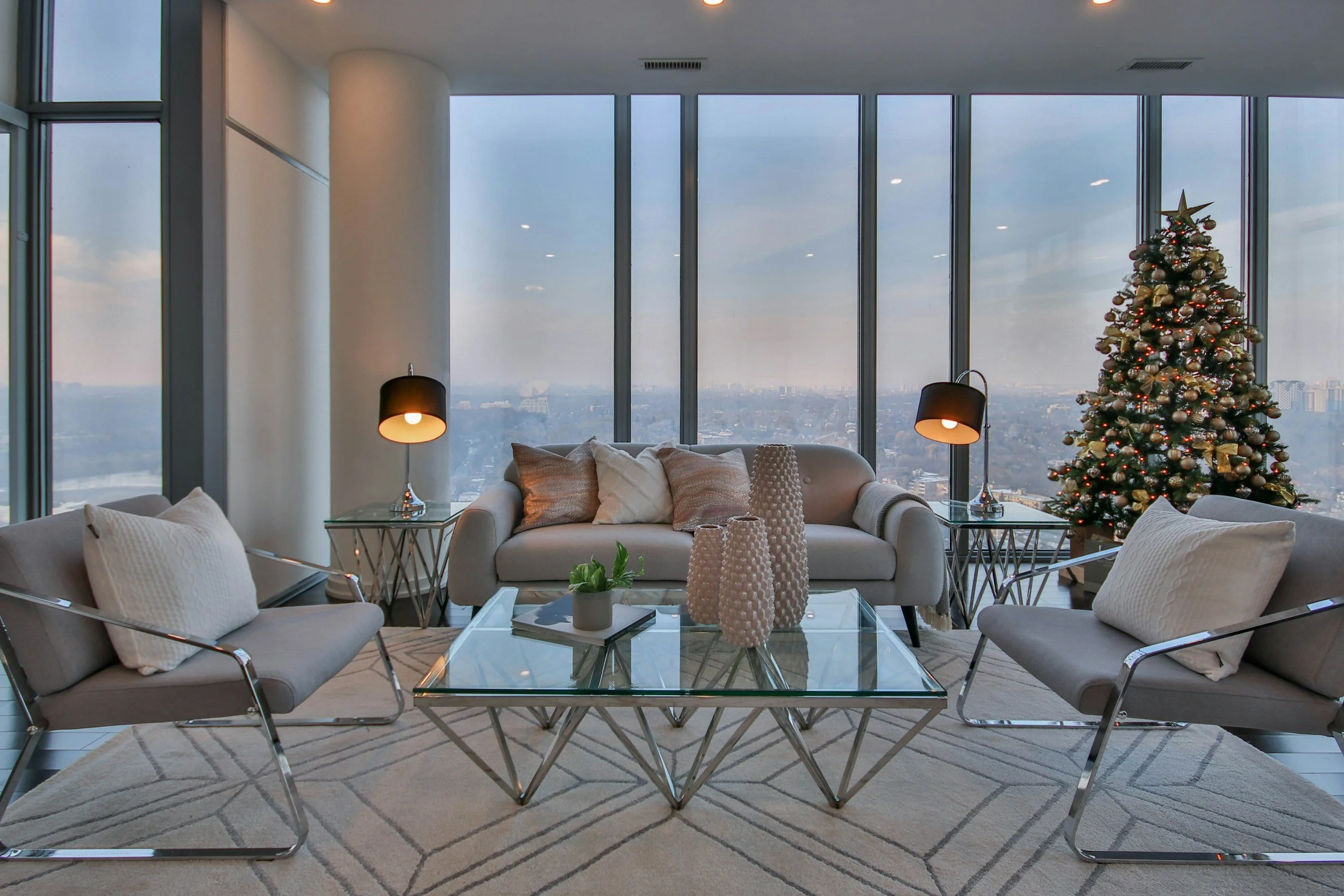
From Display to Restraint
Traditional luxury emphasised abundance—ornate design, layered materials and visible wealth. Minimalist luxury takes the opposite approach.
It focuses on:
Clean architectural lines
Neutral palettes and natural materials
Elimination of unnecessary detail
At properties such as Aman Tokyo, this philosophy is expressed through proportion, light and symmetry rather than decoration.
The result is an environment where quality is felt rather than displayed.
Space as the Ultimate Status Symbol
In ultra-luxury contexts, space has replaced ornamentation as the primary indicator of value.
Minimalist environments prioritise:
Larger rooms and open layouts
High ceilings and uninterrupted sightlines
Low-density planning
This approach aligns with the preferences of ultra high net worth individuals, for whom privacy and spatial freedom outweigh visual excess.
Psychological Clarity and Control
Minimalist luxury environments are designed to reduce visual and cognitive noise.
This creates:
A sense of calm and focus
Greater control over one’s surroundings
A clearer distinction between private and shared spaces
For many travellers, particularly those operating in high-pressure environments, this clarity is a key part of the experience.
Craftsmanship Over Decoration
Minimalism does not reduce cost—it redirects it.
Instead of decorative layering, investment is placed in:
High-quality materials such as stone, wood and glass
Precision in construction and detailing
Subtle transitions between indoor and outdoor spaces
At properties such as Amanzoe, craftsmanship is embedded within the structure rather than applied as surface detail.
Discretion and Understatement
Minimalist luxury aligns closely with the values of discretion and privacy.
Environments are designed to:
Avoid attention and visual excess
Blend into natural or urban surroundings
Create a sense of exclusivity without overt signalling
This makes minimalist luxury particularly appealing to ultra high net worth individuals who prefer low visibility over conspicuous consumption.
Integration with Nature
Minimalist design often emphasises a strong connection to the surrounding environment.
This includes:
Large windows and open-air layouts
Use of natural light as a primary design element
Seamless transitions between interior and exterior spaces
At properties such as Amangiri, the landscape becomes part of the architecture, reinforcing the sense of place.
Operational Efficiency and Service
Minimalist environments also support Aman’s approach to service:
Fewer visual barriers allow for discreet movement of staff
Simplified layouts enhance operational efficiency
Guests experience fewer interruptions and smoother service delivery
This reinforces the concept of invisible luxury, where service is present but not intrusive.
Alignment with Modern UHNW Values
The rise of minimalist luxury reflects broader shifts among ultra high net worth individuals:
Preference for experiences over possessions
Focus on wellness and mental clarity
Reduced interest in overt displays of wealth
Greater emphasis on authenticity and environment
Minimalism supports these values by creating spaces that feel intentional rather than excessive.
Minimalism in Real Estate and Residences
This philosophy extends beyond hospitality into ultra-prime real estate.
Branded residences and developments increasingly feature:
Clean, architectural forms
Limited but high-quality materials
Emphasis on light, space and layout
These properties appeal to buyers seeking long-term liveability rather than visual impact alone.
Conclusion
The appeal of minimalist luxury lies in its ability to redefine value. Instead of adding more, it focuses on removing what is unnecessary and refining what remains.
For ultra high net worth individuals, this creates environments that prioritise:
Space over ornamentation
Privacy over visibility
Quality over quantity
Minimalist luxury is not a reduction of luxury—it is its most controlled and deliberate expression.
Sources
Luxury design and architecture publications
Aman Group design philosophy and property case studies
UHNW lifestyle and travel trend reports
Global real estate and hospitality design analyses
If you are interested in complimentary advice, you can contact James https://jamesnightingall.com/contact