
The Difference Between Luxury and Ultra-Luxury
The terms “luxury” and “ultra-luxury” are often used interchangeably, but in practice they represent fundamentally different models of service, design and value. The distinction is not about higher price alone—it is about how the experience is structured and delivered.
For ultra high net worth travellers, the difference is defined by privacy, control and scarcity, rather than incremental upgrades.
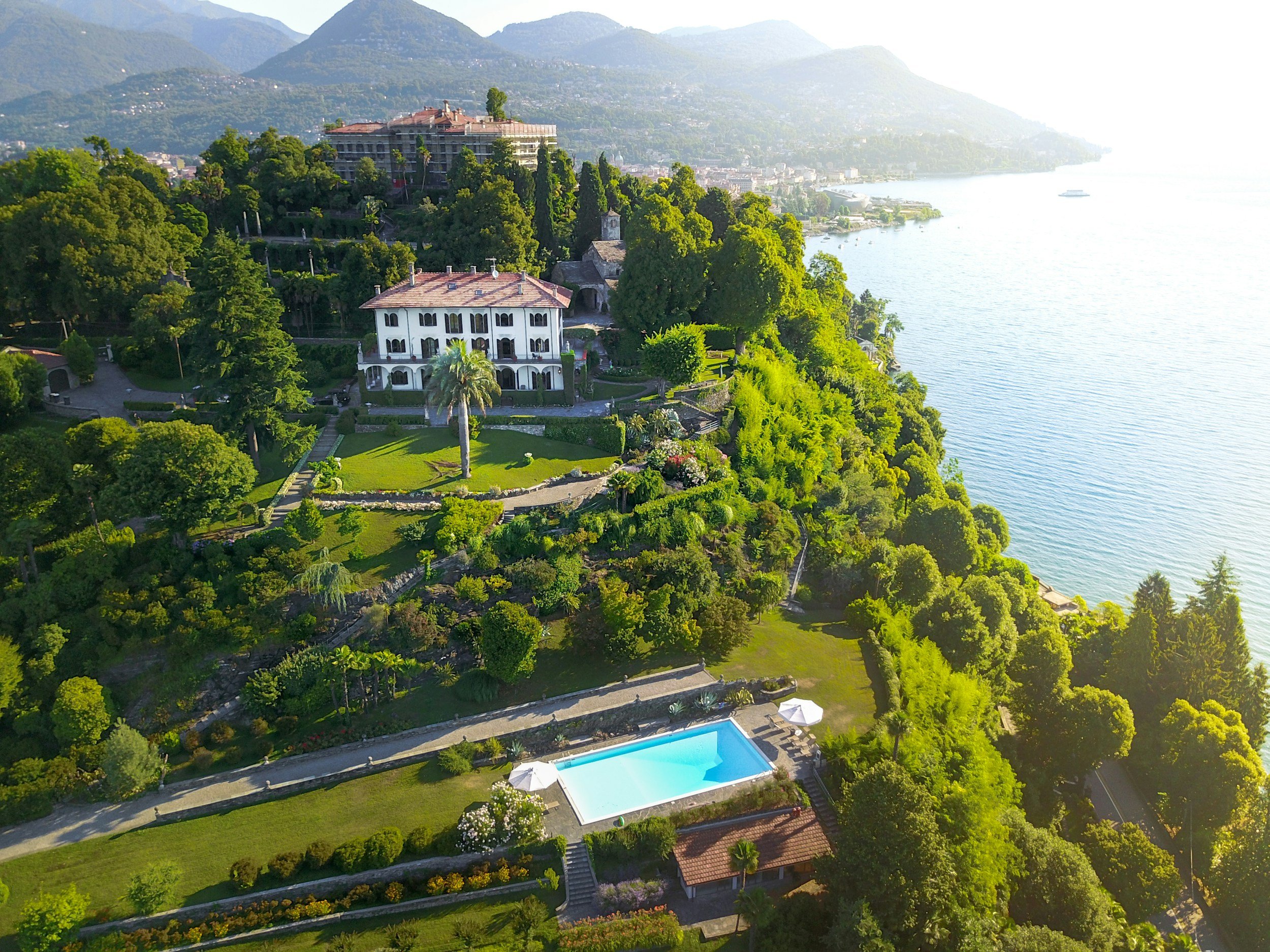
Luxury: High-Quality, Scaled Excellence
Luxury hospitality operates at a high standard but within a scalable framework.
Typical characteristics include:
Large hotels with extensive amenities
Premium materials and well-designed interiors
Professional but standardised service
Access to restaurants, spas and shared facilities
Luxury properties aim to deliver consistency across a broad customer base. They optimise for both quality and volume.
Examples include high-end resorts and flagship city hotels where guests experience strong service, but within a shared environment.
Ultra-Luxury: Low-Density, Experience-Led Environments
Ultra-luxury operates on a different model entirely. It prioritises exclusivity over scale.
At properties such as Amanpulo and Amanyara, the focus shifts to:
Minimal guest numbers
Large private spaces and villas
Highly personalised, anticipatory service
Controlled environments with limited external exposure
Ultra-luxury is not about adding more features—it is about removing friction and limiting access.
Key Differences in Experience
Scale vs Scarcity
Luxury hotels are designed to accommodate many guests efficiently. Ultra-luxury properties deliberately restrict capacity.
Scarcity in ultra-luxury creates:
Higher space per guest
Reduced crowding
Greater exclusivity
Standardised vs Personalised Service
Luxury service is polished but often follows defined processes.
Ultra-luxury service is:
Individualised to each guest
Based on preference memory and anticipation
Delivered with minimal visibility
At properties such as Aman Tokyo, service is designed to feel invisible yet precise.
Shared vs Controlled Environments
Luxury hotels rely on shared spaces—restaurants, pools, lounges.
Ultra-luxury reduces or eliminates shared exposure through:
Private villas and in-room experiences
Flexible dining arrangements
Decentralised layouts
This creates a sense of complete control over the environment.
Amenities vs Space
Luxury adds value through amenities—multiple restaurants, spas and facilities.
Ultra-luxury shifts value toward:
Larger rooms and outdoor areas
Privacy-driven layouts
Integration with natural surroundings
Space becomes the primary indicator of value.
Visibility vs Discretion
Luxury often includes social elements—lobbies, bars and visible guest interaction.
Ultra-luxury prioritises discretion:
Minimal guest overlap
Controlled access points
Environments designed to avoid attention
For many UHNW travellers, discretion is a defining requirement.
Pricing Philosophy
Luxury pricing is influenced by:
Location
Brand positioning
Amenities and service level
Ultra-luxury pricing is driven by:
Scarcity of inventory
Space allocation per guest
Level of personalisation
Operational intensity
In ultra-luxury, guests are not paying for more features—they are paying for less interference and greater control.
Who Each Segment Serves
Luxury
Affluent travellers
Business and leisure guests
Individuals seeking comfort, convenience and quality
Ultra-Luxury
Ultra high net worth individuals
Privacy-focused travellers
Clients prioritising control, discretion and time efficiency
The difference lies in expectations rather than income alone.
Conclusion
Luxury and ultra-luxury operate on different principles.
Luxury delivers high-quality experiences at scale, balancing service, amenities and accessibility.
Ultra-luxury delivers controlled, low-density environments, where privacy, personalisation and space define value.
For ultra high net worth travellers, the transition from luxury to ultra-luxury is not about spending more—it is about changing the nature of the experience itself.
If you are interested in complimentary advice, you can contact James https://jamesnightingall.com/contact