
Why Aman Feels Different
Aman is often described not just as a hotel brand, but as a distinct category of luxury. The difference is not immediately visible through amenities or marketing—it is felt through space, silence and control.
For ultra high net worth travellers, Aman stands apart because it removes the typical friction associated with luxury hospitality.
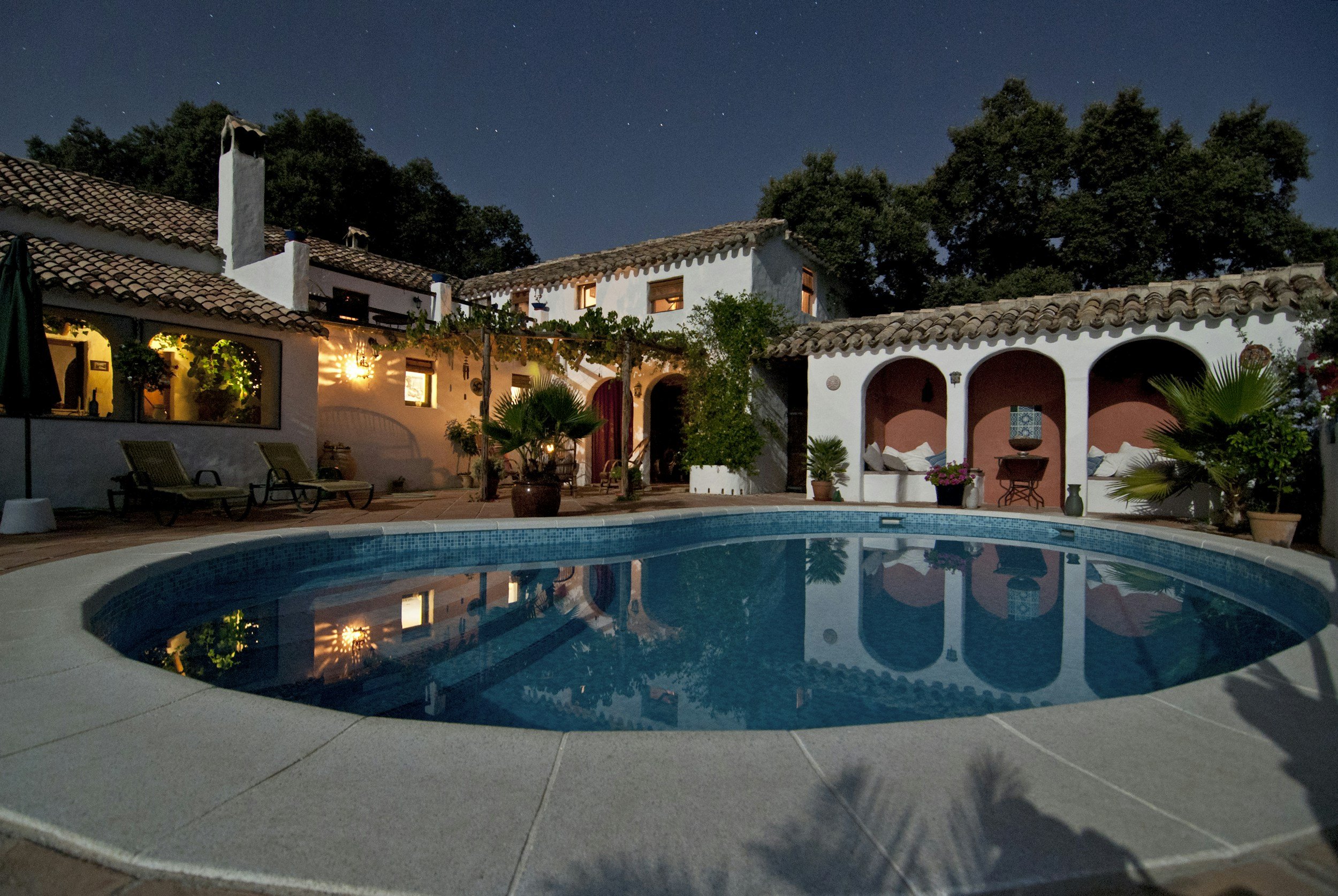
Low-Density by Design
Aman properties operate with significantly fewer rooms than most luxury hotels.
At destinations such as Amanyara and Amanpulo, guest numbers are intentionally limited. This results in:
Minimal crowding
Greater distance between accommodations
A consistently quiet environment
Even at full occupancy, the property feels underpopulated. This is a structural difference, not a seasonal one.
Space as the Core Offering
Aman does not compete through amenities—it competes through space.
This includes:
Larger rooms and villas
Expansive outdoor areas
Integration with natural surroundings
At properties such as Amangiri, the surrounding landscape becomes part of the experience, reinforcing a sense of openness and isolation.
Invisible Service
Aman’s service model is built on discretion.
Staff are present but rarely visible, creating an experience where:
Needs are anticipated rather than requested
Interactions are minimal and precise
Service does not interrupt the guest’s environment
At properties like Aman Tokyo, this approach results in a level of service that feels effortless rather than performative.
Architecture That Prioritises Privacy
Privacy at Aman is embedded in the design.
Key elements include:
Separate pathways and entrances
Strategic landscaping to block sightlines
Decentralised layouts
This ensures that guests rarely encounter one another, even in shared spaces.
Control Over the Experience
Aman allows guests to operate on their own terms.
This includes:
Flexible dining arrangements
Personalised scheduling
Minimal reliance on shared facilities
The environment adapts to the guest, rather than the guest adapting to the environment.
Consistency Across the Portfolio
Despite diverse locations, Aman maintains a consistent identity.
Whether in a city or a remote resort, guests can expect:
Minimalist design
Calm, neutral environments
High levels of privacy and service
This consistency builds trust and encourages repeat visits.
Absence of Traditional Luxury Signals
Aman deliberately avoids many of the visible markers associated with luxury:
Large lobbies
Crowded restaurants
Overly decorative interiors
Instead, it focuses on restraint and simplicity, allowing quality to emerge through detail rather than display.
Emotional Impact
The cumulative effect of these elements is psychological.
Guests often experience:
Reduced cognitive load
Greater sense of calm
Increased control over time and space
This emotional response is a key reason why Aman feels different—it changes not just the environment, but the state of mind.
Conclusion
Aman feels different because it is built on a fundamentally different model of luxury.
Rather than adding features, it removes friction. Rather than increasing scale, it reduces it. The result is an environment defined by privacy, space and precision.
For ultra high net worth travellers, this difference is not subtle—it is the defining reason why Aman operates in a category of its own.
If you are interested in complimentary advice, you can contact James https://jamesnightingall.com/contact