
The Most Exclusive Hotel Bookings in the World
The language of luxury has shifted. It no longer starts and ends with a brand logo, a Michelin star, or a five star rating. The rarest travel experiences for the globally mobile ultra affluent are defined by scarcity of access, the integrity of the environment, bespoke privacy and service structures that parallel the expectations held in prime property ownership. In an era of elevated wealth dispersion and geographic arbitrage, the most exclusive hotel bookings align with strategic lifestyle asset perspectives: they are experiential heirlooms, they preserve personal bandwidth, and they reflect a nuanced understanding of place value beyond traditional metrics.
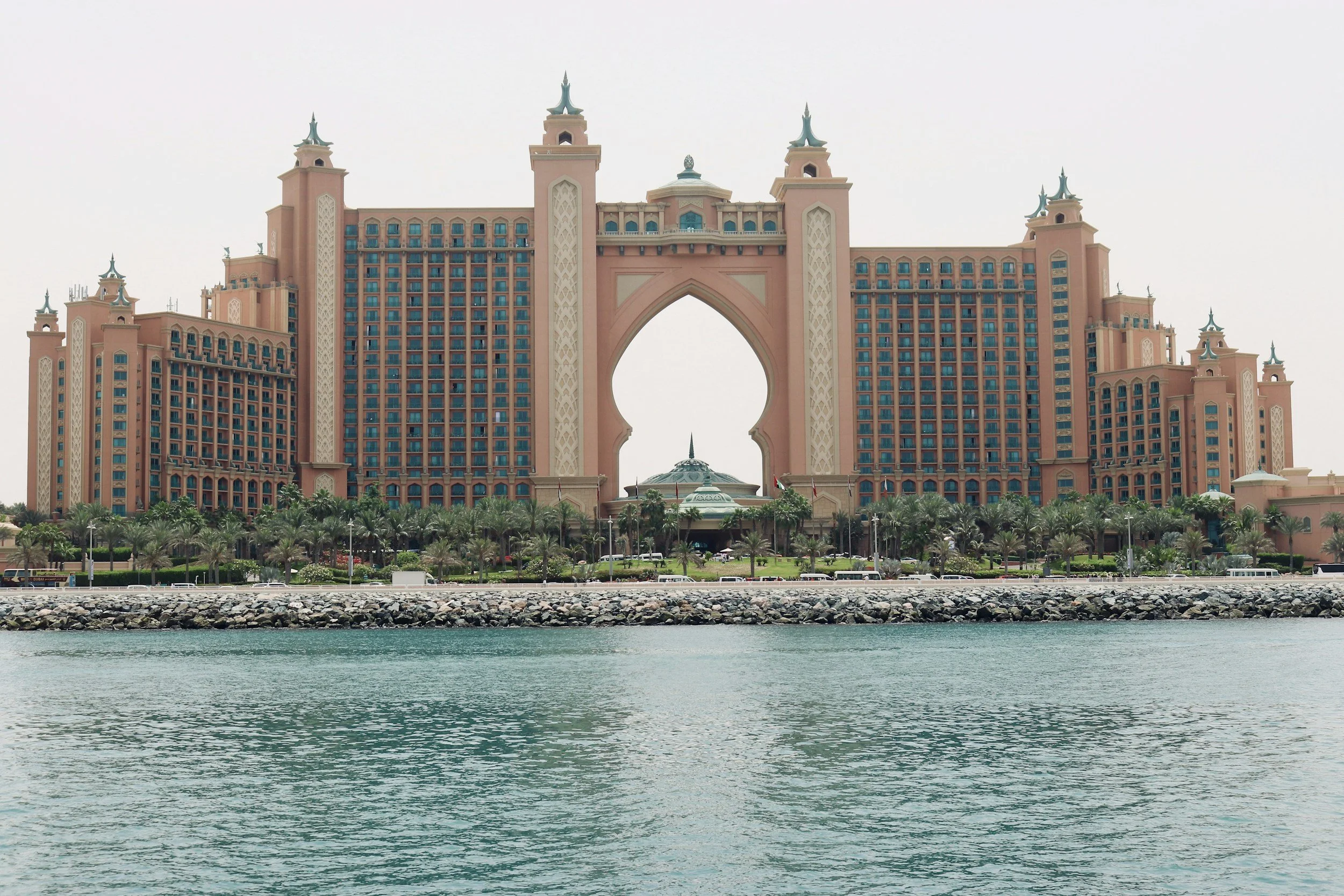
This article surveys the global landscape of highly coveted hotel reservations, not as a checklist of bucket list stays but as an analytical atlas of what ultra high net worth individuals seek in exclusivity, legacy, and intelligently calibrated luxury.
Why Exclusive Hotel Bookings Matter to the Ultra Affluent
For a financially sophisticated individual, high end travel intersects with broader wealth preservation and lifestyle portfolios. Consider that global luxury travel spending has outpaced general travel growth, even during periods of economic stress. Independent analysis from McKinsey indicates that affluent segments consistently allocate premium budgets to experiences that deliver rarity, emotional resonance and social currency. Meanwhile, real estate and hospitality research from Savills suggests that high net worth buyers increasingly view personal travel as integral to lifestyle capital — experiences that, like prime property, accrue value in discrete taste economies rather than traditional return on investment.
An exclusive hotel booking delivers three core dimensions: privacy, availability and customisation. Achieving all three often requires planning horizons measured in years, relationships cultivated with bespoke travel advisers and hotel owners, and a willingness to enter loyalty ecosystems that transcend points alone.
Defining the Pinnacle of Exclusivity
To understand what elevates a hotel reservation to world class exclusivity, one must move beyond opulence itself and examine structural scarcity. These elements define the rarest bookings:
Finite Product and Controlled Access
Some properties cap their total number of guests not annually but per day. For example, private island resorts or luxury safari lodges may take only a handful of bookings each month. This controlled access ensures that supply remains intentionally constrained.Personalised Experience Ecosystems
The most elite stays are not about rooms but about tailored universes. Think comprehensive gastronomy curated to a family’s preferences, expert naturalists or cultural interlocutors insourced to the stay, and anticipatory service anticipating needs before they are voiced.Architectural and Environmental Distinction
True rarity often derives from context. Whether it is an architectural icon perched above a fjord in Scandinavia or a restored heritage palace in Rajasthan with centuries of lineage, place matters as much as product.Discretion and Security
Experienced high net worth travellers prioritise discretion as a non negotiable amenity. Properties that master confidentiality while providing seamless service command sustained premium demand.
Global Icons of Hotel Rarity
Below are exemplars of exclusive hospitality that meet these criteria not through marketing bravado but structural scarcity and demand.
The Private Island Paradigm — Controlled Supply and Absolute Privacy
Private islands represent the apex of exclusivity because they embody both total seclusion and the ability to customise every facet of a stay. These bookings are typically made through dedicated concierge teams years in advance and often require minimum stay commitments during peak seasons.
Ultra affluent travellers favour private islands where entire islands can be chartered for family and close associates. The financial commitment for such reservations can easily exceed £500,000 per week in peak season, and this reflects not only the physical seclusion but the bespoke provisioning implicit in the experience.
Industry reports from Deloitte on luxury travel note a consistent increase in high value private bookings — incremental to traditional luxury suite stays — as global wealth holders seek autonomy over their environments.
Heritage Palaces and Chateaux — Historical Exclusivity Meets Modern Service
In markets such as Europe and South Asia, historic palaces that have been converted into luxury hotels present an exclusivity rooted in centuries of lineage. These properties offer access not just to rare rooms but to archives, private tours and curator led experiences that are unavailable to the general public.
Booking out an entire wing or the entirety of such a property is sometimes the only way to access its full service suite. Availability windows for these arrangements are often limited to a handful of weeks a year, and rates for full commitment can range into the millions of pounds annually for the most storied addresses.
Knight Frank’s luxury hospitality overview underscores that buyers in this segment prioritise provenance and narrative alongside physical amenities.
Ultra Limited Suites and Villas Within Destination Hotels
Some international destination hotels reserve a small number of ultra suites or villas that are effectively standalone residences within the property. These spaces are physically larger than many London apartments and come with dedicated staff, private pools, chauffeur services and often rights to off property privileges.
For prospective guests, securing these bookings frequently means engaging with hotel representatives directly, or through private membership networks that operate at the intersection of luxury travel and social capital.
Data from UBS on high end consumer behaviour highlights that these bookings are less about price and more about access economics — the value lies in securing what few can.
Booking Strategies and Timing Considerations
One consistent trait among ultra affluent travellers is rigorous planning discipline. Unlike traditional luxury booking patterns that rely on short term availability, the rarest reservations often require:
Planning windows of 12 to 24 months
Deep relationships with bespoke travel advisors
Participation in invitation only hospitality networks
Flexibility on off peak or shoulder seasons to unlock true exclusivity
Properties with limited room inventories often release availability well in advance and manage it through controlled allocation rather than open market channels.
Financially, these commitments should be considered alongside broader lifestyle capital allocations. For individuals with multiple homes or significant travel budgets, exclusive bookings function as allocated time assets — similar in some ways to fractional ownership or private membership structures.
The Mindset of the Ultra Affluent Traveller
What separates an ordinary luxury booking from an exclusive one is psychological calibration. Ultra high net worth individuals do not seek luxury for its own sake; they seek conditions that respect their time, privacy and autonomy. They are attuned to the signalling value of exclusivity and to the internalised utility derived from experiences that cannot be commoditised.
The rarest bookings are not publicised widely precisely because they derive much of their power from selective dissemination and controlled access. This is why high calibre travel advisors and family office lifestyle teams play a central role in acquisition.
Conclusion: Exclusivity as Strategic Lifestyle Capital
The most exclusive hotel bookings in the world exist beyond the reach of last minute decisions and mass luxury. They are long term commitments, embedded in relationships, knowledge and planning discipline. For the globally mobile wealthy, such experiences are part of a broader approach to lifestyle asset management: they preserve privacy, confer social currency, and reflect an understanding of scarcity that aligns with prime real estate and other high value holdings.
If luxury travel is a language, its rarest dialects are spoken in private island coves, historic palaces, and limited inventory enclaves where supply is intentionally constrained and demand is global. These are not vacations. They are curated temporal estates in which the ultra affluent invest both time and capital with purpose.
If you are interested in complimentary advice, you can contact James https://jamesnightingall.com/contact