
Hotel Suites That Cost More Than London Homes
In global luxury hospitality, an extraordinary phenomenon has emerged: individual hotel suites commanding prices that exceed the value of many London homes. This contrast highlights evolving perceptions of wealth, experience, and exclusivity.
While London remains one of the world’s most expensive property markets, particularly in prime postcodes, certain ultra-luxury hotel suites — often in iconic cities or secluded destinations — carry nightly rates, amenities, and experiential value that transcend traditional residential economics.
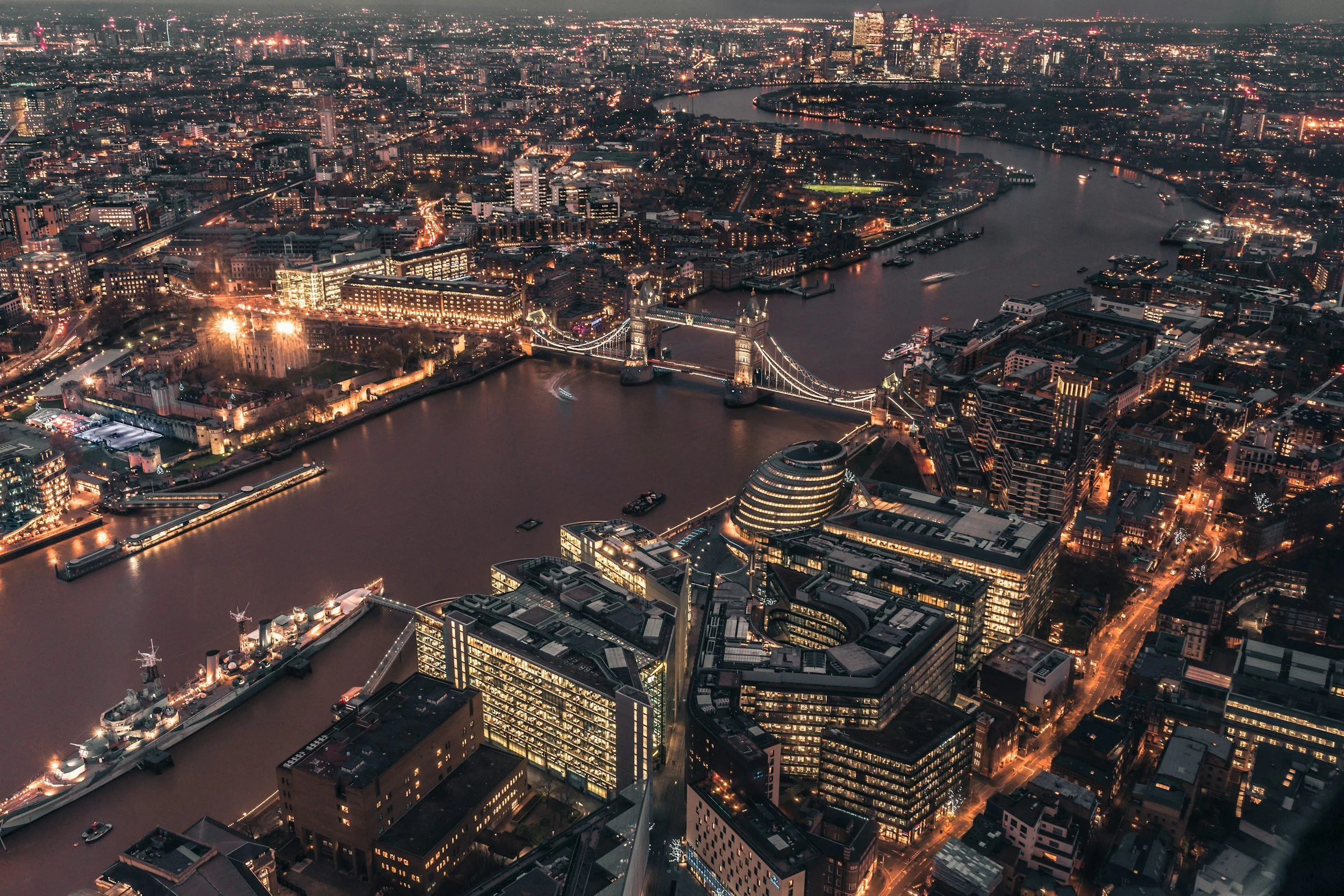
What explains this disparity, and why do ultra high net worth travellers pay such premiums? The answer lies in the unique combination of psychology, service economics, and experiential factors driving the uppermost tiers of hospitality.
1. Exclusivity And Scarcity As Structural Value Drivers
Luxury hotel suites that exceed the price of many London homes are fundamentally rooted in scarcity.
These accommodations often exist in extremely limited supply, sometimes as single signature suites per property. Just as rare art or limited edition collectibles command outsized value, bespoke suites derive part of their premium from uniqueness rather than purely physical size.
Rarity shapes perceived value.
2. Service Intensity And Human Capital Investment
Ultra-luxury suites are defined less by bedrooms and more by service architecture.
Butler teams, private chefs, 24-hour concierge access, personal drivers, and dedicated staff on standby contribute ongoing operational expenditure that far exceeds typical residential support services. This human capital investment becomes part of the product, not an optional add-on.
Service becomes inseparable from value.
3. Temporal Economy Versus Fixed Assets
A night in an elite suite represents a temporal luxury rather than a fixed asset.
While London property ownership delivers long term residency and capital appreciation potential, a hotel suite offers unparalleled experiential compression in a specific moment. Ultra wealthy travellers often prioritise peak experiences over ownership permanence.
Time becomes a luxury variable.
4. Architectural And Design Distinction
Many of the world’s most expensive suites are architectural showpieces.
They feature bespoke interiors, custom furnishings, rare materials, private pools or spas, panoramic views, and outdoor spaces designed with spatial drama. Such design excellence often exceeds typical residential fit-out quality, with craft and detail that rival art installations rather than conventional homes.
Design influences perception of value.
5. Spatial Experience Versus Square Footage Logic
Price per square foot in luxury suites frequently dwarfs London home metrics.
Yet the psychological impact of space is not linear. A suite with curated zones, private reception areas, dining rooms, and personalised environments feels subjectively larger and more luxurious than a significantly larger residential floor area with standard finishes.
Perception outweighs dimension.
6. Brand Symbolism And Prestige Signalling
Elite hotel brands hold symbolic capital that resonates with high net worth travellers.
Staying in a legendary suite carries social and psychological meaning beyond utility. It is a statement about access, experience, and distinction that acute travellers value.
Symbolic value interacts with experiential value.
7. Event-Driven Pricing And Demand Peaks
Luxury suites are often priced using dynamic experiential models rather than static valuation metrics.
High demand windows, limited dates, and curated event timing — such as fashion weeks, cultural festivals, or high profile gatherings — can elevate nightly rates into astronomical ranges. These pricing dynamics reflect market behaviour rather than intrinsic cost alone.
Demand sensitivity shapes price.
8. Immersive Curated Experiences
Beyond beds and bathrooms, ultra-luxury suites frequently include curated experiences.
Private excursions, personalised wellness programmes, exclusive access privileges, and bespoke service sequences extend the stay into an immersive journey. The suite becomes a base for tailored exploration, not merely a place to sleep.
Experience architecture becomes core value.
London Home Prices In Context
London remains one of the world’s most expensive urban property markets. Prime postcodes, period homes, and luxury penthouses command significant capital. Yet the nightly rates of top-tier hotel suites — sometimes in excess of tens or hundreds of thousands — illustrate a different economic logic.
Comparing static asset value with temporal experiential pricing highlights the fundamentally different value systems at play in hospitality and real estate.
Why This Matters For Understanding Ultra Luxury Consumption
The existence of hotel suites that rival or exceed the prices of London homes reveals how ultra high net worth travellers allocate value. Some prioritise long-term ownership, legacy, and investment. Others emphasise curated, ephemeral experiences that compress luxury, memory, and emotion into specific moments.
Both behaviours are rational within different psychological frameworks.
A Practical Perspective On Luxury Value Systems
Luxury is not a single metric.
It is a constellation of preferences, priorities, and emotional drivers. Whether contemplating property acquisition or elite hospitality experiences, high net worth consumers increasingly evaluate value through a combination of scarcity, service, symbolic meaning, and psychological impact.
In the top tier of the travel market, experience often outweighs ownership — not because material value disappears, but because meaningful value shifts toward how a moment feels rather than how a space is held.
Sources and References
World Travel and Tourism Council luxury travel research
Deloitte hospitality and pricing insights
McKinsey consumer behaviour and luxury experience studies
Cornell University School of Hotel Administration guest economics analysis
Journal of Hospitality and Tourism Research pricing dynamics findings
If you are interested in complimentary advice, you can contact James https://jamesnightingall.com/contact