
The Most Expensive Hotel Rooms Ever Sold
In ultra luxury hospitality, price functions less as a transactional variable and more as a signalling mechanism. At the highest levels of global wealth, the most expensive hotel rooms are not defined purely by size, décor, or location. Their valuations reflect scarcity, symbolic capital, operational complexity, and the psychology of clients whose financial decisions are rarely constrained by conventional budget logic. These rooms operate at the intersection of lifestyle consumption, privacy engineering, and status architecture.
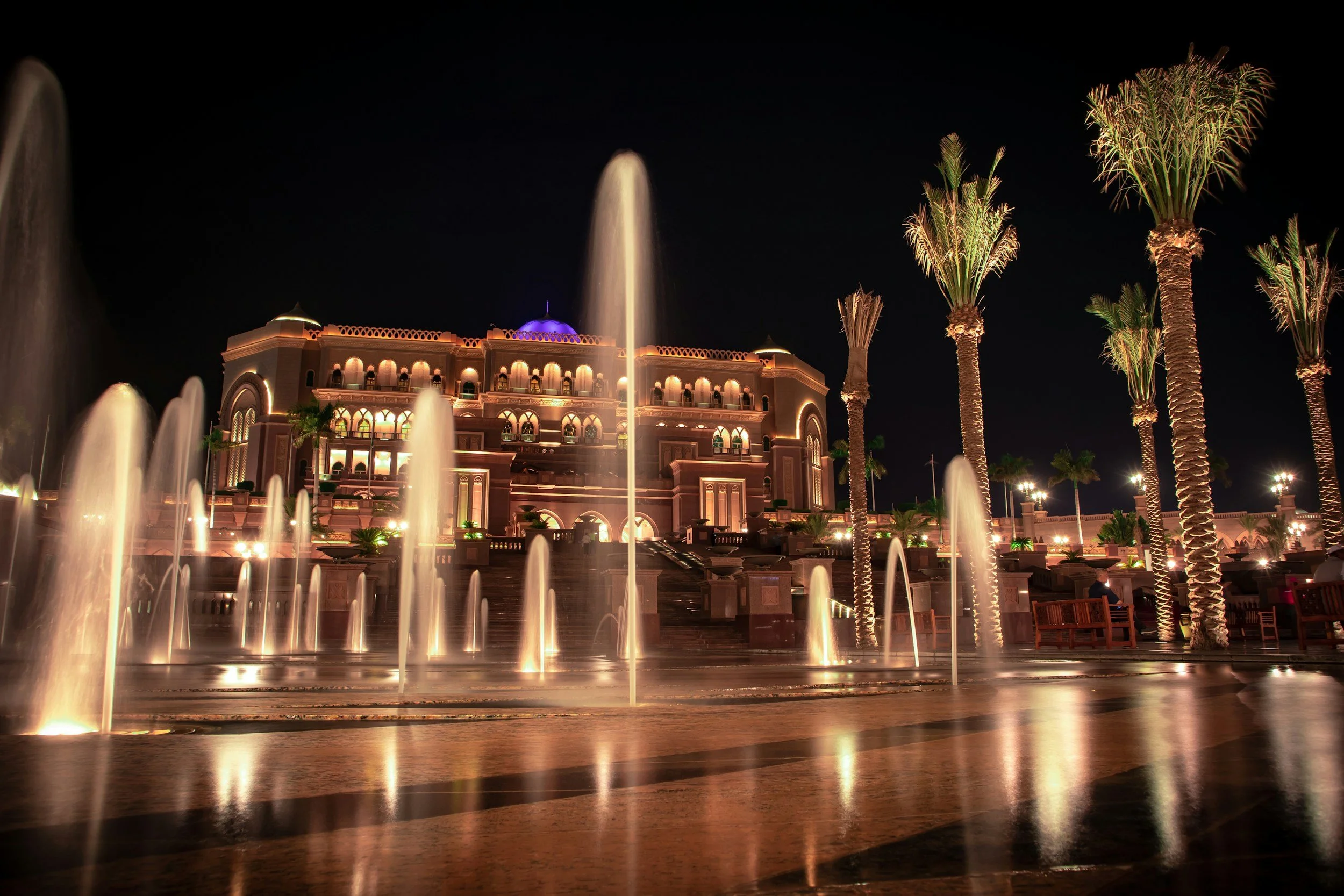
While headline figures often capture public attention, the deeper significance of these transactions lies in what they reveal about wealth behaviour, market structures, and the evolving meaning of exclusivity in a world of expanding affluence.
Understanding Price Formation at the Extreme End
The economics governing ultra high value hotel suites diverge sharply from traditional hospitality pricing models. Standard room rates are typically anchored to occupancy dynamics, seasonal demand, and competitive benchmarking. Extreme tier suites, by contrast, follow scarcity driven logic. Supply is structurally constrained. Substitutability is negligible. Demand is highly inelastic.
Industry analysis from McKinsey and Deloitte consistently shows that ultra high net worth individuals evaluate purchases through frameworks that prioritise privacy, uniqueness, and experiential control over marginal price differences. At this level, cost ceases to be the primary decision filter. Availability, discretion, and symbolic resonance dominate.
Knight Frank’s wealth reports frequently note that ultra affluent consumption patterns often resemble asset acquisition psychology rather than traditional consumer behaviour. The rarest hotel suites are evaluated as temporary lifestyle assets, comparable in mindset to chartering a superyacht or securing access to off market prime property.
What Makes a Hotel Room Command Extraordinary Prices
Several structural attributes consistently underpin record setting room valuations.
First, physical scale alone is insufficient. While many ultra suites exceed the footprint of prime urban residences, price premiums correlate more strongly with spatial configuration, privacy layers, and experiential infrastructure. Private elevators, security controlled access points, dedicated service teams, and customisable interiors materially influence valuation.
Second, symbolic geography matters. Suites situated within globally recognised urban landmarks or culturally significant properties benefit from embedded prestige. Location, as in prime real estate, confers reputational leverage.
Third, operational complexity contributes significantly. Maintaining ultra high specification suites requires specialised staffing models, security protocols, and maintenance ecosystems that exceed conventional hotel standards. Pricing must absorb these structural costs.
Finally, scarcity remains decisive. A hotel may contain hundreds of rooms yet only one or two suites capable of commanding extreme valuations. This asymmetry drives pricing power.
Record Setting Examples in Global Hospitality
Across markets, certain properties have become reference points in discussions of extreme hospitality pricing.
The Royal Penthouse Suite at the President Wilson Hotel in Geneva represents one of the most cited benchmarks. Widely regarded within the industry as among the highest priced hotel accommodations ever offered, its nightly rates have reportedly exceeded £80,000 under peak demand conditions. The valuation reflects not only scale and views over Lake Geneva, but comprehensive security features, controlled access systems, and the city’s longstanding role as a nexus of diplomatic and financial activity.
Similarly, the Empathy Suite at the Palms Casino Resort in Las Vegas redefined pricing psychology through design and experiential narrative. Conceived as a hybrid between contemporary art installation and hospitality environment, the suite’s rates have reached levels comparable with prime property leasing economics. The offering illustrates how artistic provenance and conceptual uniqueness can amplify perceived value beyond conventional luxury metrics.
In New York, premium suites within established ultra luxury properties have periodically achieved extraordinary pricing during periods of exceptional demand. These transactions often coincide with major financial events, high profile gatherings, or peak seasonal compression. Savills hospitality insights note that global gateway cities retain disproportionate pricing elasticity for rare inventory due to persistent demand from internationally mobile wealth holders.
The Role of Market Context and Demand Surges
Extreme pricing events rarely occur in isolation. They are often triggered by confluences of demand compression, client urgency, and symbolic timing. International summits, large scale investment forums, cultural events, and geopolitical gatherings can temporarily distort pricing dynamics, particularly in cities with limited ultra suite inventory.
UBS analyses of high net worth mobility patterns highlight that ultra affluent travel decisions frequently cluster around business, investment, and network driven catalysts. In these moments, securing a specific suite may carry logistical or reputational value that outweighs price considerations entirely.
Buyer Psychology at Ultra High Price Points
At conventional price levels, consumer decision making emphasises comparative evaluation. At extreme tiers, psychology shifts. The decision is less about whether the price is justified and more about whether the opportunity cost of non acquisition is acceptable. Privacy, convenience, and symbolic alignment drive behaviour.
For many ultra high net worth clients, these bookings represent controlled environments rather than mere accommodations. The suite becomes a temporary residence, negotiation venue, security buffer, and social theatre. Its utility extends far beyond sleep or leisure.
Knight Frank’s research into luxury decision drivers frequently underscores the importance of control and friction minimisation. Ultra suites offer both. They compress uncertainty, centralise service, and eliminate exposure to unpredictable variables.
Hospitality Pricing and Prime Property Parallels
The valuation logic of the world’s most expensive hotel rooms increasingly mirrors dynamics observed in ultra prime real estate. Scarcity, location prestige, privacy engineering, and reputational capital govern pricing more than functional attributes alone.
Savills and Deloitte hospitality studies observe that as global wealth concentrations rise, experiential assets and physical assets exhibit converging demand characteristics. Both serve as instruments of lifestyle optimisation and status signalling within elite networks.
Conclusion: Price as a Reflection of Scarcity and Sovereignty
The most expensive hotel rooms ever sold represent more than statistical curiosities. They reveal how extreme wealth reshapes market mechanics and consumer psychology. At this level, price reflects controlled access to environments that deliver privacy, symbolic capital, and operational sovereignty.
As luxury hospitality continues to evolve alongside global wealth creation, the upper boundary of pricing remains fluid. What remains constant is the underlying logic: in markets defined by scarcity and discretion, value is rarely determined by cost alone. It is determined by the intersection of rarity, context, and the strategic priorities of those for whom exclusivity is a functional necessity rather than an indulgence.
If you are interested in complimentary advice, you can contact James https://jamesnightingall.com/contact