
The Rise of Private Residence Hotels
Traditional hotel models, long defined by transient occupancy and standardised service frameworks, increasingly coexist with hybrid concepts designed to mirror the psychological comfort of private ownership. Among the most significant developments within this shift is the growing prominence of private residence hotels.
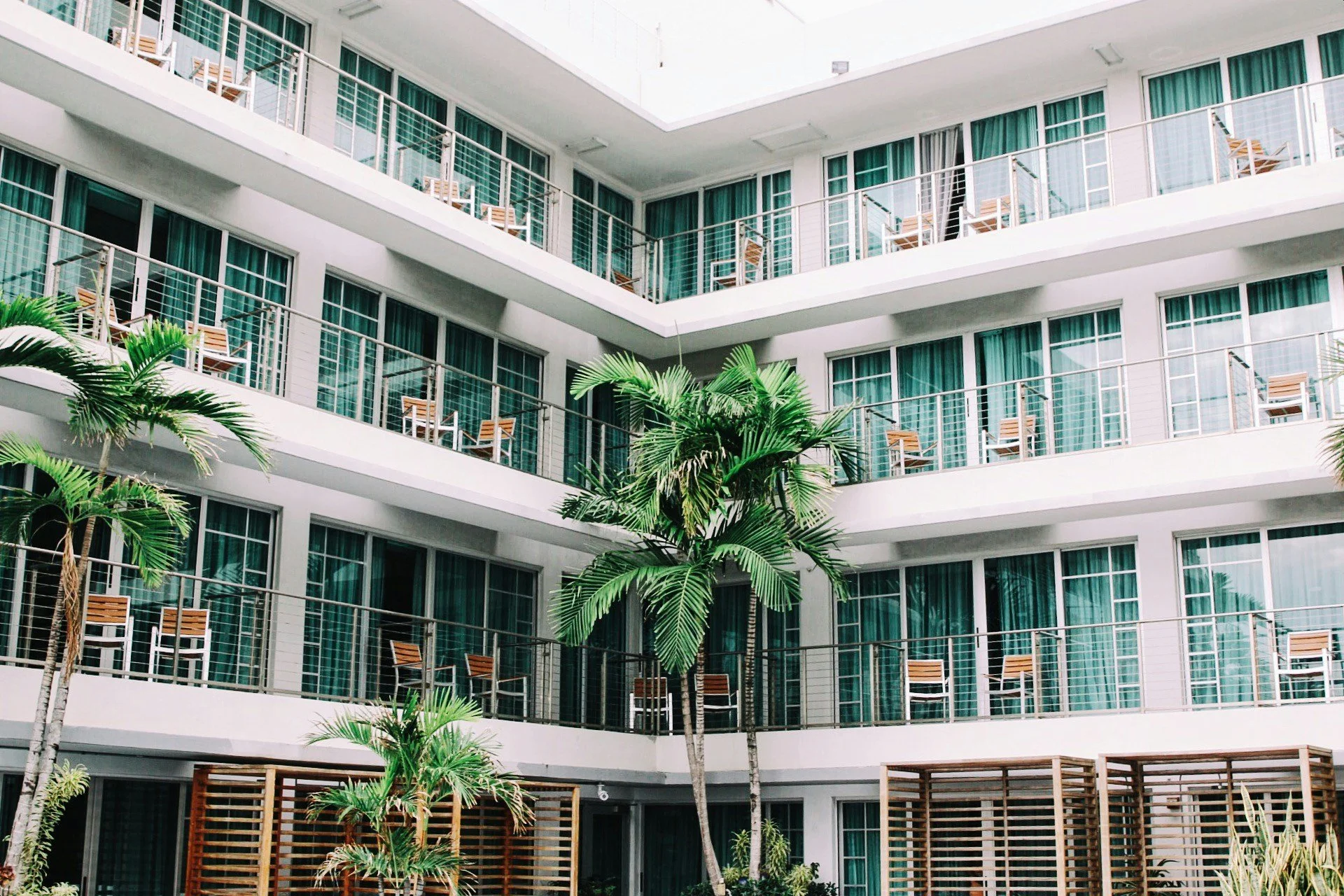
These properties blend the autonomy and spatial qualities of residential living with the operational sophistication of high end hospitality. Their rising appeal reflects deeper changes in how affluent travellers perceive comfort, privacy, and experiential value.
1. Convergence Of Hospitality And Residential Expectations
Modern luxury travellers increasingly seek environments that feel personal rather than institutional.
Private residence hotels respond by offering layouts, proportions, and amenities that resemble private homes while preserving service access. The objective is not merely accommodation but inhabitation.
Space becomes lived rather than occupied.
2. Privacy As A Dominant Luxury Priority
Privacy has become one of the most influential variables in high end travel decisions.
Residence style properties naturally reduce exposure to communal density, lobby traffic, and observational friction. Controlled access and discreet spatial design reinforce psychological ease.
Seclusion functions as a defining amenity.
3. Extended Stay Behaviour And Lifestyle Flexibility
Travel patterns have shifted.
Longer stays, remote work integration, and multi generational travel increasingly favour accommodation models supporting domestic routines. Kitchens, living areas, and residential scale environments facilitate behavioural continuity.
Duration reshapes design logic.
4. Psychological Comfort Of Ownership Style Environments
Guests frequently associate residential settings with familiarity and control.
Private residence hotels replicate elements of this experience, enabling travellers to experience the comfort dynamics of a home while retaining hospitality infrastructure. Emotional comfort often exceeds purely visual luxury.
Perception influences satisfaction.
5. Personalisation Beyond Conventional Hotel Norms
Residence based models permit deeper service customisation.
From provisioning preferences to housekeeping rhythms, operational flexibility expands when properties are structured around longer term habitation rather than short stay turnover cycles.
Adaptability enhances perceived exclusivity.
6. Urban Density And Space Recalibration
In major global cities, spatial constraints influence luxury perception.
Private residence hotels offer alternatives to conventional room formats by emphasising proportion, zoning, and domestic functionality. Larger living environments redefine expectations within dense markets.
Volume modifies value.
7. Investment Logic And Ownership Integration
Many private residence hotels incorporate ownership components.
Buyers acquire residential units supported by hospitality services, creating dual use structures that combine lifestyle benefits with asset characteristics. This convergence reshapes both travel and property investment narratives.
Usage flexibility intersects with capital strategy.
8. Changing Definitions Of Luxury Hospitality
Luxury increasingly emphasises control, autonomy, and environmental comfort.
While traditional hotels highlight service density and visual theatre, residence hotels foreground spatial independence and behavioural freedom. Both models coexist, yet preferences reveal evolving guest psychology.
Luxury becomes experiential rather than categorical.
Why Private Residence Hotels Continue To Gain Momentum
The appeal of residence style hospitality reflects broader behavioural and economic shifts.
Affluent travellers increasingly value privacy, space, routine continuity, and personalised control over conventional markers of prestige. Properties that replicate the emotional stability of residential environments while preserving hospitality convenience naturally attract demand.
The model aligns with modern luxury priorities.
A Practical Perspective On Hospitality Evolution
Private residence hotels do not replace traditional hotels.
They represent recalibration.
As traveller expectations evolve, hospitality structures adapt to deliver environments balancing autonomy with service excellence. For many guests, the most compelling luxury experiences increasingly resemble private living rather than temporary lodging.
Comfort is redefined through familiarity.
Sources and References
World Travel and Tourism Council hospitality and travel behaviour research
Deloitte travel and hospitality industry insights
McKinsey consumer preferences and experience studies
Cornell University School of Hotel Administration hospitality trends analysis
Journal of Hospitality and Tourism Research accommodation behaviour findings
If you are interested in complimentary advice, you can contact James https://jamesnightingall.com/contact