
Why Ultra-Luxury Travel Is Becoming More Private
Ultra luxury travel has always been associated with exclusivity, refinement, and extraordinary service. Yet a noticeable shift has emerged within the highest tiers of the market. Privacy, once considered a desirable feature, is increasingly treated as the central pillar of the luxury experience.
This transformation reflects more than changing tastes.
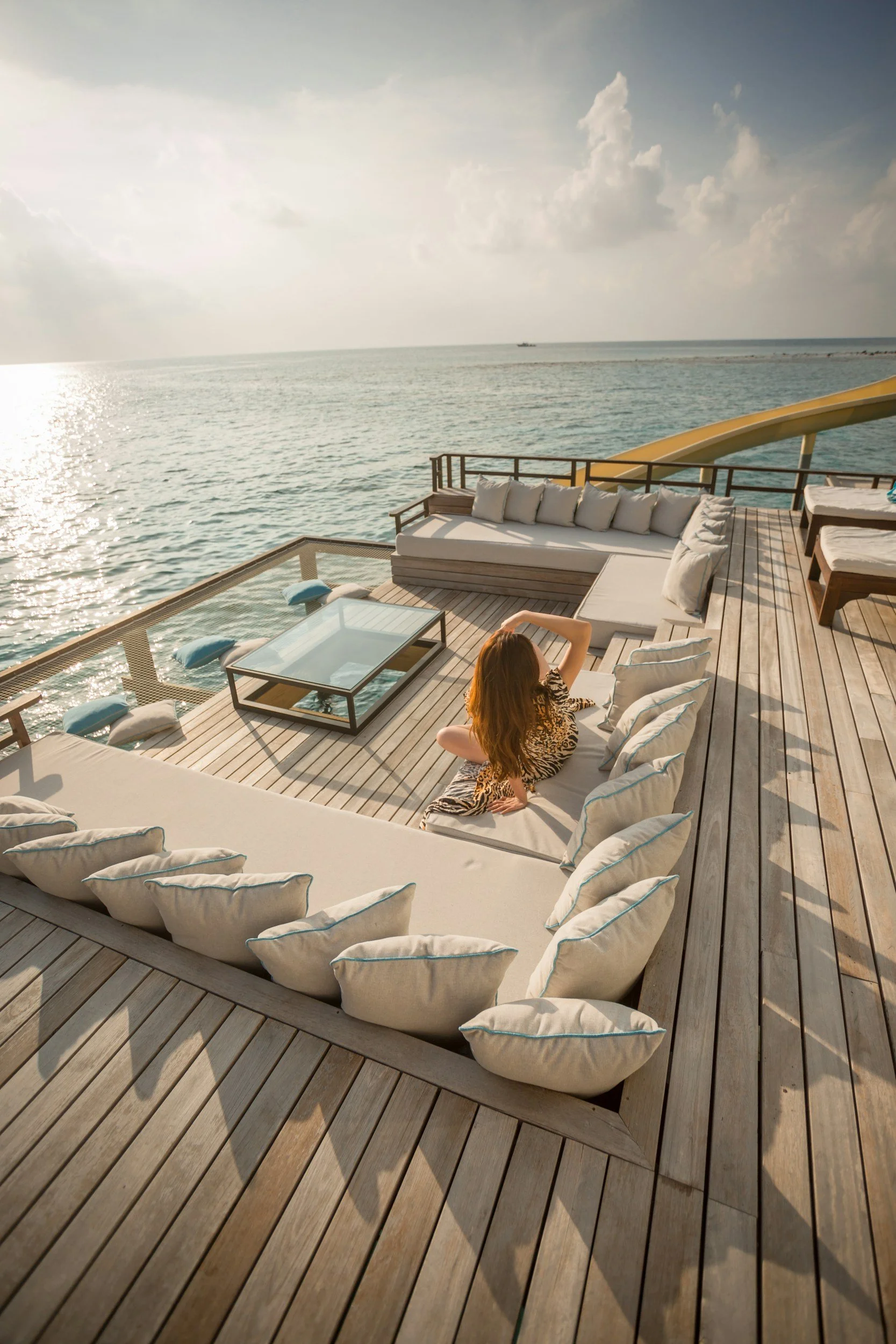
It reflects evolving traveller psychology, wealth dynamics, and the redefinition of what high value experiences truly represent.
1. Privacy As A Core Luxury Asset
For affluent travellers, privacy has moved beyond comfort into necessity.
The ability to exist without observation, interruption, or exposure is often valued more highly than visible opulence. Discretion, spatial separation, and controlled environments now shape travel decisions at the highest spending levels.
Absence of intrusion becomes a defining indulgence.
2. Wealth Concentration And Exposure Sensitivity
As global wealth concentrates, visibility concerns intensify.
High profile individuals, executives, and ultra high net worth families frequently prioritise environments that minimise unwanted attention. Privacy serves not only emotional comfort but also security and reputational considerations.
Luxury increasingly intersects with discretion management.
3. Psychological Fatigue From Hyper Connectivity
Modern lifestyles generate continuous cognitive and social stimulation.
Constant connectivity, digital exposure, and urban density contribute to psychological fatigue. Private travel environments offer sensory reduction and mental decompression, delivering forms of rest unattainable within highly populated settings.
Silence acquires experiential value.
4. Preference For Ownership Style Experiences
Traditional hospitality models centre on shared infrastructure.
Private villas, residence style hotels, and exclusive use properties instead replicate the autonomy of personal ownership. Travellers gain control over schedules, space usage, and social interaction, enhancing perceived comfort and agency.
Control reshapes luxury perception.
5. Security And Controlled Access Dynamics
Privacy frequently functions as a security mechanism.
Restricted access, reduced guest density, and personalised service ecosystems limit unpredictability. For many travellers, these attributes provide reassurance beyond conventional hospitality features.
Protection and comfort converge.
6. Evolution Of Social Behaviour In Luxury Travel
Luxury travel motivations have diversified.
Where social visibility and communal prestige once dominated, many travellers now seek isolation, family centric experiences, or intimate group environments. Private settings align more closely with these behavioural shifts.
Social context influences accommodation choice.
7. Experiential Value Versus Symbolic Prestige
Visible luxury signals status.
Invisible luxury signals control.
For seasoned travellers, experiential quality increasingly outweighs symbolic brand associations. Privacy delivers continuous experiential benefits rather than momentary visual impact.
Function surpasses display.
8. Technology Enabling Private Travel Ecosystems
Advancements in mobility and service logistics have expanded private travel feasibility.
Private aviation, bespoke concierge systems, and digitally coordinated services allow travellers to bypass traditional friction points. Seamless movement enhances the practicality of privacy driven itineraries.
Infrastructure evolves alongside expectation.
Why Privacy Now Defines The Pinnacle Of Luxury Travel
Luxury no longer depends solely on material extravagance.
It increasingly depends on environmental control, psychological ease, and experiential exclusivity. Privacy satisfies all three dimensions simultaneously, explaining its growing dominance within ultra luxury decision frameworks.
True luxury often manifests through what is absent rather than visible.
A Practical Perspective On Modern Ultra Luxury Preferences
The rise of privacy centric travel reflects rational behavioural adaptation rather than passing trend.
Affluent travellers increasingly seek environments aligned with comfort, security, autonomy, and cognitive relief. Private villas, residence hotels, and exclusive use properties represent structural responses to these preferences.
In ultra luxury travel, privacy has evolved from feature to foundation.
Sources and References
World Travel and Tourism Council luxury travel research
McKinsey consumer behaviour and experience studies
Deloitte travel and hospitality industry analysis
Cornell University School of Hotel Administration hospitality insights
Journal of Travel Research behavioural trends findings
If you are interested in complimentary advice, you can contact James https://jamesnightingall.com/contact