
When Service Matters More Than Design
Luxury hospitality has long celebrated visual drama. Grand lobbies, sculptural lighting, curated textures, and architectural statements dominate marketing imagery. Yet seasoned travellers often recognise a quieter truth. Design may shape the first impression, but service ultimately defines the lived experience.
A visually striking property cannot compensate for operational friction, inattentive staff, or inconsistent guest care. In many high value travel contexts, service quality becomes the decisive factor influencing satisfaction, loyalty, and memory formation.
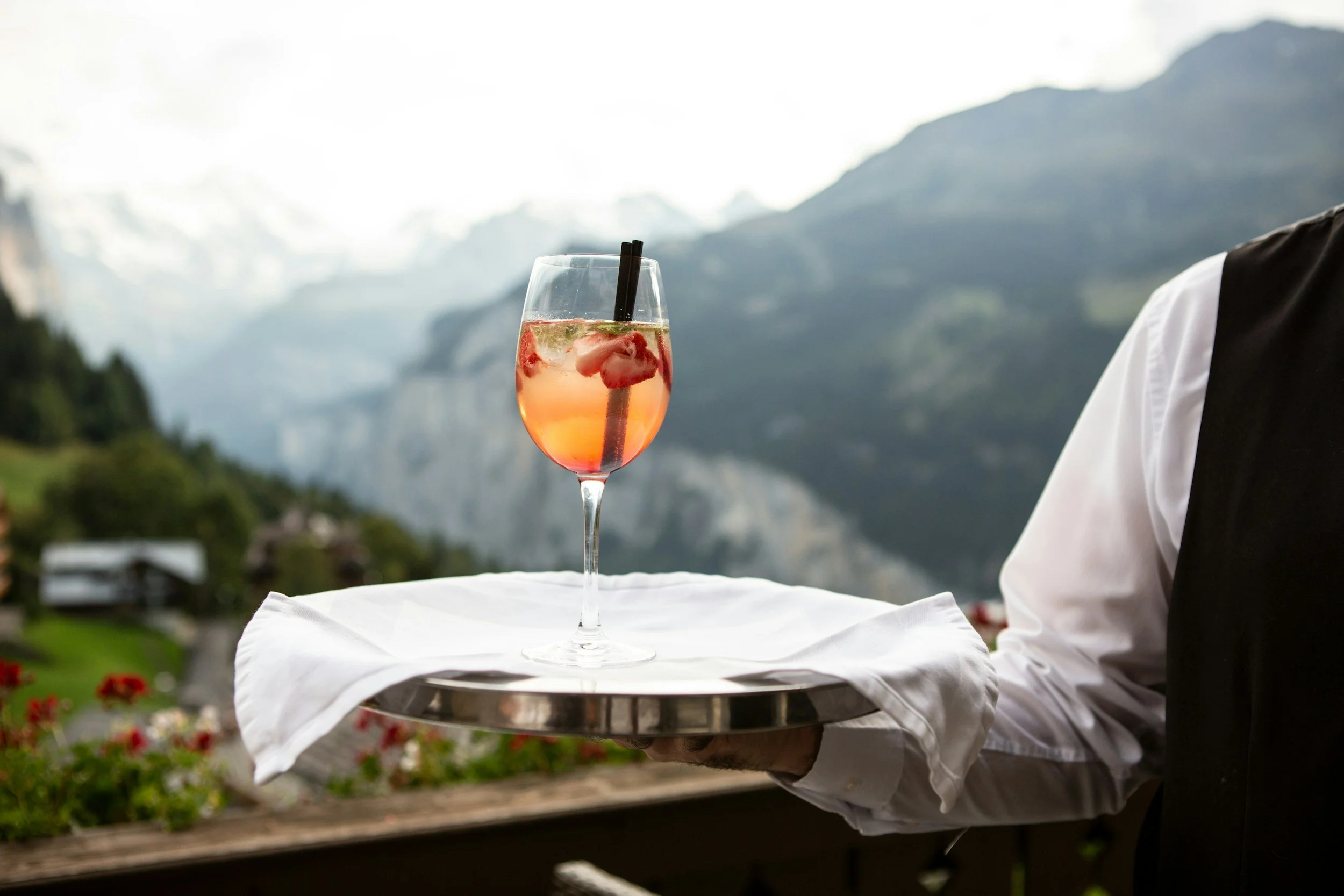
Below are situations where service frequently outweighs design in determining genuine hospitality excellence.
1. Extended Stays Prioritise Human Experience
During longer visits, aesthetic novelty rapidly fades into background familiarity. What remains highly visible is staff responsiveness, efficiency, and interpersonal warmth.
Guests begin to value anticipation of needs, problem resolution speed, and personalised attention far more than decorative elements. Comfort becomes behavioural rather than visual.
2. Complex Travel Requires Operational Precision
Travellers navigating demanding schedules, business commitments, or multi leg journeys depend heavily on reliability.
Seamless check ins, accurate coordination, luggage handling, and concierge effectiveness directly influence stress levels. In such contexts, even exceptional design holds limited practical value without strong operational competence.
3. Privacy And Discretion Depend On Staff Behaviour
True discretion emerges from service culture rather than physical layout alone.
Well trained staff who understand boundaries, confidentiality, and unobtrusive assistance create environments of psychological safety. Design can enhance privacy, but human conduct sustains it.
4. Personalisation Defines High End Hospitality
Luxury increasingly revolves around individualisation.
Remembering preferences, adapting routines, and responding flexibly to guest behaviour signals attentiveness beyond standardised service scripts. Such refinement rarely appears in photographs yet profoundly shapes guest perception.
5. Problem Resolution Shapes Satisfaction More Than Aesthetics
No property operates without occasional disruptions.
How staff manage unexpected issues often determines overall guest judgement. Calm competence, ownership of problems, and swift corrective action frequently outweigh architectural or decorative considerations.
Guests remember solutions more vividly than surroundings.
6. Emotional Impact Is Driven By Human Interaction
Hospitality experiences are deeply psychological.
Warmth, empathy, and attentiveness influence emotional memory formation more strongly than material finishes. Guests may admire design intellectually, yet service interactions shape how they feel.
Emotion governs loyalty.
7. Functional Comfort Exceeds Visual Comfort
Beautiful environments may still deliver inconvenient experiences.
Room servicing efficiency, dining flexibility, responsiveness to requests, and clarity of communication contribute directly to perceived comfort. Practical ease often surpasses visual appeal in long term evaluation.
8. Consistency Builds Trust And Return Preference
Luxury travellers frequently prioritise predictability of care.
Consistent service standards across departments reinforce confidence and reduce cognitive load. While design creates distinction, service consistency builds trust.
Trust sustains repeat behaviour.
Why Service Often Becomes The True Luxury Marker
Design influences perception.
Service influences experience.
Aesthetic excellence can enhance atmosphere, yet hospitality remains fundamentally relational. Guests evaluate properties not solely by visual composition but by how effectively environments support comfort, efficiency, and emotional ease.
In premium travel, frictionless experience frequently outranks visual spectacle.
A Practical Perspective On Hospitality Value
The most memorable luxury stays often share a common trait. They feel effortless.
Behind this ease lies disciplined service culture rather than purely architectural brilliance. Sophisticated travellers increasingly recognise that exceptional hospitality is delivered less by surfaces and more by systems, staff, and behavioural refinement.
Design may attract attention.
Service secures loyalty.
Sources and References
World Travel and Tourism Council hospitality and guest experience research
Cornell University School of Hotel Administration service quality studies
Deloitte luxury travel and customer experience insights
McKinsey consumer behaviour and experience analysis
Journal of Hospitality and Tourism Research guest satisfaction findings
If you are interested in complimentary advice, you can contact James https://jamesnightingall.com/contact