
Why Some New Luxury Hotels Feel Soulless
New properties debut with sculptural architecture, dramatic lighting concepts, curated materials, and meticulously styled interiors designed for immediate impact. Yet despite this technical and aesthetic excellence, many travellers describe a curious absence. The hotel is flawless, but something feels missing.
The sensation is difficult to quantify yet widely recognised.
A lack of atmosphere. A sense of emotional neutrality. An environment that feels staged rather than lived.
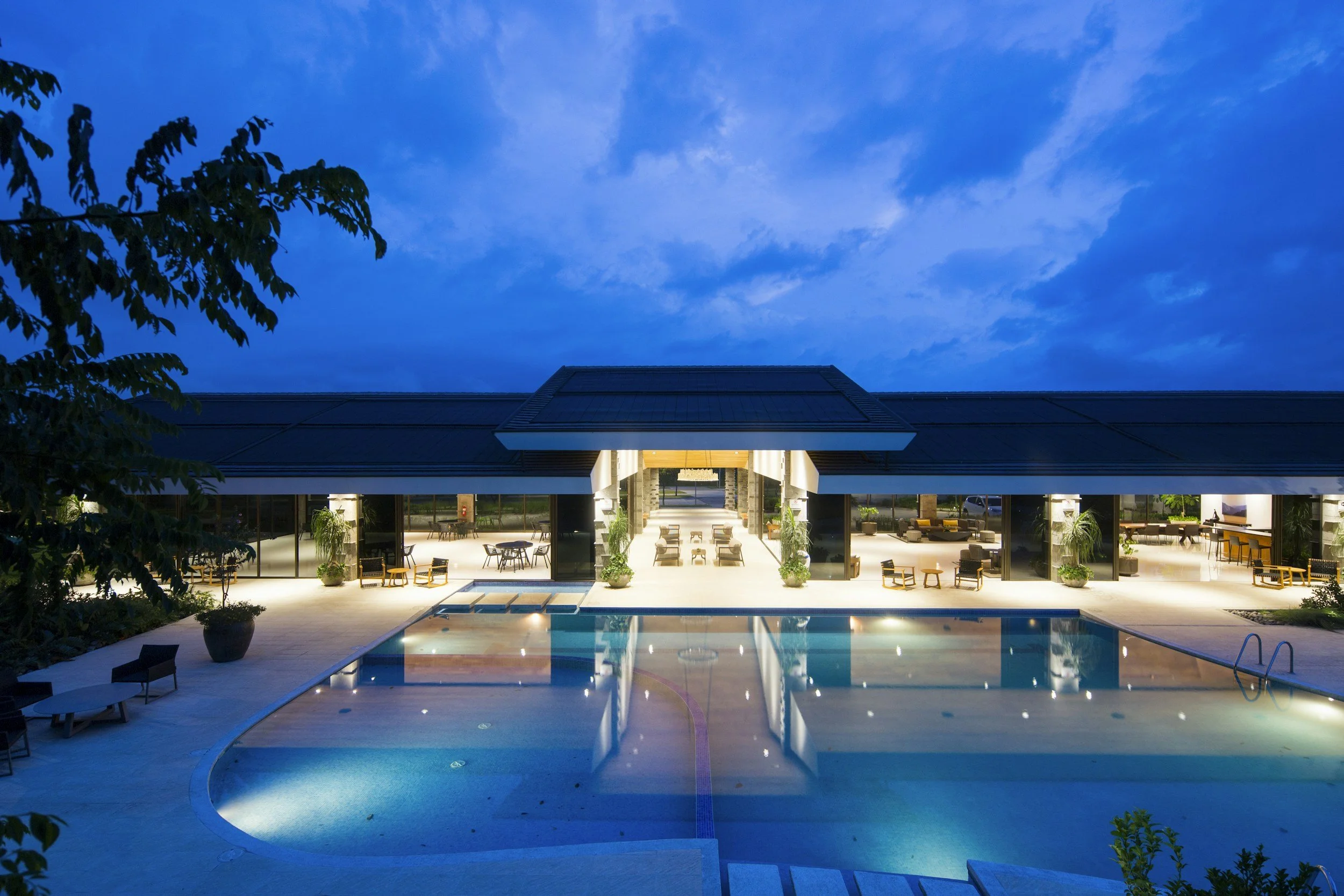
Understanding why certain modern luxury hotels evoke this response requires looking beyond design quality and examining how human psychology, space, and experience interact.
1. Overemphasis On Visual Perfection
Contemporary hospitality increasingly prioritises visual spectacle.
Spaces are designed to photograph beautifully from every angle, often optimised for digital presentation rather than prolonged human occupation. While visually arresting, excessively polished environments can feel curated to the point of sterility.
Perfection, paradoxically, may reduce emotional warmth.
2. Homogenisation Of Global Luxury Design
Luxury design language has become strikingly uniform.
Similar palettes, materials, lighting moods, and spatial compositions appear across cities and continents. While consistency signals refinement, repetition can erode distinctiveness. Guests may struggle to sense a meaningful connection between property and location.
Familiarity dilutes memorability.
3. Absence Of Local Narrative And Identity
Atmosphere is often rooted in contextual authenticity.
Hotels that weakly integrate local culture, history, or environmental character may feel detached from their surroundings. Without narrative anchors, even exceptional design risks feeling interchangeable.
Place shapes emotional resonance.
4. Spaces Designed For Impression Rather Than Use
Some environments privilege appearance over behaviour.
Grand lobbies, expansive lounges, and statement areas may prioritise visual drama while offering limited functional intimacy. Guests subconsciously detect when spaces are designed to be admired rather than inhabited.
Usability influences emotional comfort.
5. Service Interactions Lacking Individuality
Hospitality remains fundamentally human.
Highly standardised service scripts, while efficient, may reduce perceived authenticity. Interactions that feel procedural rather than personal weaken emotional connection, regardless of architectural brilliance.
Human warmth animates physical space.
6. Scale And Density Effects On Atmosphere
Large properties introduce unique psychological dynamics.
Expansive layouts, high guest turnover, and constant movement may generate environments resembling transient hubs rather than intimate retreats. Smaller properties often achieve stronger identity through spatial containment and familiarity.
Scale alters perception.
7. Emotional Memory And Environmental Psychology
Atmosphere is not purely visual.
Sound, light behaviour, spatial proportions, and social dynamics subtly shape emotional response. Environments that optimise aesthetics while neglecting sensory balance may unintentionally feel impersonal.
Experience extends beyond surfaces.
8. The Difference Between Luxury And Character
Luxury and character do not always coincide.
A hotel may deliver exceptional finishes, flawless detailing, and architectural precision while lacking the intangible qualities associated with personality or emotional texture. Character often emerges from imperfection, narrative, and lived experience rather than design alone.
Authenticity resists formula.
Why The Perception Of Soullessness Persists
Guests rarely respond only to material quality.
They respond to atmosphere, identity, and emotional signals embedded within space. When design, service, and context align, hotels feel immersive and memorable. When alignment weakens, environments may feel visually extraordinary yet emotionally neutral.
Soul, in hospitality, is experiential rather than decorative.
A Practical Perspective On Modern Luxury Hospitality
Design excellence remains vital.
Yet enduring guest attachment frequently arises from subtler variables. Authentic service culture, contextual sensitivity, sensory balance, and narrative coherence often shape perception more powerfully than visual drama alone.
The most compelling hotels rarely rely on spectacle.
They cultivate presence.
Sources and References
Journal of Hospitality and Tourism Research guest experience studies
Cornell University School of Hotel Administration hospitality psychology research
Deloitte travel and hospitality industry insights
McKinsey consumer perception and experience analysis
World Travel and Tourism Council hospitality trends research
If you are interested in complimentary advice, you can contact James https://jamesnightingall.com/contact