
Why Ultra Luxury Guests Avoid Large Resorts
Expansive grounds, dramatic arrival sequences, multiple dining venues, and extensive leisure infrastructure traditionally conveyed prestige and abundance. Yet within the highest spending tiers of the market, a noticeable behavioural divergence has emerged. Many ultra luxury travellers increasingly favour smaller, lower density properties or private accommodations over large scale resorts.
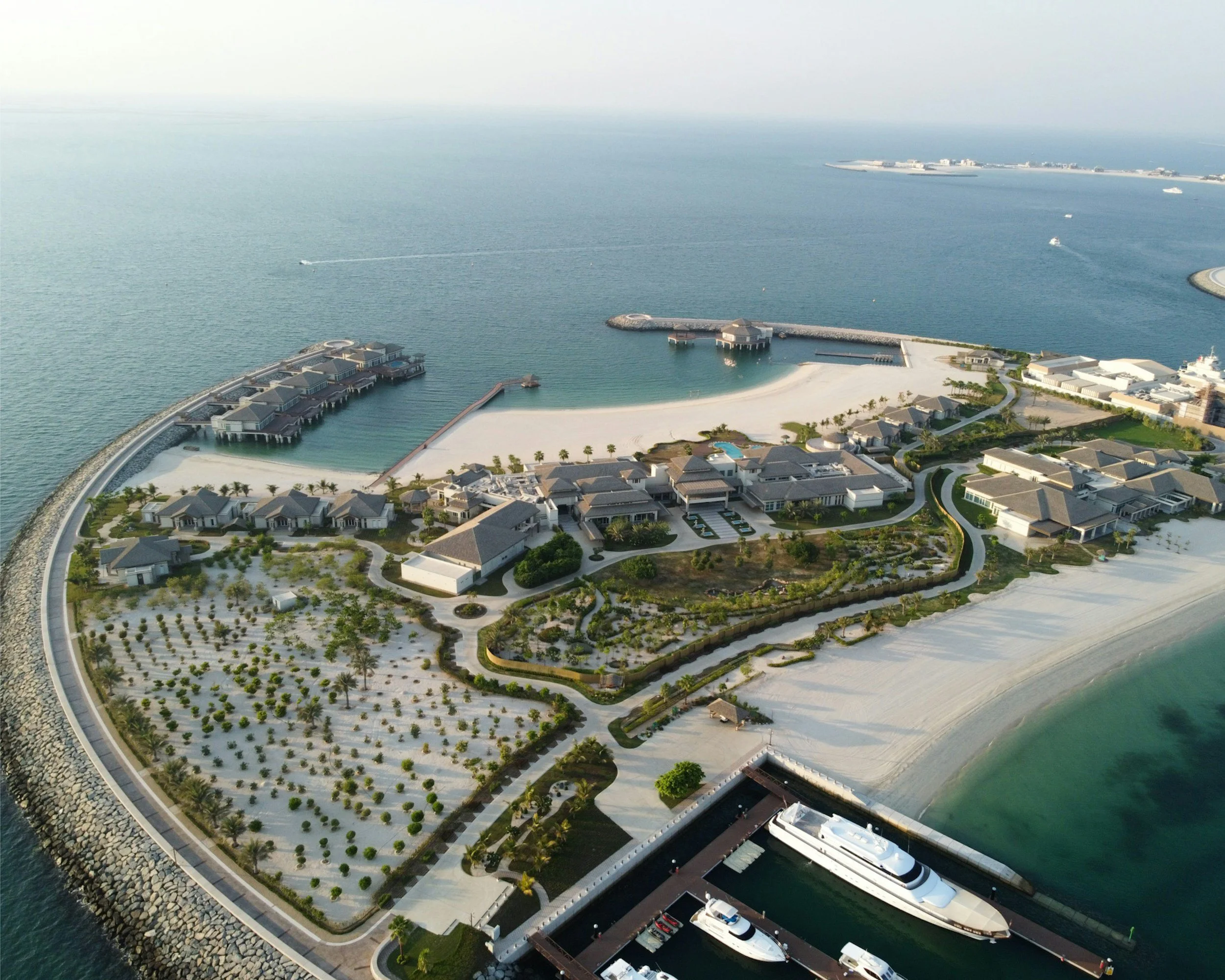
This preference shift is rooted not in cost sensitivity or amenity limitations, but in evolving definitions of comfort, privacy, and experiential control.
1. Privacy Dilution In High Density Environments
Scale inevitably alters exposure dynamics.
Large resorts concentrate substantial guest populations within shared ecosystems. Lobbies, pools, restaurants, and circulation areas introduce persistent visibility and interaction. For ultra high net worth travellers, reduced anonymity often conflicts with expectations of discretion.
Density reshapes perceived exclusivity.
2. Environmental Noise And Sensory Load
Guest volume influences acoustic conditions.
Even refined resorts generate ambient activity through movement, service operations, events, and communal usage patterns. Continuous low level noise and visual stimulation may undermine the psychological calm many travellers seek.
Silence frequently functions as a luxury asset.
3. Institutional Versus Residential Experience Psychology
Large resorts often operate with complex organisational rhythms.
While operationally efficient, such environments may feel system driven rather than personal. Smaller properties and private residences more closely replicate ownership style comfort dynamics, enhancing emotional ease.
Scale affects psychological perception.
4. Reduced Control Over Spatial Experience
Extensive properties introduce structural constraints.
Shared facilities, reservation protocols, and communal infrastructure reduce guest autonomy relative to private accommodations. Ultra luxury travellers often prioritise control over schedules, environments, and interaction levels.
Control reinforces comfort.
5. Visibility And Social Exposure Considerations
High profile guests frequently manage visibility risk.
Large resorts, by nature, increase incidental observation from other guests and staff. Smaller environments or exclusive use settings mitigate unwanted attention.
Discretion depends on environment design.
6. Service Personalisation Limitations At Scale
Personalisation becomes more complex as inventory expands.
High guest turnover and operational standardisation may limit the depth of individual familiarity achievable within large resorts. Lower density properties often facilitate more nuanced, anticipatory service.
Individualisation thrives in contained ecosystems.
7. Preference For Low Friction Experiences
Ultra luxury travellers frequently seek frictionless environments.
Crowded amenities, wait times, and communal scheduling dynamics introduce minor but cumulative inconveniences. Smaller or private settings reduce such variables.
Ease influences satisfaction.
8. Changing Definitions Of Luxury Hospitality
Luxury perception continues to evolve.
Visible abundance and architectural drama increasingly coexist with subtler priorities. Privacy, calm, autonomy, and spatial exclusivity now exert disproportionate influence within ultra premium segments.
Luxury becomes experiential rather than demonstrative.
Why Large Resorts Continue To Appeal To Other Segments
Large resorts retain undeniable advantages.
Amenity diversity, social vibrancy, and operational depth attract many travellers. Preferences vary by travel objectives, personality, and trip context.
Hospitality remains situational.
A Practical Perspective On Ultra Luxury Preferences
Avoidance of large resorts reflects rational behavioural alignment rather than rejection of scale itself.
For many ultra luxury guests, the most valued attributes increasingly centre on privacy preservation, environmental calm, autonomy, and psychological comfort. Smaller properties, private villas, and residence style accommodations often deliver these qualities more naturally.
In the highest tiers of travel, exclusivity frequently correlates with reduction rather than expansion.
Sources and References
World Travel and Tourism Council luxury travel insights
McKinsey consumer behaviour and experience studies
Deloitte hospitality and travel industry analysis
Cornell University School of Hotel Administration guest psychology research
Journal of Hospitality and Tourism Research perception studies
If you are interested in complimentary advice, you can contact James https://jamesnightingall.com/contact