
The Shift From Ownership To Experience In Luxury Consumption
Prestige was communicated through tangible assets, visible accumulation, and enduring symbols of wealth. Residences, vehicles, couture, and collectibles functioned not merely as functional goods but as markers of identity and status. Yet across high net worth segments, a profound behavioural recalibration is reshaping this paradigm.
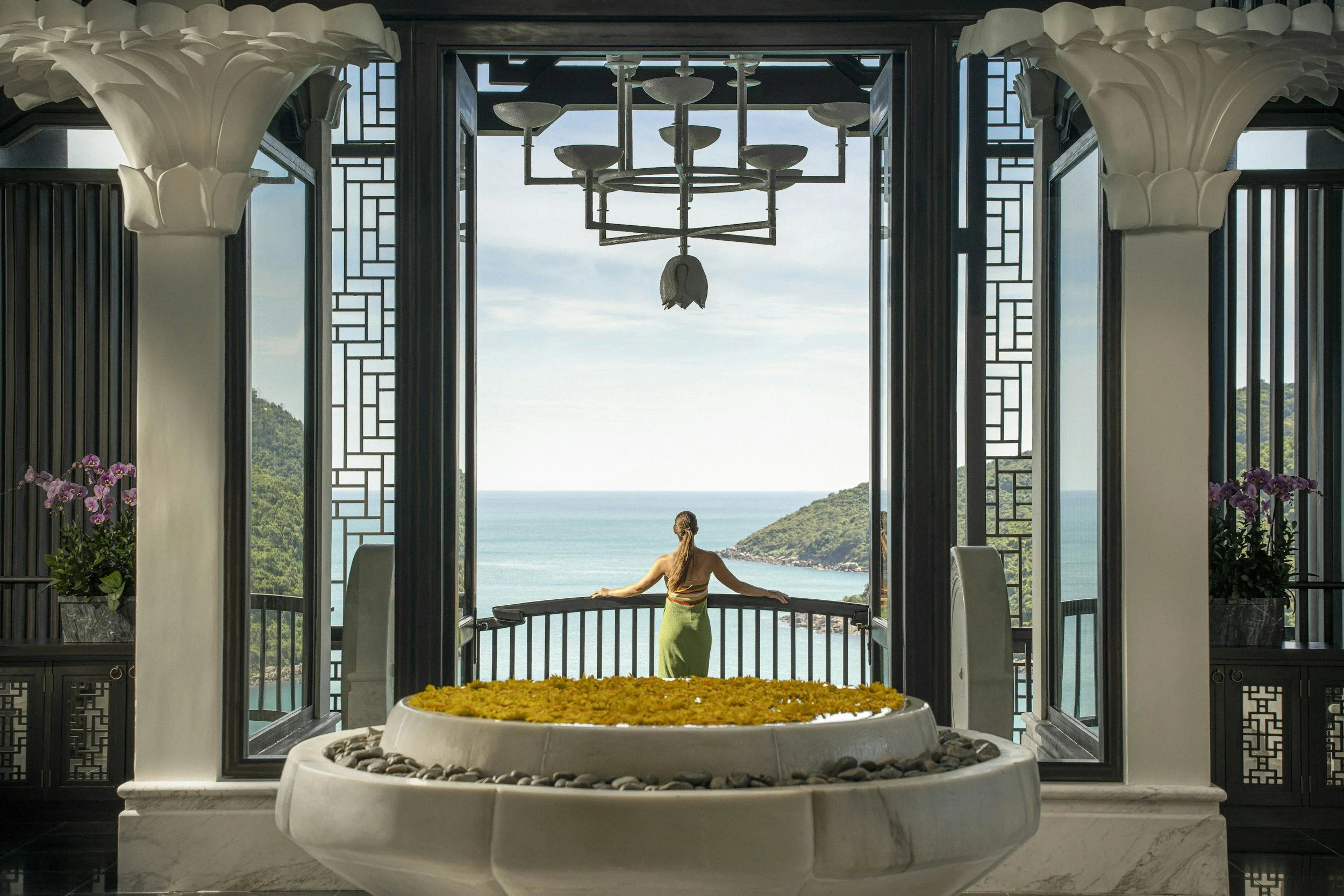
Experience is increasingly displacing ownership as the dominant expression of luxury.
This transformation reflects structural changes in psychology, economics, and cultural perception rather than a temporary preference shift.
1. Redefining The Meaning Of Status
Traditional luxury emphasised visible possession.
Modern prestige frequently derives from access, rarity of experience, and narrative distinction. Private travel, bespoke itineraries, and exclusive events increasingly signal social positioning more subtly than material display.
Status migrates from object to moment.
2. Psychological Saturation Of Material Goods
Affluent consumers often reach diminishing emotional returns from acquisition.
Beyond a threshold, additional possessions deliver limited incremental satisfaction. Experiences, by contrast, generate novelty, memory formation, and emotional intensity resistant to habituation.
Novelty sustains perceived value.
3. Mobility And Flexibility Preferences
Ownership introduces structural commitments.
Maintenance obligations, depreciation dynamics, and usage constraints contrast with the fluidity offered by experience centric consumption. Access based luxury models enable variety without long term attachment.
Flexibility reshapes consumption logic.
4. Memory Formation And Experiential Permanence
Experiences possess unique psychological durability.
While material goods may normalise into background familiarity, memorable journeys and rare events often retain emotional salience over extended periods. Perceived permanence increasingly resides in memory rather than possession.
Emotion outlasts utility.
5. Minimalism Within Affluence
Wealth accumulation no longer uniformly equates to visible abundance.
Many high net worth individuals favour reduction of material complexity while intensifying experiential quality. Luxury becomes associated with freedom from excess rather than accumulation of objects.
Absence acquires prestige value.
6. The Economics Of Depreciating Assets
Numerous traditional luxury goods exhibit predictable depreciation patterns.
Experiences, while transient, do not impose residual value erosion or storage considerations. Consumption becomes event based rather than asset based.
Value perception evolves accordingly.
7. Privacy And Discretion Dynamics
Experience driven luxury frequently offers greater invisibility.
Private travel, exclusive use properties, and bespoke services enable consumption without conspicuous display. Discretion increasingly functions as a luxury attribute.
Visibility loses primacy.
8. Cultural And Generational Reorientation
Younger affluent cohorts demonstrate distinct consumption psychology.
Experiential richness, personal narrative, and lifestyle fluidity often outweigh attachment to static assets. Social value increasingly attaches to lived experience rather than accumulated goods.
Cultural values reshape market structures.
Why Ownership Remains Relevant Yet Recontextualised
Ownership has not vanished from luxury ecosystems.
Certain assets continue to deliver utility, stability, and symbolic significance. Yet possession increasingly coexists with experience oriented priorities rather than defining them.
Luxury becomes multidimensional rather than possession centric.
A Practical Perspective On Evolving Luxury Behaviour
The shift from ownership to experience reflects rational adaptation to psychological, economic, and social variables.
Affluent consumers increasingly allocate resources toward moments that maximise emotional return, cognitive stimulation, and narrative distinction. Experiences offer variability, memorability, and flexibility unmatched by many material assets.
In modern luxury consumption, value is frequently measured not by what is held, but by what is lived.
Sources and References
McKinsey consumer behaviour and luxury market studies
Deloitte global luxury consumption insights
World Travel and Tourism Council experiential spending research
Journal of Consumer Research experience economy findings
Harvard Business Review luxury and behavioural economics analysis
If you are interested in complimentary advice, you can contact James https://jamesnightingall.com/contact