
The Rise of Invitation-Only Travel Experiences
Yet exclusivity itself is being redefined. Where prestige once centred on visible opulence and globally recognisable brands, the highest tiers of the market increasingly gravitate toward experiences governed by access rather than price alone.
Invitation only travel represents one of the clearest expressions of this evolution.
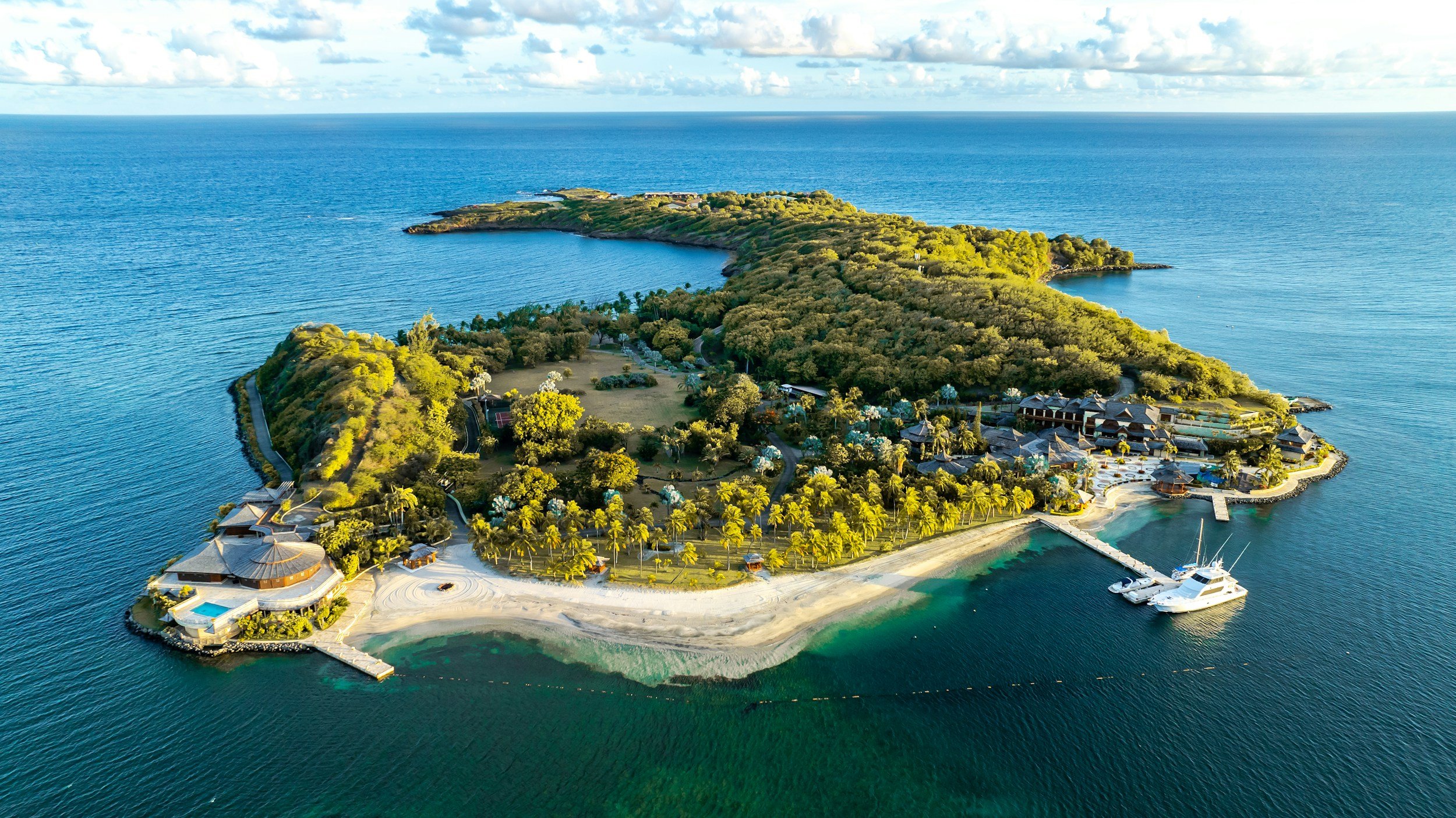
These experiences operate within controlled participation frameworks, often unavailable through conventional booking channels. Their appeal lies not merely in rarity, but in the psychological and social dynamics that access restriction creates.
1. Access As The New Currency Of Prestige
Traditional luxury emphasised financial capability.
Modern ultra luxury frequently signals distinction through access privilege. Experiences unattainable through open markets acquire disproportionate desirability, independent of material extravagance.
Scarcity of entry amplifies perceived value.
2. Privacy And Participant Control Dynamics
Invitation based models inherently limit guest volume.
Reduced participation enhances privacy, minimises observational exposure, and cultivates environments defined by discretion. For many affluent travellers, controlled social density outweighs visible grandeur.
Exclusivity becomes experiential rather than decorative.
3. Psychological Effects Of Restricted Availability
Behavioural research consistently highlights the power of limited access.
Experiences framed as unavailable to the general market often generate stronger emotional appeal. Restriction intensifies perceived uniqueness and personal significance.
Inaccessibility enhances desirability.
4. Curated Social Environments
Invitation only travel frequently shapes participant composition.
Shared experiences among similarly profiled individuals create distinct social atmospheres. Compatibility of expectations, behaviour, and lifestyle norms influences comfort and satisfaction.
Environment extends beyond physical setting.
5. Shift Away From Mass Affluence Signalling
Visible luxury increasingly competes with subtler forms of distinction.
Ultra high net worth travellers often prefer experiences detached from mainstream visibility. Invitation structures provide exclusivity without overt exhibition.
Discretion becomes integral to prestige.
6. Experiential Differentiation In A Saturated Market
Luxury hospitality has achieved unprecedented global sophistication.
As material standards converge, differentiation increasingly depends on uniqueness of experience rather than property features alone. Restricted access models deliver structural distinction resistant to replication.
Novelty sustains competitive advantage.
7. Security And Confidentiality Considerations
Controlled participation frameworks also serve practical functions.
Limiting access reduces unpredictability, enhances security management, and reinforces confidentiality. These attributes carry particular importance within high profile traveller segments.
Protection integrates with experience design.
8. Technology Enabling Invisible Exclusivity
Digital infrastructure facilitates discreet invitation ecosystems.
Private networks, membership platforms, and concierge driven systems allow experiences to operate beyond traditional distribution channels. Exclusivity becomes scalable without sacrificing invisibility.
Infrastructure evolves with demand.
Why Invitation Only Travel Continues To Expand
Affluent traveller psychology increasingly prioritises privacy, control, and distinctiveness.
Experiences defined by restricted access satisfy these priorities more effectively than purely price driven luxury models. The appeal lies not solely in rarity, but in the environments and emotional responses that exclusivity structures produce.
Prestige migrates from ownership to participation.
A Practical Perspective On The Future Of Ultra Luxury Travel
Invitation only travel does not replace traditional luxury hospitality.
It reframes it.
As high end travel markets mature, exclusivity increasingly derives from access architecture, participant control, and experiential uniqueness. The most coveted journeys are often those that remain structurally invisible to the broader market.
In modern ultra luxury, what cannot be booked often becomes most desired.
Sources and References
McKinsey luxury consumer behaviour analysis
Deloitte travel and hospitality industry insights
World Travel and Tourism Council luxury trends research
Journal of Consumer Research scarcity and desirability studies
Harvard Business Review status and access economics
If you are interested in complimentary advice, you can contact James https://jamesnightingall.com/contact