
The Future of Ultra-Luxury Hospitality
For decades, prestige within high end travel was communicated through visible extravagance. Grand architecture, opulent materials, and theatrical service environments defined the traditional markers of excellence. Yet the preferences of today’s most discerning travellers reveal a notable shift.
Luxury is becoming quieter.
More private.
More psychologically attuned.
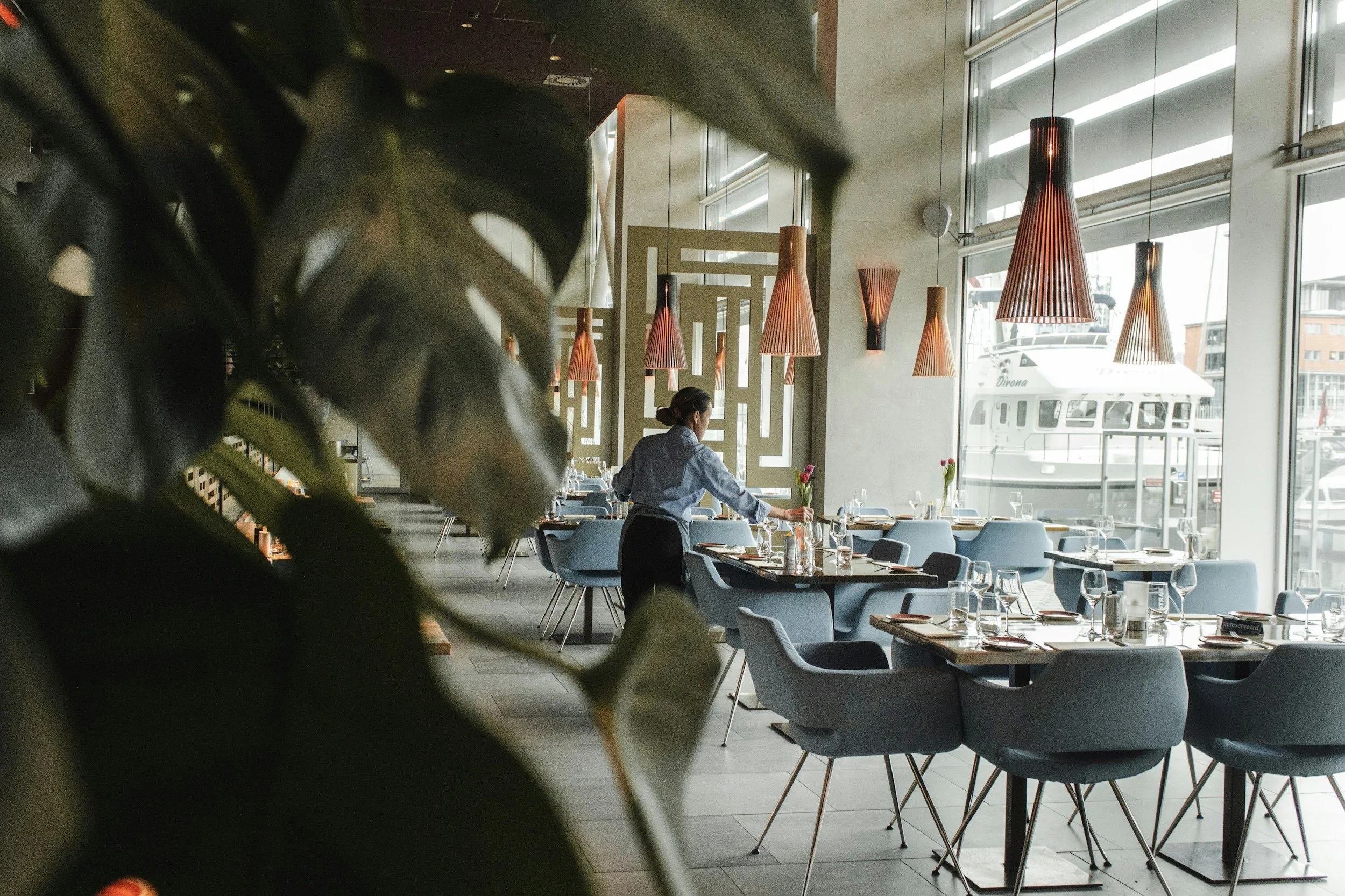
The future of ultra luxury hospitality will likely be shaped less by spectacle and more by how environments make guests feel, function, and move.
1. Privacy As The Dominant Design Principle
Privacy is rapidly evolving into the primary luxury currency.
Future properties increasingly prioritise spatial separation, controlled access, and environments that minimise guest visibility. Seclusion, once marketed as a premium feature, is becoming foundational to the ultra luxury proposition.
Exclusivity is defined by absence of intrusion.
2. The Rise Of Residence Style Hospitality
Hospitality and residential living continue to converge.
Private residence hotels, villa based resorts, and hybrid accommodation models reflect traveller demand for autonomy and familiarity. Guests increasingly favour spaces that resemble private homes while retaining service sophistication.
Comfort is reinterpreted through ownership psychology.
3. Hyper Personalisation Through Behavioural Insight
Personalisation is shifting from reactive to predictive.
Rather than responding to requests, future hospitality models increasingly anticipate preferences through behavioural patterns and guest history. The objective is frictionless experience design rather than visible service performance.
Invisible adaptation defines refinement.
4. Reduced Emphasis On Formality And Ritual
Ultra luxury environments are becoming less ceremonious.
Rigid service protocols and overt displays of attentiveness are gradually yielding to more intuitive, unobtrusive interaction styles. Guests often prefer ease and natural flow over theatrical hospitality rituals.
Effortlessness replaces performance.
5. Architecture Of Calm And Sensory Balance
Future luxury design increasingly emphasises psychological comfort.
Acoustic management, natural light behaviour, spatial proportion, and material tactility influence guest wellbeing more deeply than decorative complexity. Hospitality environments are being evaluated as emotional ecosystems rather than visual compositions.
Atmosphere becomes a strategic asset.
6. Technology As Invisible Infrastructure
Technological integration is becoming increasingly discreet.
Guests value convenience without visible technological dominance. Automation, personalisation systems, and mobility enhancements operate silently, supporting experience without disrupting ambience.
Technology recedes as experience advances.
7. Security And Discretion As Experience Components
Security considerations increasingly intersect with comfort.
Controlled access, confidentiality culture, and discreet operational frameworks form essential components of future ultra luxury environments. Safety is experienced psychologically rather than procedurally.
Protection integrates with relaxation.
8. Individualisation Over Brand Standardisation
Prestige is gradually decoupling from uniform brand identity.
Travellers increasingly seek distinctive properties offering unique environmental and experiential character. Authenticity, narrative depth, and contextual sensitivity gain importance relative to global design homogeneity.
Uniqueness drives memorability.
Why Ultra Luxury Hospitality Is Evolving
Affluent travellers are not merely seeking accommodation.
They are seeking environments aligned with autonomy, calm, discretion, and emotional ease. The future of the sector reflects adaptation to these psychological and behavioural priorities rather than aesthetic trends alone.
Luxury is becoming experiential rather than declarative.
A Practical Perspective On The Next Era Of Hospitality
The most successful ultra luxury properties of the future may not be those that appear most extravagant.
They may be those that feel most natural, effortless, and privately attuned to guest behaviour. As traveller sophistication increases, hospitality excellence increasingly depends on invisible systems, environmental psychology, and contextual intelligence.
In the highest tiers of travel, subtlety often becomes the ultimate expression of luxury.
Sources and References
World Travel and Tourism Council hospitality trends research
McKinsey consumer behaviour and luxury experience studies
Deloitte travel and hospitality industry insights
Cornell University School of Hotel Administration future of hospitality analysis
Journal of Hospitality and Tourism Research guest experience findings
If you are interested in complimentary advice, you can contact James https://jamesnightingall.com/contact