
Why Luxury Travel Is Becoming Less Visible
Prestige travel was historically defined by conspicuous signals. Iconic hotels, recognisable destinations, and highly visible markers of affluence functioned as social currency. Yet within the uppermost tiers of the market, a subtle but decisive shift is underway.
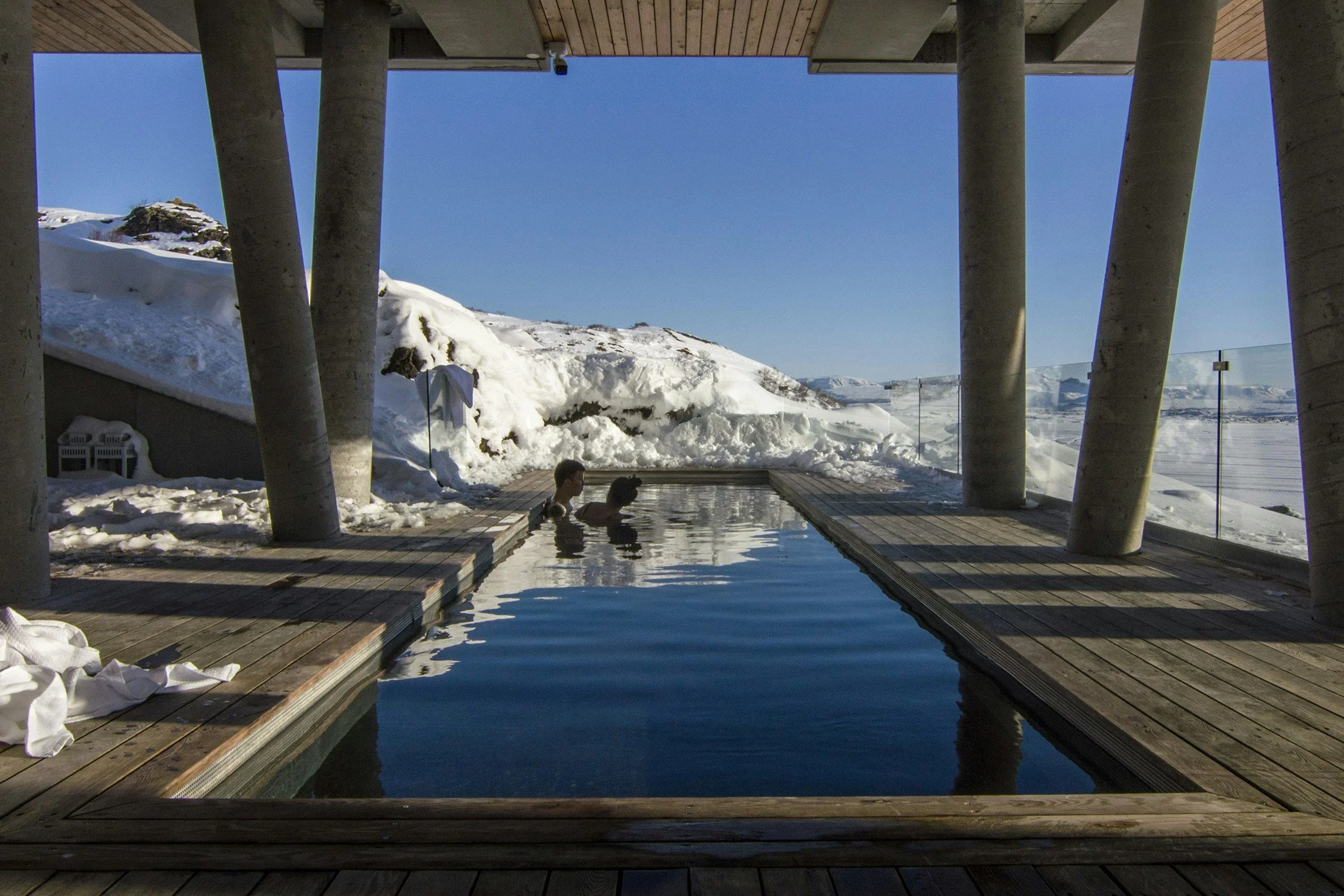
Luxury travel is becoming increasingly discreet.
This transformation reflects evolving definitions of status, privacy, and experiential value rather than a reduction in spending or appetite for refinement.
1. Privacy Replacing Display As A Status Signal
Visibility once reinforced prestige.
For many high net worth travellers, invisibility now performs a similar function. Private villas, residence style hotels, and low density environments communicate exclusivity without overt exhibition.
Absence of exposure becomes a luxury attribute.
2. Security And Discretion Sensitivities
Affluent travellers increasingly manage visibility risk.
High profile individuals and ultra high net worth families frequently prioritise environments that minimise unsolicited attention. Discretion functions as both psychological comfort and practical safeguard.
Luxury intersects with privacy preservation.
3. Fatigue From Performative Consumption
Conspicuous consumption carries cognitive and social implications.
Constant signalling may conflict with preferences for ease, relaxation, and autonomy. Many travellers now favour experiences detached from public observation or social performance dynamics.
Comfort displaces exhibition.
4. Experiential Value Surpassing Symbolic Recognition
Prestige no longer depends exclusively on recognisable brands.
Highly informed travellers increasingly evaluate destinations and properties through experiential quality rather than name prominence. Lesser known locations may deliver superior privacy, calm, and environmental distinction.
Recognition yields to experience.
5. Rise Of Exclusive Use And Controlled Environments
Ultra luxury travel increasingly favours controlled ecosystems.
Private residences, chartered journeys, and invitation based experiences reduce exposure to crowds and observational density. These structures inherently limit public visibility.
Control reshapes consumption patterns.
6. Social Media And Counter Visibility Behaviour
Digital visibility has altered luxury signalling dynamics.
While some travellers broadcast experiences, others intentionally avoid documentation to preserve privacy and exclusivity. Discretion itself becomes a form of status expression.
Silence acquires symbolic value.
7. Changing Perceptions Of Prestige
Modern affluence often favours understatement.
Excessively visible luxury may be perceived as conventional rather than exceptional. Rarity, access, and privacy increasingly function as more refined indicators of distinction.
Prestige evolves toward subtlety.
8. Psychological Comfort Of Invisible Luxury
True luxury frequently minimises friction.
Reduced attention, controlled interaction, and unobtrusive environments enhance psychological ease. Discreet travel structures align more closely with these comfort priorities.
Experience quality governs preference.
Why Luxury Travel Behaviour Continues To Shift
Luxury consumption patterns reflect broader behavioural changes.
Affluent travellers increasingly prioritise autonomy, privacy, and emotional comfort over traditional visibility markers. Discreet experiences satisfy these priorities more effectively than overtly performative environments.
Luxury becomes inward facing rather than outward facing.
A Practical Perspective On Modern Prestige Travel
The reduced visibility of luxury travel does not indicate diminished exclusivity.
It signals refinement.
For sophisticated travellers, the most valuable experiences often occur beyond public spectacle. Privacy, calm, and control increasingly define the highest tiers of hospitality and travel design.
In contemporary luxury travel, what remains unseen frequently carries the greatest value.
Sources and References
McKinsey luxury consumer behaviour research
Deloitte travel and hospitality industry insights
World Travel and Tourism Council travel trends analysis
Journal of Consumer Research status and consumption studies
Harvard Business Review luxury and signalling dynamics
If you are interested in complimentary advice, you can contact James https://jamesnightingall.com/contact